






Hickory Tussock Moth
Lophocampa caryae
The Hickory Tussock Moth is a fuzzy, white moth with black spots. Its caterpillars are bright and hairy, making them look like little creatures from a fairy tale!
Lebensraum: Forests
The Hickory Tussock Moth is typically pale yellow to tan with irregular brownish bands and spots on its wings. Its striking caterpillar is fuzzy white with dense black tufts on its back and long black hairs at both ends, making it visually distinct from other caterpillars.
Kategorie
InsektenSeltenheit
Common
Gefahr
2/5 · Gering
Snaps
Mach den ersten Snap!
Adult Hickory Tussock Moths do not eat, living only to lay eggs.
Caterpillars have six pairs of orange tufts on their backs, like tiny fuzzy pom-poms!
Caterpillars use spiky hairs to decorate cocoons for extra defense!
If disturbed, the caterpillar curls into a ball, exposing stinging hairs to scare foes.
Hickory Tussock Moth caterpillars can cause skin rashes because their fuzzy hairs contain irritating toxins that help deter predators.
The larva's contrasting white, black, and orange tufts act as a warning signal that helps predators recognize its toxicity.
Hickory Tussock Moth larvae spin a strong silk cocoon because they produce durable silk threads that protect them during pupation.
Young Hickory Tussock Moths munch on tree leaves to grow big and strong, but adults don't eat!
Altersunterschiede: Caterpillars are voracious herbivores, while adult moths do not feed, relying on stored energy.

Carya ovata
Caterpillars feed on the leaves of this tree.
Juglans nigra
A common host plant for the caterpillar larvae.
Cyanocitta cristata
Birds sometimes prey on these moths or their larvae.
Cotesia caryae
This tiny wasp lays its eggs inside the moth's caterpillar.
Pelzig beschreibt Tiere, die eine dichte Schicht aus weichen Haaren oder Fell besitzen.
Mit Flecken oder farblich abgesetzten Bereichen gezeichnet.
Farbenfroh beschreibt Organismen oder Objekte, die eine große Vielfalt an leuchtenden und deutlich erkennbaren Farben aufweisen.
Dieses Merkmal kennzeichnet Lebewesen, deren Ernährung vollständig oder hauptsächlich aus pflanzlichem Material besteht.

Waldlebensräume sind terrestrische Lebensräume, die von dichtem Baumbestand dominiert werden und eine große Vielfalt an Pflanzen- und Tierarten beherbergen.

Nachtaktive Tiere sind hauptsächlich in den Nachtstunden aktiv und ruhen oder schlafen normalerweise tagsüber.
Gefahr
2/5 · Gering
Don't touch the caterpillars, as their hairs can cause skin irritation.
40-50 mm
15-25 mm
5-10 Tage
Young Hickory Tussock Moths munch on tree leaves to grow big and strong, but adults don't eat!
Forests
Foraging
6
Zoome hinein, um Cluster aufzulösen und zu sehen, wo dieses Objekt fotografiert wurde.
Neueste Snaps erscheinen hier, wenn neue Beobachtungen hinzukommen.

Pennsylvania, US
Hier kann man sehen Orange Hawkweed und Hickory Tussock Moth.
Führer anzeigen →

Michigan, US
Hier kann man sehen Large Maple Spanworm Moth und Truthuhn.
Führer anzeigen →
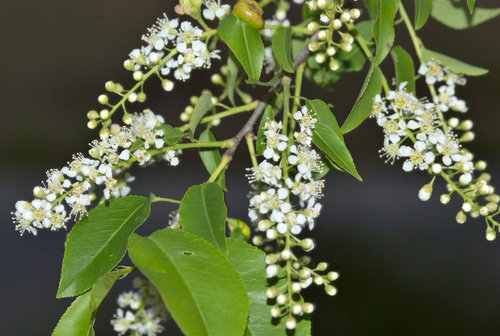
New York, US
Hier kann man sehen Späte Traubenkirsche.
Führer anzeigen →

Louisiana, US
Hier kann man sehen Sharp-Lobed Hepatica und Purple-Flowered Raspberry.
Führer anzeigen →











_mating_2.jpg&width=800)