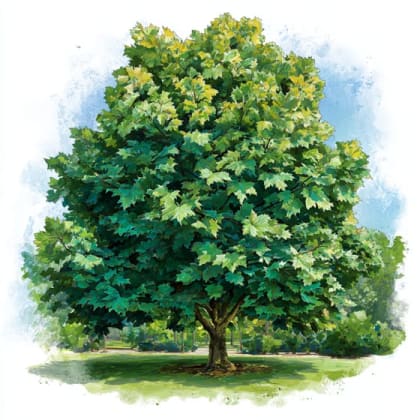



Honey Locust
Gleditsia triacanthos
The Honey Locust tree has thorns and sweet pods that animals love to eat. Its leaves turn a beautiful golden color in the fall, making it a lovely sight in parks and gardens.
Lebensraum: Parks, Gardens
The Honey Locust has sharp, often branched thorns on its trunk and branches, making it visually distinct. Its delicate, fern-like leaves turn golden in autumn, and it produces long, flattened, purplish-brown seed pods.
Kategorie
BäumeSeltenheit
Common
Gefahr
2/5 · Gering
Snaps
Mach den ersten Snap!
Ancient animals like mammoths might have helped spread Honey Locust seeds!
Early settlers used Honey Locust thorns as needles and nails!
Its wood is very hard, once used for fence posts and furniture!
Some Honey Locust varieties are thornless, perfect for parks!
Honey Locust has fierce, sharp thorns that help it defend against hungry plant-eaters trying to munch on its tender branches.
Honey Locust produces sweet, edible pods that attract animals, helping spread its seeds far and wide to grow new trees.
Honey Locust has incredibly tough roots that help it survive in dry soil and even polluted city environments.
Dasineura gleditschiae
larvae cause galls on leaves
Procyon lotor
consumes sweet seed pods, aiding dispersal
Quercus alba
often grows alongside in native woodlands
Colaptes auratus
often nests in cavities or branches
Laubabwerfende Pflanzen werfen regelmäßig all ihre Blätter ab, typischerweise im Herbst oder in Trockenzeiten.
Bezieht sich auf Pflanzen, deren Stängel zur Verteidigung mit scharfen, spitzen Auswüchsen bedeckt sind.
Fruchttragende Pflanzen produzieren Früchte, also die reifen Fruchtknoten von Blütenpflanzen, die Samen enthalten.
Herbstfärbung bezeichnet den jahreszeitlichen Wechsel der Blattpigmentierung, der vor allem bei Laubpflanzen leuchtende Farbtöne hervorbringt.

Dieses Lebensraummerkmal weist auf Arten hin, die in städtischen und vorstädtischen Umgebungen mit Menschen zusammenleben können und von Menschen geschaffene Strukturen sowie Grünflächen nutzen.
Gefahr
2/5 · Gering
Watch out for the thorns on the Honey Locust tree and avoid touching them.
15-30 m
10-15 m
Ja
60-90 cm
80-120 Jahre
Parks, Gardens
Legume pod
Schnell
Zoome hinein, um Cluster aufzulösen und zu sehen, wo dieses Objekt fotografiert wurde.
Neueste Snaps erscheinen hier, wenn neue Beobachtungen hinzukommen.
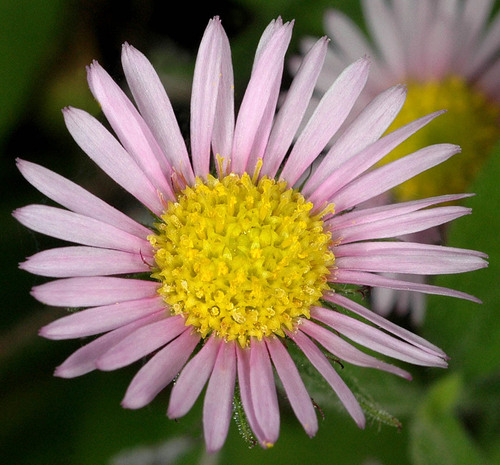
Pennsylvania, US
Hier kann man sehen Fleabanes and Horseweeds und Honey Locust.
Führer anzeigen →
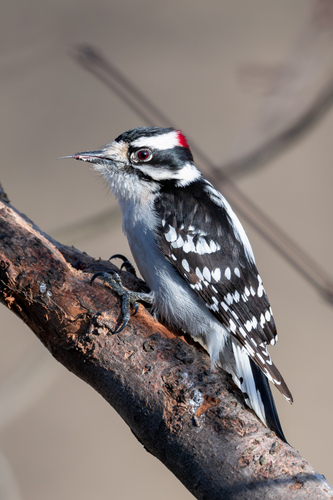
Illinois, US
Hier kann man sehen Dunsenspecht, Wanderdrossel und Amerikanische Krähe.
Führer anzeigen →
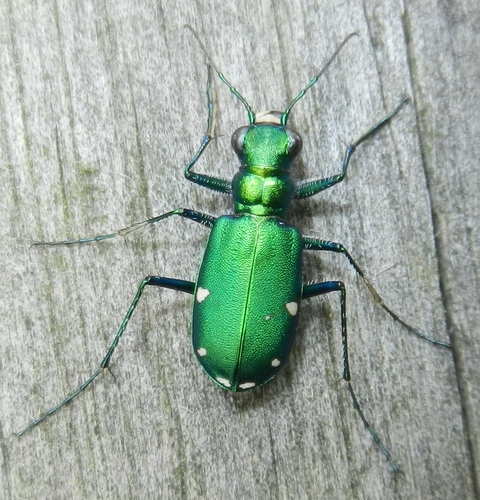
Indiana, US
Hier kann man sehen Six-Spotted Tiger Beetle, Garlic Mustard und Geier.
Führer anzeigen →
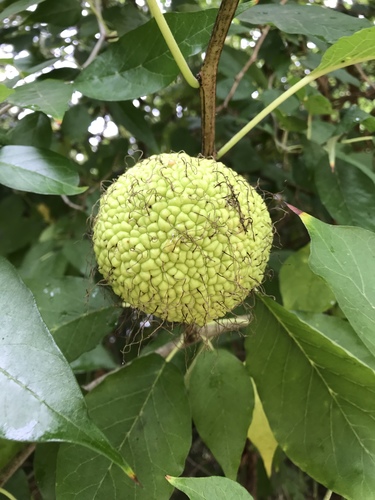
Virginia, US
Hier kann man sehen Osage-Orange, Willow Oak und Japanischer Blumenhartriegel.
Führer anzeigen →

Maryland, US
Hier kann man sehen Bufflehead, Common Goldeneye und Ente.
Führer anzeigen →
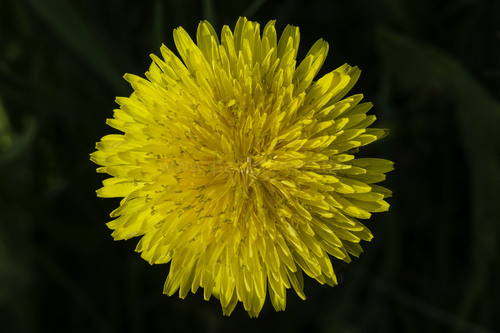
Colorado, US
Hier kann man sehen Common Dandelion, Apfelbaum und Dwarf Mallow.
Führer anzeigen →