Horse Chestnut
Aesculus chinensis Bunge
The Horse Chestnut is a tree with big, spiky seed pods and lovely white flowers. Its seeds are sometimes called conkers!
Lebensraum: Parks and gardens
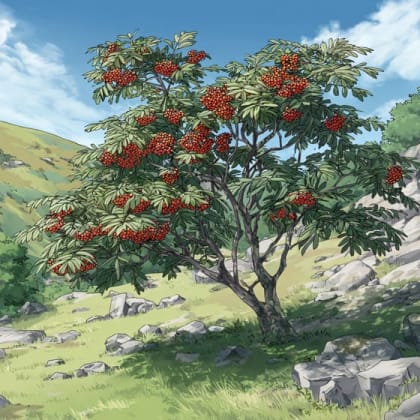
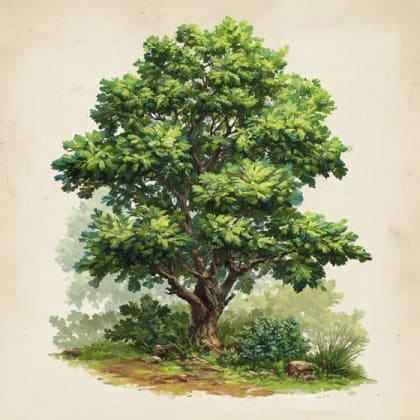
The Horse Chestnut is a stately tree with large, dark green leaves divided into 5-7 leaflets. Its striking white flowers bloom in upright 'candles' often featuring a yellow or red blotch. Distinctive spiny, green fruits ripen to reveal shiny, dark brown seeds called 'conkers'.
Kategorie
BäumeSeltenheit
Common
Gefahr
1/5 · Sehr gering
Snaps
Mach den ersten Snap!
If you look closely at a twig, the leaf scars look exactly like tiny horseshoes!
Its seeds, called 'conkers', look like shiny chestnuts but are actually poisonous if eaten!
Some parts of this tree have been used in traditional medicine for hundreds of years.
This specific type of Horse Chestnut comes all the way from mountains in China!
Horse Chestnut has flower blotches that change color to tell bees when nectar is empty, saving pollinators energy.
Horse Chestnut has tough, spiky cases around its seeds that protect them from hungry animals until they're ready to drop.
Horse Chestnut has huge, palm-shaped leaves that act like giant solar panels, soaking up lots of sunlight for growth.
Bombus terrestris
Visits flowers for nectar and pollen, aiding reproduction.
Callosciurus erythraeus
Collects and buries seeds, sometimes helping new trees grow.
Aphis fabae
Feeds on young leaves and shoots, taking vital nutrients.
Laubabwerfende Pflanzen werfen regelmäßig all ihre Blätter ab, typischerweise im Herbst oder in Trockenzeiten.
Frühlingsblüher bilden ihre Blüten im Frühjahr und kündigen oft das Ende des Winters und den Beginn neuen Wachstums an.
Fruchttragende Pflanzen produzieren Früchte, also die reifen Fruchtknoten von Blütenpflanzen, die Samen enthalten.
Laubbäume sind Bedecktsamer, die sich durch flache, breite Blätter auszeichnen, welche in gemäßigten Klimazonen typischerweise jährlich abgeworfen werden.

Dieses Lebensraummerkmal weist auf Arten hin, die in städtischen und vorstädtischen Umgebungen mit Menschen zusammenleben können und von Menschen geschaffene Strukturen sowie Grünflächen nutzen.
Noch keine Alternativnamen vorhanden.
Gefahr
1/5 · Sehr gering
Do not pick or eat anything you find. Some plants and mushrooms can be harmful.
20-30 m
10-15 m
Nein
50-100 cm
100-200 Jahre
Parks and gardens
Capsule
Mittel
Zoome hinein, um Cluster aufzulösen und zu sehen, wo dieses Objekt fotografiert wurde.
Neueste Snaps erscheinen hier, wenn neue Beobachtungen hinzukommen.

Washington, US
Hier kann man sehen Schneeeule, Biene und Amerikanische Krähe.
Führer anzeigen →
Pennsylvania, US
Hier kann man sehen Wanderdrossel und Kentucky Yellowwood.
Führer anzeigen →
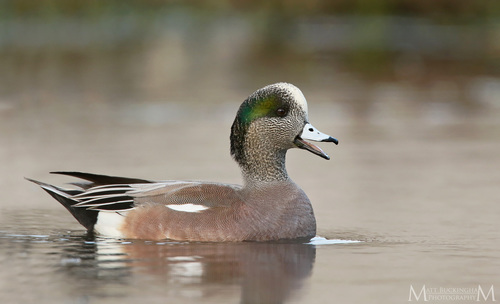
Washington, US
Hier kann man sehen American Wigeon und Madrone Skin Miner.
Führer anzeigen →

Washington, US
Hier kann man sehen Gartenkreuzspinne, Western Redcedar und Fringed Willowherb.
Führer anzeigen →
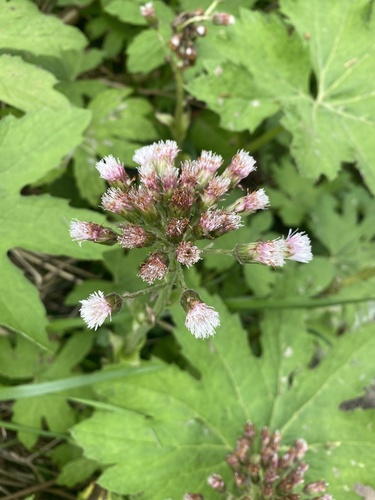
Washington, US
Hier kann man sehen Arctic Butterbur, Red Valerian und American Brooklime.
Führer anzeigen →