






Hydriomena manzanita
Hydriomena manzanita
The Hydriomena manzanita is a beautiful moth that loves to hide among leaves. Its wings have lovely patterns that help it blend in with nature, making it a special little creature to discover.
Lebensraum: Forests
The Hydriomena manzanita has mottled grey, brown, and reddish-brown wings, creating a camouflaged appearance. Its forewings feature wavy crosslines and a small discal spot. This coloration helps it blend seamlessly with the bark and foliage of its namesake Manzanita shrubs.
Kategorie
InsektenSeltenheit
Common
Gefahr
1/5 · Sehr gering
Snaps
Mach den ersten Snap!
Adult Manzanita Carpet moths often fly in the chilly days of late winter or early spring!
Its caterpillars are masters of disguise, often looking exactly like small twigs!
Some moths, like the Manzanita Carpet, can 'hear' the clicks of hunting bats!
The moth gets its name from Manzanita plants, whose name means 'little apple' in Spanish!
Hydriomena manzanita can blend perfectly with tree bark because of its mottled wing patterns, helping them hide from hungry birds.
Hydriomena manzanita larvae can eat the tough leaves of Manzanita shrubs because of specialized digestive systems, helping them thrive where others can't.
Hydriomena manzanita has specialized eyes that help them see in low light, enabling them to fly and find mates after sunset.
Caterpillars munch on tough Manzanita leaves, while adult moths might sip sweet flower nectar.
Altersunterschiede: Larvae (caterpillars) are folivores, feeding on plant leaves. Adult moths are nectarivores, feeding on flower nectar (if they feed at all).
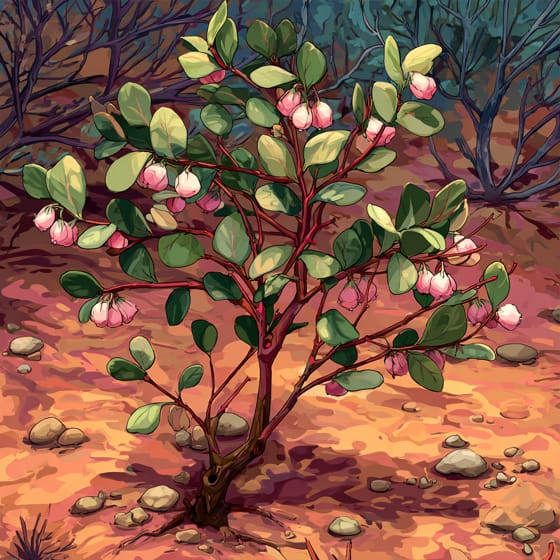
Arctostaphylos manzanita
Larvae feed on its leaves
Myotis californicus
Bats are common predators of moths

Melanerpes formicivorus
Forages for caterpillars in trees
Einzelgänger leben den größten Teil ihres Lebens allein und interagieren mit Artgenossen nur zur Paarung oder zur Aufzucht der Jungen.
Beschreibt Pflanzen, die für eine Vielzahl von bestäubenden Organismen besonders attraktiv und nützlich sind.
Farbenfroh beschreibt Organismen oder Objekte, die eine große Vielfalt an leuchtenden und deutlich erkennbaren Farben aufweisen.
Getarnt beschreibt Organismen, die über eine Färbung oder Musterung verfügen, durch die sie mit ihrer Umgebung verschmelzen.

Dieses Merkmal kennzeichnet Lebewesen, deren Ernährung vollständig oder hauptsächlich aus pflanzlichem Material besteht.

Waldlebensräume sind terrestrische Lebensräume, die von dichtem Baumbestand dominiert werden und eine große Vielfalt an Pflanzen- und Tierarten beherbergen.

Nachtaktive Tiere sind hauptsächlich in den Nachtstunden aktiv und ruhen oder schlafen normalerweise tagsüber.

Beschreibt Organismen, die Pollen übertragen und so die Befruchtung und Fortpflanzung von Pflanzen ermöglichen.
Noch keine Alternativnamen vorhanden.
Gefahr
1/5 · Sehr gering
Always watch insects from a distance and don't touch them, as some can be delicate.
22-28 mm
10-15 mm
7-14 Tage
Caterpillars munch on tough Manzanita leaves, while adult moths might sip sweet flower nectar.
Forests
Foraging
6
Zoome hinein, um Cluster aufzulösen und zu sehen, wo dieses Objekt fotografiert wurde.
Neueste Snaps erscheinen hier, wenn neue Beobachtungen hinzukommen.







.jpg&width=800)

_(6175851321).jpg&width=800)


