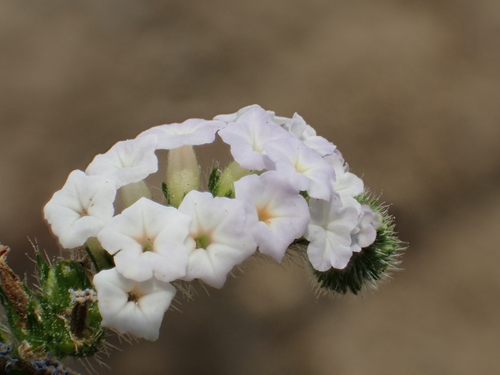


Indian Heliotrope
heliotropium indicum
The Indian Heliotrope is an annual, coarse, erect herb famous for its distinctive coiled flower spikes that resemble a scorpion's tail. Found widely in tropical and subtropical regions around the globe, this resilient plant thrives in disturbed soils, waste places, and along riverbanks. Historically, it has held a prominent place in traditional medicine across Asia, Africa, and Latin America, where its leaves have been used to treat skin conditions, inflammation, and wounds. Modern science, however, cautions against its internal consumption due to toxic pyrrolizidine alkaloids that can cause liver damage. This botanical curiosity plays an intriguing ecological role, particularly as an essential source of chemical defense compounds for various species of butterflies and moths.
Lebensraum: Typically found in open, damp, disturbed areas such as roadsides, waste fields, riverbanks, and agricultural edges across tropical and subtropical regions.
Indian Heliotrope typically grows between 15 and 80 centimeters tall, featuring a hairy, branched stem and dark green, ovate to oblong leaves with deeply wrinkled, rough textures. Its most recognizable feature is the terminal, scorpioid spike—a curved cluster of tiny, five-lobed flowers that are pale violet, lavender, or white with yellow centers. These miniature blossoms open sequentially from the base to the coiled tip, giving the inflorescence a dynamic, tail-like appearance that gradually unfurls as it matures.
Kategorie
PflanzenSeltenheit
Common
Gefahr
1/5 · Sehr gering
Snaps
Mach den ersten Snap!
In several regions, the plant is known as 'scorpion weed' or 'scorpion tail' due to the distinctive coiled architecture of its inflorescence.
Male butterflies of certain species actively search for damaged tissues of this plant to harvest alkaloids that are crucial for attracting mates.
The generic name Heliotropium comes from the Greek words 'helios' (sun) and 'tropos' (turn), referring to an ancient belief that the flower spikes turned to face the sun.
The flower spike is tightly coiled like a scorpion's tail and gradually uncoils as the tiny flowers bloom sequentially from base to tip, optimizing pollination efficiency.
Synthesizes toxic pyrrolizidine alkaloids that deter herbivorous mammals and generalist insects from feeding on its foliage.
Features an adaptable, fast-growing root system that allows it to rapidly establish and thrive in poor, compacted, or heavily disturbed soils.
Synthesizes its own organic compounds through photosynthesis, utilizing sunlight, carbon dioxide, water, and essential soil minerals.
Danaus chrysippus
Male butterflies visit the withered or injured parts of the plant to scrape and ingest pyrrolizidine alkaloids, which they use to synthesize courtship pheromones.
Utetheisa pulchella
The caterpillars of this moth feed on the foliage of Boraginaceae plants, sequestering pyrrolizidine alkaloids for their own defense against predators.
Für dieses Objekt sind noch keine Merkmal-Badges vergeben.
Noch keine Alternativnamen vorhanden.
Sammlungen für dieses Objekt erscheinen hier, wenn weitere Themen hinzugefügt werden.
Gefahr
1/5 · Sehr gering
Noch keine besonderen Sicherheitshinweise.
Der einfachste Weg, Indian Heliotrope zu bestimmen, ist die Verwendung der Naturführer-App Snappit.
15-80 cm
0.05-0.3 kg
1 Jahre
Synthesizes its own organic compounds through photosynthesis, utilizing sunlight, carbon dioxide, water, and essential soil minerals.
Typically found in open, damp, disturbed areas such as roadsides, waste fields, riverbanks, and agricultural edges across tropical and subtropical regions.
Zoome hinein, um Cluster aufzulösen und zu sehen, wo dieses Objekt fotografiert wurde.
Neueste Snaps erscheinen hier, wenn neue Beobachtungen hinzukommen.

Illinois, US
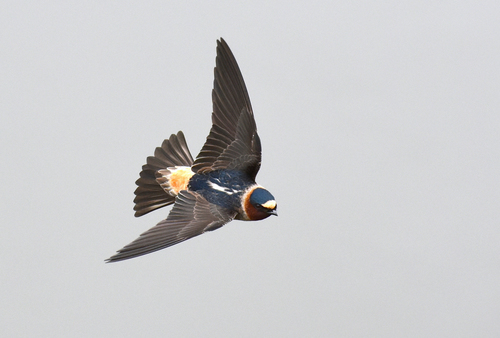
Hier kann man sehen Klippenschwalbe, Baldcypress und Indian Heliotrope.
Führer anzeigen →
Illinois, US
Hier kann man sehen Klippenschwalbe, Baldcypress und Indian Heliotrope.
Führer anzeigen →
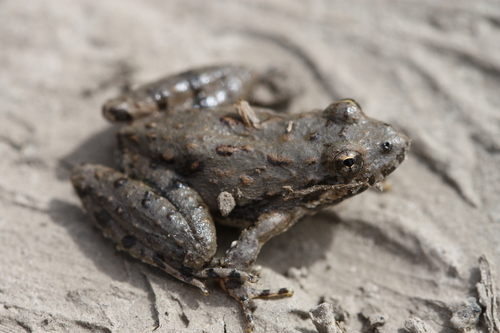
Louisiana, US
Hier kann man sehen Blanchard-Cricketfrosch und Indian Heliotrope.
Führer anzeigen →








.jpg&width=800)




