Kusimanses
Crossarchus
Kusimanses are small, playful mammals that love to dig and explore! They have long bodies and short legs, making them great at burrowing into the ground.
Lebensraum: Grasslands
The Kusimanses is a small, stocky mammal with a long, pointed snout and short legs. Its shaggy fur is typically dark reddish-brown to black, often giving it a grizzled appearance. They have small, rounded ears and sharp claws.
Kategorie
SäugetiereSeltenheit
Common
Gefahr
2/5 · Gering
Snaps
Mach den ersten Snap!
Baby Kusimanses are born helpless with closed eyes, relying on the whole group.
Kusimanses communicate with a wide range of sounds, including purrs, growls, and chirps!
These clever animals sometimes use rocks to crack open hard-shelled eggs!
They are part of the mongoose family and live in large, playful family groups.
Kusimanses can sniff out tiny insects and grubs hidden underground, helping them find food even in dense foliage.
Kusimanses hunt together in groups, allowing them to overpower larger prey that one might not catch alone.
Kusimanses have strong, non-retractable claws that help them dig quickly to unearth buried food and create shelters.
These busy omnivores love to eat insects, small animals, fruits, and even fungi they dig up!
Naja melanoleuca
A known predator of Kusimanses in their habitat.
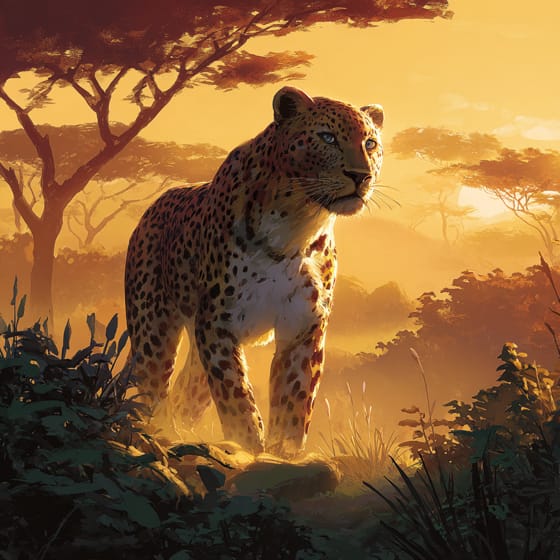
Panthera pardus
Large carnivores sometimes prey on smaller Kusimanses.
%2C_at_Ndumo_Nature_Reserve%2C_KwaZulu-Natal%2C_South_Africa_(28947411865).jpg&width=800)
Stephanoaetus coronatus
Birds of prey are significant predators.
Mastomys natalensis
Kusimanses actively hunt small rodents for food.
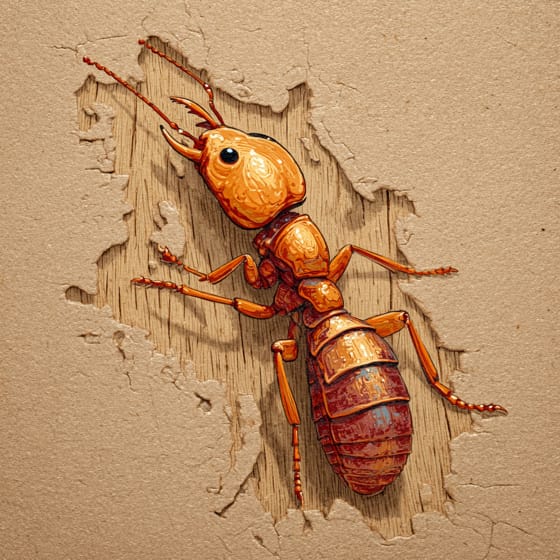
Macrotermes bellicosus
A primary food source, dug out from nests.
Pelzig beschreibt Tiere, die eine dichte Schicht aus weichen Haaren oder Fell besitzen.
Soziale Tiere leben in organisierten Gruppen und kooperieren, um ihr Überleben zu sichern, beispielsweise bei der Nahrungssuche, Verteidigung und Aufzucht der Jungen.
Grabende Tiere heben Tunnel und Kammern im Erdboden aus und nutzen diese unterirdischen Strukturen als Unterschlupf, zur Jagd oder zur Fortpflanzung.
Grasland-Lebensräume sind terrestrische Biome, die von Gräsern und krautigen Pflanzen dominiert werden und einer Vielzahl von Weidetieren als Lebensraum dienen.

Dieses Merkmal kennzeichnet Organismen, deren Nahrung hauptsächlich aus Insekten und anderen kleinen Wirbellosen besteht.

Dieses Merkmal kennzeichnet Lebewesen, die bei der Jagd, Flucht oder Fortbewegung eine außergewöhnliche Schnelligkeit aufweisen.
Noch keine Alternativnamen vorhanden.
Gefahr
2/5 · Gering
Kusimanses are wild animals, so it's best to observe them from a distance.
30-47 cm
0.8-1.4 kg
6-12 Jahre
25 km/h
These busy omnivores love to eat insects, small animals, fruits, and even fungi they dig up!
Grasslands
Foraging
2-4
Zoome hinein, um Cluster aufzulösen und zu sehen, wo dieses Objekt fotografiert wurde.
Neueste Snaps erscheinen hier, wenn neue Beobachtungen hinzukommen.