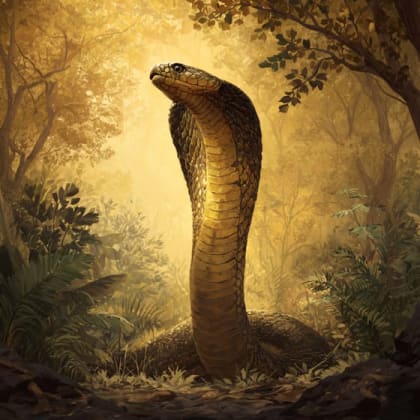
Lampropeltis Triangulum Gaigeae
lampropeltis triangulum gaigeae
The Lampropeltis Triangulum Gaigeae, also known as the milk snake, is a colorful and fascinating reptile! These snakes are known for their striking patterns and are often found in a variety of habitats.
Lebensraum: They live in forests, grasslands, and sometimes near human settlements.
The Lampropeltis Triangulum Gaigeae is a striking snake adorned with vibrant bands of red, black, and cream or yellow. Its broad red bands are notably bordered by narrower cream/yellow bands, which distinctly separate them from the black bands, a key feature in distinguishing it from other banded snakes.
Kategorie
ReptilienSeltenheit
Common
Gefahr
1/5 · Sehr gering
Snaps
Mach den ersten Snap!
Despite their name, milk snakes do NOT drink milk from cows!
Their scientific name 'Lampropeltis' means 'shiny shield' in ancient Greek!
These amazing snakes have hinged jaws to swallow prey much bigger than their head!
They shed their entire outer layer of skin in one single piece as they grow.
Lampropeltis Triangulum Gaigeae can mimic the dangerous patterns of venomous coral snakes that helps them scare away predators.
Lampropeltis Triangulum Gaigeae can constrict its prey with a powerful squeeze because of its strong muscles, helping them hunt effectively.
Lampropeltis Triangulum Gaigeae has a loud defensive hiss and will strike to startle threats that helps them deter larger predators.
This carnivore feasts on small rodents, lizards, birds, and even other snakes.
Altersunterschiede: Younger snakes may eat more invertebrates and smaller lizards.
Peromyscus maniculatus
A common meal for the snake.

Sceloporus variabilis
Lizards are a frequent food source.
Buteo jamaicensis
A major avian predator of milk snakes.
Didelphis virginiana
Opportunistic mammalian predator.
Einzelgänger leben den größten Teil ihres Lebens allein und interagieren mit Artgenossen nur zur Paarung oder zur Aufzucht der Jungen.
Farbenfroh beschreibt Organismen oder Objekte, die eine große Vielfalt an leuchtenden und deutlich erkennbaren Farben aufweisen.
Dieses Merkmal kennzeichnet Organismen, deren Ernährung vollständig oder hauptsächlich aus tierischem Gewebe besteht.
Nachtaktive Tiere sind hauptsächlich in den Nachtstunden aktiv und ruhen oder schlafen normalerweise tagsüber.
Gefahr
1/5 · Sehr gering
Always observe snakes from a distance; do not attempt to touch them.
70-120 cm
0.2-0.8 kg
10-15 Jahre
4 km/h
This carnivore feasts on small rodents, lizards, birds, and even other snakes.
They live in forests, grasslands, and sometimes near human settlements.
Ambush
3-15
Zoome hinein, um Cluster aufzulösen und zu sehen, wo dieses Objekt fotografiert wurde.
Neueste Snaps erscheinen hier, wenn neue Beobachtungen hinzukommen.