
.jpg&width=800)





Lantana
Lantana
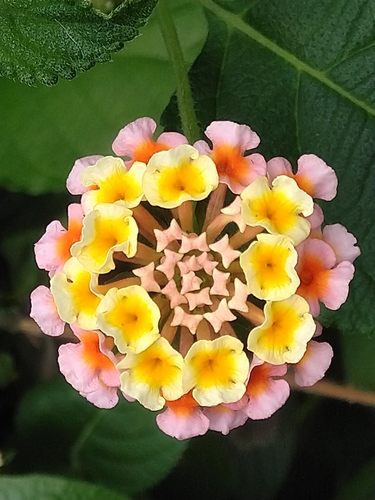
Lantanas are colorful flowers that attract butterflies and bees with their sweet nectar. They bloom in vibrant shades of pink, orange, yellow, and purple, brightening up gardens and meadows.
Lebensraum: Gardens, Meadows
The Lantana has rough, dark green leaves and small, vibrant flowers that grow in dense, round clusters. These clusters often display multiple colors, like yellow, orange, red, and pink, creating a dazzling, multi-toned effect as they mature.
Kategorie
PflanzenSeltenheit
Common
Gefahr
1/5 · Sehr gering
Snaps
Mach den ersten Snap!
Did you know the berries look like tasty treats, but they are actually poisonous!
In some warm countries, Lantana grows so fast it can take over huge areas!
Rubbing Lantana leaves can release a strong, unique, and sometimes spicy scent!
Some Lantana species were traditionally used by people for herbal remedies long ago.
Lantana's flowers can change color as they age, helping pollinators identify which blooms have the most nectar.
Lantana can thrive in dry conditions thanks to its tough root system, needing little water to flourish.
Lantana produces abundant nectar and bright, showy flowers that act like a beacon for butterflies and bees.
Danaus plexippus
Attracted by nectar for food.
Apis mellifera
Visits many flowers for pollen and nectar.

Trochilus colubris
Feeds on nectar from tubular flowers.
Dauerblühende Pflanzen bringen kontinuierlich oder in wiederholten Schüben über einen langen Zeitraum Blüten hervor.
Duftende Blüten verströmen ein angenehmes Aroma, oft um Bestäuber anzulocken oder zur Abwehr.
Trockenheitstolerante Pflanzen können unter Bedingungen mit begrenzter Wasserverfügbarkeit überleben und gedeihen.
Beschreibt Organismen, die Pollen übertragen und so die Befruchtung und Fortpflanzung von Pflanzen ermöglichen.
Gefahr
1/5 · Sehr gering
Enjoy the beauty of lantanas from a safe distance and avoid touching them without adult supervision.
30-180 cm
30-200 cm
0.5-1 cm
Year-round in tropical climates; spring to fall in temperate zones
Nein
Mäßig
Mehrjährig
Insekten
Zoome hinein, um Cluster aufzulösen und zu sehen, wo dieses Objekt fotografiert wurde.
Neueste Snaps erscheinen hier, wenn neue Beobachtungen hinzukommen.















_-_Flickr_-_wackybadger_(1).jpg&width=800)


