






Large Yellow Underwing
Noctua pronuba
The Large Yellow Underwing is a big, beautiful moth with bright yellow wings. It loves to fly around at night and can be found in gardens and fields, making it a fun sight for night-time explorers!
Lebensraum: Urban areas, gardens, fields
The Large Yellow Underwing has dull, patterned brown or grey forewings, which act as camouflage against tree bark. Its vibrant yellow hindwings, revealed during flight, are edged with a broad black band. This striking contrast makes it visually unique.
Kategorie
InsektenSeltenheit
Common
Gefahr
1/5 · Sehr gering
Snaps
Mach den ersten Snap!
Its caterpillars are nicknamed "cutworms" because they sometimes chew through young plant stems at ground level!
Some of these moths travel huge distances, flying across oceans or continents like tiny adventurers!
The Large Yellow Underwing can hear bats using special organs on its chest, helping it avoid becoming dinner!
This moth helps many night-blooming flowers make seeds by carrying their pollen from plant to plant.
Large Yellow Underwing can startle predators with its bright yellow hindwings that flash open when threatened, creating confusion.
Large Yellow Underwing flies actively after dark, using its keen senses to locate flowers for nectar and find mates in the shadows.
Large Yellow Underwing has hardy caterpillars that can feed and grow throughout the winter months, even in cold conditions.
Adult moths sip flower nectar, while their caterpillars munch on leaves and stems of various plants.
Altersunterschiede: Caterpillars are herbivores eating leaves and roots, while adult moths are nectarivores.
Myotis lucifugus
A nocturnal hunter that preys on flying moths like the Large Yellow Underwing.

Lonicera periclymenum
As they drink nectar, adult moths transfer pollen between these fragrant night flowers.

Lactuca sativa
Caterpillars munch on the leaves of various garden vegetables, including lettuce.
Cyanistes caeruleus
Blue Tits feed their chicks many caterpillars, including this moth's larvae.
Beschreibt Pflanzen, die für eine Vielzahl von bestäubenden Organismen besonders attraktiv und nützlich sind.
Farbenfroh beschreibt Organismen oder Objekte, die eine große Vielfalt an leuchtenden und deutlich erkennbaren Farben aufweisen.
Dieses Merkmal kennzeichnet Lebewesen, deren Ernährung vollständig oder hauptsächlich aus pflanzlichem Material besteht.
Dieses Merkmal kennzeichnet Lebewesen, die bei der Jagd, Flucht oder Fortbewegung eine außergewöhnliche Schnelligkeit aufweisen.

Dieses Lebensraummerkmal weist auf Arten hin, die in städtischen und vorstädtischen Umgebungen mit Menschen zusammenleben können und von Menschen geschaffene Strukturen sowie Grünflächen nutzen.

Nachtaktive Tiere sind hauptsächlich in den Nachtstunden aktiv und ruhen oder schlafen normalerweise tagsüber.

Beschreibt Organismen, die Pollen übertragen und so die Befruchtung und Fortpflanzung von Pflanzen ermöglichen.
Gefahr
1/5 · Sehr gering
Moths are usually harmless, but it's best to watch them from a distance.
45-60 mm
25-30 mm
14-28 Tage
10-20 km/h
Adult moths sip flower nectar, while their caterpillars munch on leaves and stems of various plants.
Urban areas, gardens, fields
Foraging
6
Zoome hinein, um Cluster aufzulösen und zu sehen, wo dieses Objekt fotografiert wurde.
Neueste Snaps erscheinen hier, wenn neue Beobachtungen hinzukommen.

England, UK
Hier kann man sehen Cinnabar Moth, Common Moorhen und Marmalade Hover Fly.
Führer anzeigen →

British Columbia, CA
Hier kann man sehen Western Sword Fern, Douglasie und Red Huckleberry.
Führer anzeigen →

British Columbia, CA
Hier kann man sehen Herb Robert, Western Redcedar und Thimbleberry.
Führer anzeigen →

British Columbia, CA
Hier kann man sehen Greater Yellowlegs, Glaucous-Winged Gull und Rotbuche.
Führer anzeigen →
Washington, US
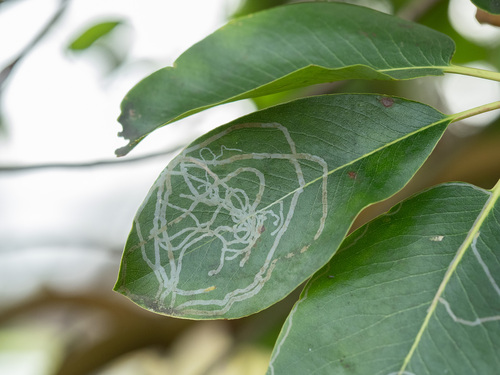
Hier kann man sehen Madrone Skin Miner, Pacific Madrone und Western Redcedar.
Führer anzeigen →












_I.jpg&width=800)




