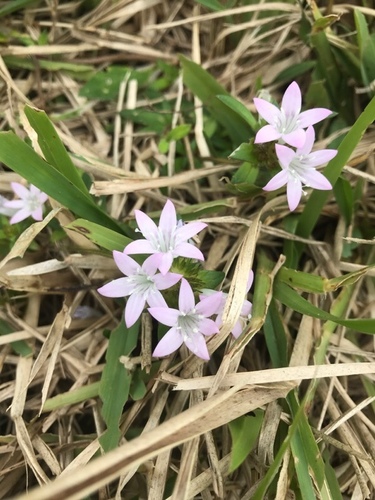




Latexplant
araujia odorata
The Latexplant is a unique and fascinating plant that produces a milky latex. It has long, twisting vines that can climb high into trees, making it a fun plant to explore!
Lebensraum: The Latexplant thrives in tropical and subtropical regions, often found in forests and along roadsides.
The Latexplant is a vigorous climbing vine with attractive heart-shaped leaves that are glossy green on top and pale underneath. It produces small, bell-shaped white or cream-colored flowers, followed by large, rough, pear-shaped fruits.
Kategorie
PflanzenSeltenheit
Common
Gefahr
1/5 · Sehr gering
Snaps
Mach den ersten Snap!
It can grow incredibly fast, covering fences and trees in just a single growing season.
Its large, pear-shaped fruits split open to release hundreds of seeds with feathery parachutes!
The milky sap can be quite irritating to human skin, so it's best not to touch it directly!
This plant is sometimes called 'Moth Plant' because its sweet scent attracts night-flying moths.
Latexplant has a milky, sticky sap that helps it defend against hungry herbivores and quickly seal wounds.
Latexplant can quickly climb over other plants or structures, helping it reach sunlight and dominate its space.
Latexplant has unique flowers that temporarily trap insects, ensuring they pick up pollen before escaping.
Apis mellifera
attracted by flowers for nectar

Aphis nerii
sucks sap from stems and leaves
Passer domesticus
uses dense vines for nesting and cover
Kletter- oder Rankpflanzen zeichnen sich durch ein Wachstum aus, das es ihnen ermöglicht, durch Winden, Ranken oder Haftwurzeln nach oben zu klettern.
Farbenfroh beschreibt Organismen oder Objekte, die eine große Vielfalt an leuchtenden und deutlich erkennbaren Farben aufweisen.
Dieses Merkmal kennzeichnet Lebewesen, deren Ernährung vollständig oder hauptsächlich aus pflanzlichem Material besteht.
Waldlebensräume sind terrestrische Lebensräume, die von dichtem Baumbestand dominiert werden und eine große Vielfalt an Pflanzen- und Tierarten beherbergen.

Beschreibt Organismen, die Pollen übertragen und so die Befruchtung und Fortpflanzung von Pflanzen ermöglichen.
Gefahr
1/5 · Sehr gering
Avoid touching the latex directly as it can irritate the skin.
200-700 cm
150-500 cm
1-3 cm
Summer to fall
Nein
Mäßig
Mehrjährig
Insekten
Zoome hinein, um Cluster aufzulösen und zu sehen, wo dieses Objekt fotografiert wurde.
Neueste Snaps erscheinen hier, wenn neue Beobachtungen hinzukommen.