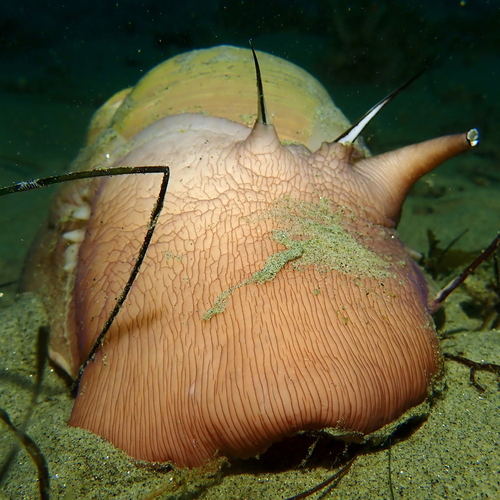


Lewis'S Moon Snail
neverita lewisii
Lewis's Moon Snail (Neverita lewisii) is a true giant of the intertidal world, holding the title of the largest species of moon snail on Earth. Native to the sandy beaches and muddy bays of the Northeast Pacific, this predatory marine gastropod is best known for its remarkably large, muscular foot. When expanded, this foot allows the snail to glide effortlessly over and beneath the seafloor in search of prey, acting like a plow. Yet, should danger arise, the snail can expel water from pores along the foot, shrinking it down completely to retract within its heavy, globose shell, sealing the opening with a tough horny door called an operculum.
Lebensraum: Found in sandy or muddy intertidal and shallow subtidal zones along coastal beaches, bays, and estuaries.
The shell of Lewis's Moon Snail is large, heavy, and globose, typically measuring 8 to 15 centimeters in diameter with a smooth, creamy-white to yellowish-brown or pale grey coloration marked by fine growth lines. In life, the most striking feature is its massive, fleshy, grayish-brown foot, which can extend to cover the entire shell. A thick, brown, horn-like operculum seals the shell's aperture when the snail retreats inside.
Kategorie
InvertebrateSeltenheit
Common
Gefahr
1/5 · Sehr gering
Snaps
Mach den ersten Snap!
A single sand collar can contain up to hundreds of thousands of individual eggs, which hatch into free-swimming planktonic larvae.
The characteristic 'sand collar' egg case is often mistaken by beachgoers for industrial rubber trash or a discarded piece of plastic.
To retreat back inside its protective shell, the moon snail must squeeze out water from special pores in its foot, essentially deflating itself.
Utilizes seawater to pump up its muscular foot to several times its shell's volume, facilitating efficient burrowing and locomotion.
Employs an accessory boring organ to secrete acids that soften prey shells, allowing its raspy radula to drill a neat circular hole.
Mixes sand grains with mucus to create a unique, flexible collar-shaped structure that safely houses and protects its eggs.
They are active predators of bivalves, locating them under the sand and using their radula to drill into the shells to consume the soft tissue inside.
Altersunterschiede: Juveniles may feed on microscopic algae and small detritus, but rapidly shift to hunting small bivalves as they mature.
Saxidomus gigantea
Preys actively on this common bivalve by drilling a precise hole in its shell.
Pycnopodia helianthoides
The moon snail is actively hunted and consumed by this multi-armed sea star.
Siliqua patula
Commonly targeted prey which the snail stalks and drills under sandy substrates.
Für dieses Objekt sind noch keine Merkmal-Badges vergeben.
Noch keine Alternativnamen vorhanden.
Sammlungen für dieses Objekt erscheinen hier, wenn weitere Themen hinzugefügt werden.
Gefahr
1/5 · Sehr gering
Noch keine besonderen Sicherheitshinweise.
Der einfachste Weg, Lewis'S Moon Snail zu bestimmen, ist die Verwendung der Naturführer-App Snappit.
800000015+ cm
0.2+ kg
500000014+ Jahre
They are active predators of bivalves, locating them under the sand and using their radula to drill into the shells to consume the soft tissue inside.
Found in sandy or muddy intertidal and shallow subtidal zones along coastal beaches, bays, and estuaries.
Foraging
100000010000000+
Zoome hinein, um Cluster aufzulösen und zu sehen, wo dieses Objekt fotografiert wurde.
Neueste Snaps erscheinen hier, wenn neue Beobachtungen hinzukommen.

Washington, US
Hier kann man sehen Ochre Sea Star, Bemalte Anemone und Aggregating Anemone.
Führer anzeigen →
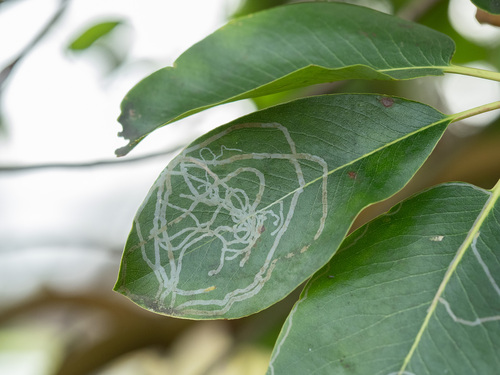
Washington, US
Hier kann man sehen Erdbeerbaum-Hautminierer und Pazifische Erdbeerbaum.
Führer anzeigen →
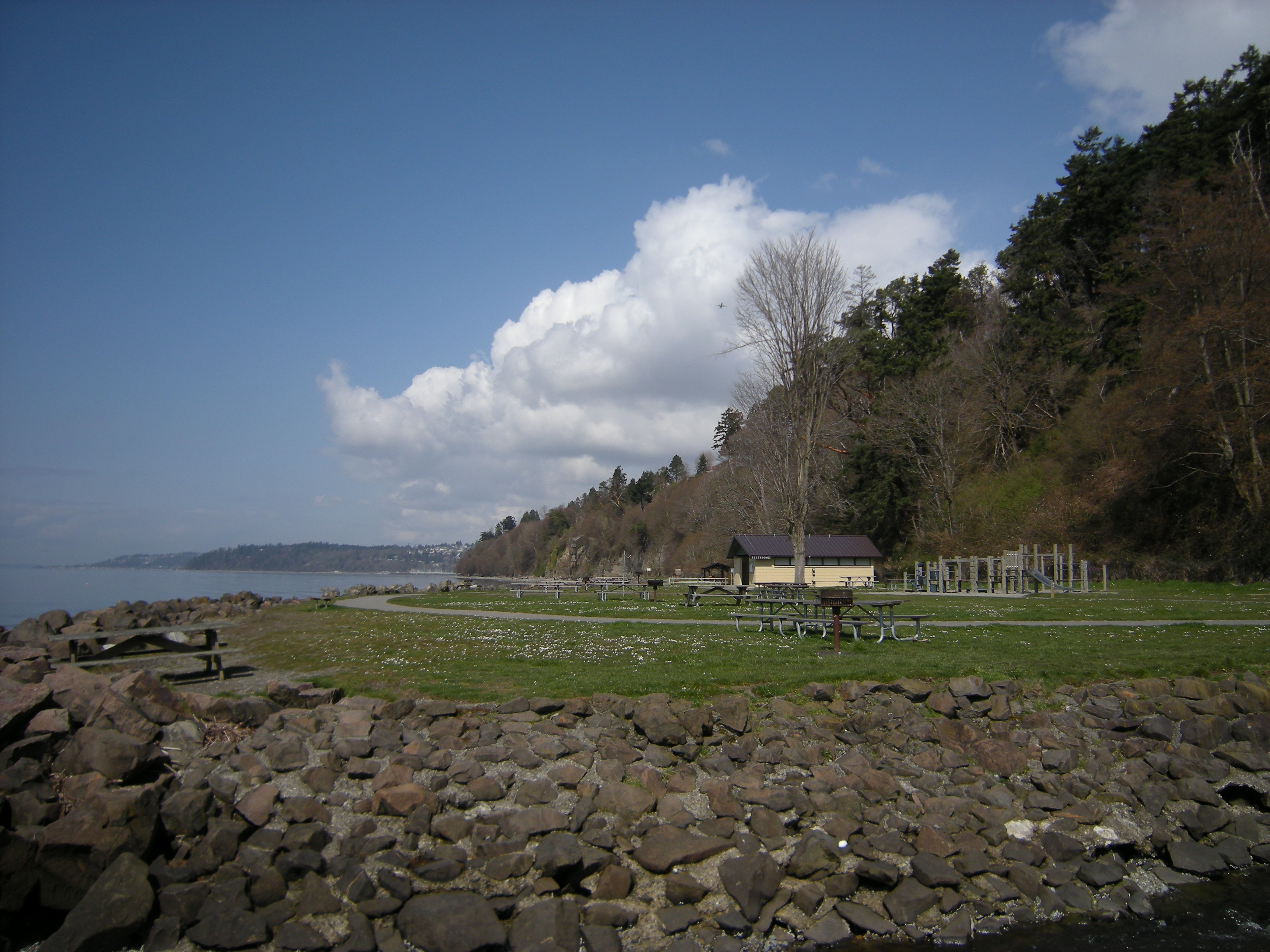
Washington, US
Hier kann man sehen Großblättriger Ahorn und Western Redcedar.
Führer anzeigen →

Washington, US
Hier kann man sehen Aggregating Anemone, Red Rock Crab und Olympiamöwe.
Führer anzeigen →

Washington, US
Hier kann man sehen Rote Spornblume, Ozean-Sprühblume und Yellow Shore Crab.
Führer anzeigen →



_-_Haminoeidae_-_Mollusc_shell.jpeg&width=800)










