linden viburnum
Viburnum dilatatum
The linden viburnum is a beautiful shrub with lovely white flowers that bloom in spring. It has bright red berries in the fall that birds love to eat!
Lebensraum: Forests
The linden viburnum is a dense shrub with deeply veined, dull green leaves resembling those of a linden tree. In late spring, it bursts with creamy white flower clusters, followed by vibrant, glossy red berries that persist into winter.
Kategorie
PflanzenSeltenheit
Common
Gefahr
1/5 · Sehr gering
Snaps
Mach den ersten Snap!
It gets its 'linden' name because its crinkly leaves look a lot like linden tree leaves!
Its leaves transform into a dazzling display of yellow, orange, and red hues each autumn!
The tiny flowers, though small, team up in big clusters to create a magnificent show!
These berries, while beautiful, are a 'no-go' snack for humans, but a feast for birds!
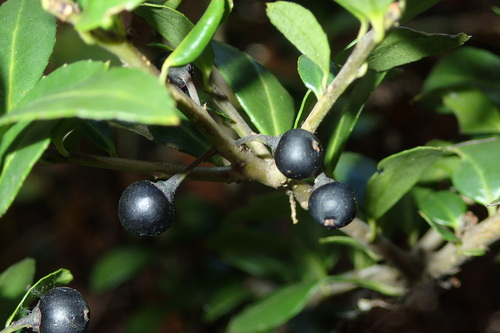
Linden viburnum has bright red berries that cling to its branches, providing crucial food for birds through cold winter months.
Its creamy white flower clusters emit a sweet scent, acting as a strong signal to attract helpful insect pollinators from afar.
The dense, branching structure of the linden viburnum creates excellent shelter and nesting spots for small birds and mammals.
Turdus migratorius
Feasts on its persistent red berries in winter.
Apis mellifera
Visits sweet-scented flowers for nectar and pollen.
Odocoileus virginianus
Browses on its leaves and young stems, especially in winter.
Bombycilla cedrorum
Consumes its abundant red berries throughout the colder months.
Aromatische Pflanzen produzieren und verströmen duftende flüchtige organische Verbindungen, oft zur Abwehr oder um Bestäuber anzulocken.
Blütenpflanzen sind alle Pflanzen, die als Teil ihres Fortpflanzungszyklus Blüten bilden.
Laubabwerfende Pflanzen werfen regelmäßig all ihre Blätter ab, typischerweise im Herbst oder in Trockenzeiten.
Frühlingsblüher bilden ihre Blüten im Frühjahr und kündigen oft das Ende des Winters und den Beginn neuen Wachstums an.

Ein Strauch ist eine verholzende Pflanze, die kleiner als ein Baum ist und typischerweise mehrere Stämme hat, die sich ab oder nahe dem Boden verzweigen.

Duftende Blüten verströmen ein angenehmes Aroma, oft um Bestäuber anzulocken oder zur Abwehr.

Fruchttragende Pflanzen produzieren Früchte, also die reifen Fruchtknoten von Blütenpflanzen, die Samen enthalten.

Beschreibt Pflanzen, die für eine Vielzahl von bestäubenden Organismen besonders attraktiv und nützlich sind.

Herbstfärbung bezeichnet den jahreszeitlichen Wechsel der Blattpigmentierung, der vor allem bei Laubpflanzen leuchtende Farbtöne hervorbringt.

Waldlebensräume sind terrestrische Lebensräume, die von dichtem Baumbestand dominiert werden und eine große Vielfalt an Pflanzen- und Tierarten beherbergen.
Noch keine Alternativnamen vorhanden.
Gefahr
1/5 · Sehr gering
Always stay on paths when exploring nature and don't eat any berries unless an adult says it's safe.
200-300 cm
200-300 cm
0.5-1 cm
Late spring to early summer
Nein
Leicht
Mehrjährig
Insekten
Zoome hinein, um Cluster aufzulösen und zu sehen, wo dieses Objekt fotografiert wurde.
Neueste Snaps erscheinen hier, wenn neue Beobachtungen hinzukommen.

Maryland, US
Hier kann man sehen Amerikanische Kröte, Weißwedelhirsch und Lesser Celandine.
Führer anzeigen →
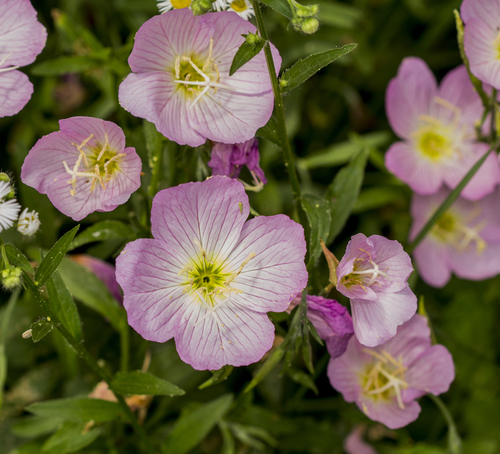
Virginia, US
Hier kann man sehen Pinkladies, Hickories und Japanese Aucuba.
Führer anzeigen →
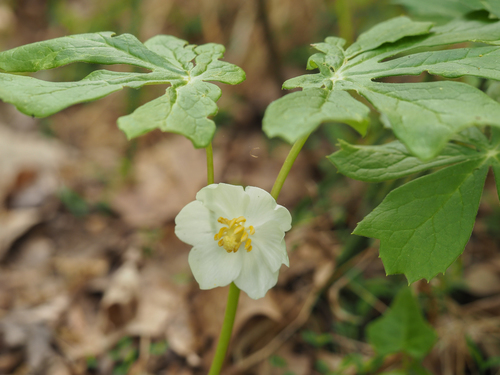
Virginia, US
Hier kann man sehen Mayapple, Weiß-Esche und Multiflora Rose.
Führer anzeigen →
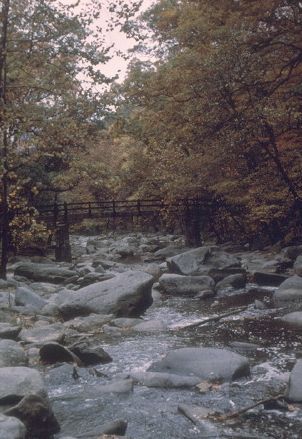
District of Columbia, US
Hier kann man sehen Amerikanische Buche, Christmas Fern und Linden Viburnum.
Führer anzeigen →
Virginia, US
Hier kann man sehen Japanese Holly, Asian Jumpseed und Veilchen.
Führer anzeigen →