






Lion-tailed Macaque
Macaca silenus
The Lion-tailed Macaque is a special monkey with a fluffy black mane that looks like a lion's! They are very playful and live in groups called troops in the forests of India.
Lebensraum: Forests
The Lion-tailed Macaque has glossy black fur across its body, with a striking silver-white mane that frames its dark face. Its distinctive tail is short and ends in a black tuft, resembling a lion's tail.
Kategorie
SäugetiereSeltenheit
Rare
Gefahr
2/5 · Gering
Snaps
Mach den ersten Snap!
Every night, entire macaque groups sleep high in a different tree for safety.
Their babies cling tightly to their mother's belly for many months after birth.
These rare monkeys live only in the rainforests of Southern India!
They will often crack open hard seeds using their strong teeth to get to the tasty kernel!
Lion-tailed Macaques can leap and swing through high canopy trees because of their strong limbs that help them find food and escape danger.
Lion-tailed Macaques have a loud, deep 'coo-call' that helps them signal their group members and warn others about predators.
These clever monkeys are omnivores, enjoying a mix of forest fruits, leaves, and insects!
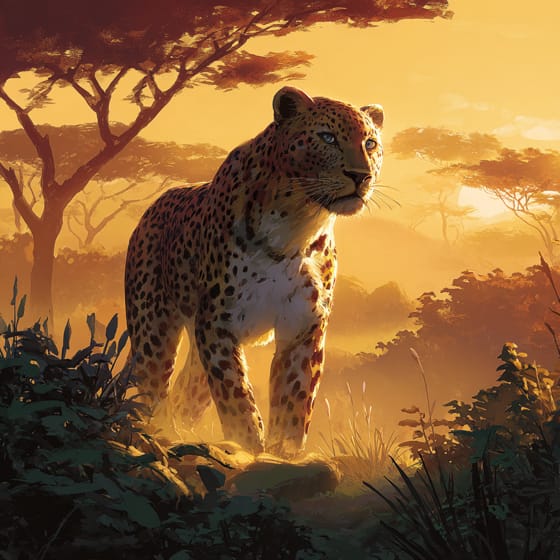
Panthera pardus
Leopards are a primary natural predator.
Python molurus
Large pythons can ambush young macaques.
Ficus racemosa
Figs are a key part of their diet.
Pelzig beschreibt Tiere, die eine dichte Schicht aus weichen Haaren oder Fell besitzen.
Soziale Tiere leben in organisierten Gruppen und kooperieren, um ihr Überleben zu sichern, beispielsweise bei der Nahrungssuche, Verteidigung und Aufzucht der Jungen.
Dieses Merkmal kennzeichnet Lebewesen, deren Ernährung vollständig oder hauptsächlich aus pflanzlichem Material besteht.
Waldlebensräume sind terrestrische Lebensräume, die von dichtem Baumbestand dominiert werden und eine große Vielfalt an Pflanzen- und Tierarten beherbergen.

Tagaktive Tiere sind hauptsächlich bei Tageslicht aktiv und ruhen oder schlafen in der Regel nachts.

Der Status 'Stark gefährdet' bedeutet, dass eine Art in naher Zukunft einem sehr hohen Risiko ausgesetzt ist, in freier Wildbahn auszusterben.
Noch keine Alternativnamen vorhanden.
Gefahr
2/5 · Gering
Always watch from a distance and never try to touch wild animals.
45-60 cm
3-10 kg
20-30 Jahre
25 km/h
These clever monkeys are omnivores, enjoying a mix of forest fruits, leaves, and insects!
Forests
Foraging
1
Zoome hinein, um Cluster aufzulösen und zu sehen, wo dieses Objekt fotografiert wurde.
Neueste Snaps erscheinen hier, wenn neue Beobachtungen hinzukommen.













