Long-Leaved Redtop-Panicgrass
coleataenia longifolia
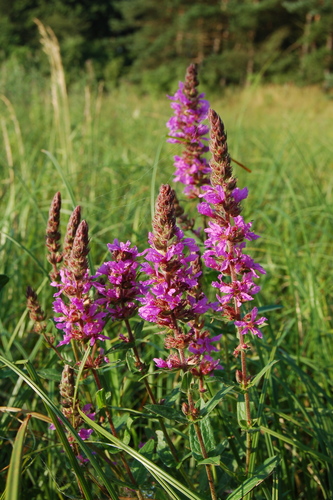
The Long-Leaved Redtop-Panicgrass has tall, slender leaves that dance in the breeze. This grass is a favorite spot for butterflies and other tiny creatures to play and hide!
Lebensraum: It typically grows in grassy fields and along roadsides.
The Long-Leaved Redtop-Panicgrass has slender stems reaching up to three feet tall, adorned with long, flat, strap-like leaves that can display a reddish or purplish hue, especially in direct sunlight. Its airy flower clusters, known as panicles, emerge in late summer, giving it a soft, feathery appearance.
Kategorie
PflanzenSeltenheit
Common
Gefahr
0/5 · Keine bekannte Gefahr
Snaps
Mach den ersten Snap!
Even when dry, its reddish leaves provide beautiful color in winter landscapes!
Its scientific name, Coleataenia, means 'sheathed ribbon,' describing its leaves!
Many tiny insects use this grass as a safe hiding spot from predators.
This grass can help stop soil from washing away, protecting valuable land.
Long-Leaved Redtop-Panicgrass can develop reddish or purplish leaves, which may help it cope with stress or sun exposure.
Long-Leaved Redtop-Panicgrass has numerous tiny seeds that are easily dispersed by wind and consumed by birds, aiding its spread.
Long-Leaved Redtop-Panicgrass has a fibrous root system that helps it prevent soil erosion in open, disturbed areas.
Cardinalis cardinalis
Eats its abundant seeds during fall and winter.
Melospiza melodia
Feeds on seeds, often scratching them from the ground.
Schistocerca americana
Larvae and adults graze on the leaves of various grasses.

Peromyscus leucopus
Uses dense grass clumps for cover and nesting material.
Einzelgänger leben den größten Teil ihres Lebens allein und interagieren mit Artgenossen nur zur Paarung oder zur Aufzucht der Jungen.
Farbenfroh beschreibt Organismen oder Objekte, die eine große Vielfalt an leuchtenden und deutlich erkennbaren Farben aufweisen.
Grasland-Lebensräume sind terrestrische Biome, die von Gräsern und krautigen Pflanzen dominiert werden und einer Vielzahl von Weidetieren als Lebensraum dienen.
Dieses Merkmal kennzeichnet Lebewesen, deren Ernährung vollständig oder hauptsächlich aus pflanzlichem Material besteht.

Tagaktive Tiere sind hauptsächlich bei Tageslicht aktiv und ruhen oder schlafen in der Regel nachts.
Gefahr
0/5 · Keine bekannte Gefahr
Noch keine besonderen Sicherheitshinweise.
30-90 cm
Summer to fall
Nein
Keine
Mehrjährig
Wind
It typically grows in grassy fields and along roadsides.
Zoome hinein, um Cluster aufzulösen und zu sehen, wo dieses Objekt fotografiert wurde.
Neueste Snaps erscheinen hier, wenn neue Beobachtungen hinzukommen.