Meadow Brome
bromus commutatus
Meadow Brome is a grassy plant that grows in fields and meadows. Its soft blades sway gently in the breeze, making it a fun place for kids to explore!
Lebensraum: Meadows, grasslands, and open fields across North America.
The Meadow Brome is a slender, upright grass with distinctive drooping, airy seed heads. Its flat, green leaves are often covered in fine hairs, giving it a noticeably fuzzy texture. The mature seed heads turn a unique purplish-brown hue.
Kategorie
PflanzenSeltenheit
Common
Gefahr
0/5 · Keine bekannte Gefahr
Snaps
Mach den ersten Snap!
Each drooping seed head can contain dozens of tiny seeds, ready to scatter and grow!
Its scientific name, 'Bromus,' surprisingly comes from an ancient Greek word for oats!
Meadow Brome seeds can lie dormant for years, patiently awaiting ideal growth conditions!
This grass is often called 'Hairy Brome' by farmers due to its noticeably fuzzy leaves!
Meadow Brome can produce and easily disperse numerous seeds, helping it colonize new areas quickly and efficiently.
Meadow Brome has a fibrous root system that firmly grips the soil, helping to prevent erosion and stabilize loose earth.
Meadow Brome can thrive in various soil types and disturbed habitats, helping it survive in many different environments.
Odocoileus virginianus
Deer browse on its leaves and stems.
.JPG&width=800)
Sylvilagus floridanus
Rabbits munch on its fresh green shoots.
Passer domesticus
Sparrows and other birds feed on its abundant seeds.
Microtus pennsylvanicus
Meadow voles forage on the leaves and seeds.
Einzelgänger leben den größten Teil ihres Lebens allein und interagieren mit Artgenossen nur zur Paarung oder zur Aufzucht der Jungen.
Farbenfroh beschreibt Organismen oder Objekte, die eine große Vielfalt an leuchtenden und deutlich erkennbaren Farben aufweisen.
Grasland-Lebensräume sind terrestrische Biome, die von Gräsern und krautigen Pflanzen dominiert werden und einer Vielzahl von Weidetieren als Lebensraum dienen.
Dieses Merkmal kennzeichnet Lebewesen, deren Ernährung vollständig oder hauptsächlich aus pflanzlichem Material besteht.

Beschreibt Organismen, die Pollen übertragen und so die Befruchtung und Fortpflanzung von Pflanzen ermöglichen.
Gefahr
0/5 · Keine bekannte Gefahr
Noch keine besonderen Sicherheitshinweise.
30-90 cm
20-40 cm
1.5-2.5 cm
Late spring to summer
Nein
Keine
Einjährig
Wind
Zoome hinein, um Cluster aufzulösen und zu sehen, wo dieses Objekt fotografiert wurde.
Neueste Snaps erscheinen hier, wenn neue Beobachtungen hinzukommen.

Pennsylvania, US
Hier kann man sehen Carolina Horsenettle, Common Soapwort und Goldruten.
Führer anzeigen →
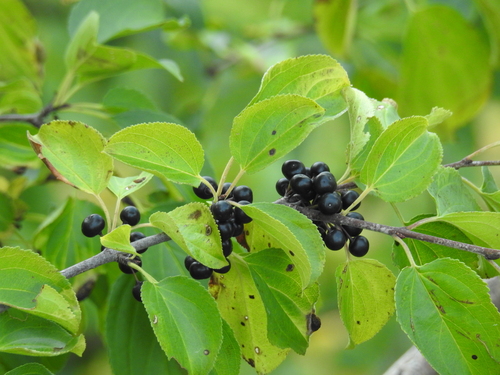
Michigan, US
Hier kann man sehen Common Buckthorn, False Indigo Bush und Honey Locusts.
Führer anzeigen →