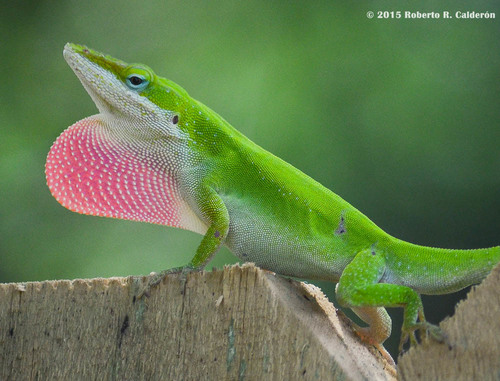

Mediterranean House Gecko
Hemidactylus turcicus
The Mediterranean House Gecko is a small lizard that loves to live near people. They have soft, scaly skin and can change color a little to blend in with their surroundings.
Lebensraum: Urban areas
The Mediterranean House Gecko has translucent, bumpy skin, often mottled in shades of gray, tan, or pinkish-brown, allowing it to blend into its surroundings. It possesses large, lidless eyes with vertical pupils and sticky toe pads, making it distinct from many other small lizards.
Kategorie
ReptilienSeltenheit
Common
Gefahr
1/5 · Sehr gering
Snaps
Mach den ersten Snap!
Female geckos often lay their eggs in communal spots, sharing safe nurseries for their babies!
These geckos clean their lidless eyes by licking them with their tongue – imagine that!
They can sometimes change their skin color slightly to become a super camouflage master!
You can sometimes see their internal organs through their almost transparent skin!
Mediterranean House Geckos can climb smooth walls and ceilings because of microscopic hairs on their toe pads that provide incredible grip.
Mediterranean House Geckos can detach their tail if caught, which wiggles to distract predators while they run to safety.
Mediterranean House Geckos have huge, lidless eyes with vertical pupils that help them see very well and hunt bugs in the dark.
Mediterranean House Geckos make soft clicking or chirping sounds to talk to each other, especially to defend their territory.
Tiny hunters, they feast on insects and other small invertebrates to stay strong.
Felis catus
Common predator in human-modified environments.
Blattella germanica
A common household pest and food source.
Aedes aegypti
Helps control mosquito populations in homes.
Thamnophis sirtalis
Some native snakes may prey on geckos.
Einzelgänger leben den größten Teil ihres Lebens allein und interagieren mit Artgenossen nur zur Paarung oder zur Aufzucht der Jungen.
Getarnt beschreibt Organismen, die über eine Färbung oder Musterung verfügen, durch die sie mit ihrer Umgebung verschmelzen.
Dieses Merkmal kennzeichnet Organismen, deren Nahrung hauptsächlich aus Insekten und anderen kleinen Wirbellosen besteht.
Regenerationsfähige Organismen besitzen die Fähigkeit, verlorene oder beschädigte Körperteile, Gewebe oder Organe nachwachsen zu lassen.

Dieses Lebensraummerkmal weist auf Arten hin, die in städtischen und vorstädtischen Umgebungen mit Menschen zusammenleben können und von Menschen geschaffene Strukturen sowie Grünflächen nutzen.

Nachtaktive Tiere sind hauptsächlich in den Nachtstunden aktiv und ruhen oder schlafen normalerweise tagsüber.
Gefahr
1/5 · Sehr gering
Don't try to catch geckos; they are best left in their homes.
10-15 cm
0.003-0.012 kg
5-10 Jahre
8 km/h
Tiny hunters, they feast on insects and other small invertebrates to stay strong.
Urban areas
Ambush
1-2
Zoome hinein, um Cluster aufzulösen und zu sehen, wo dieses Objekt fotografiert wurde.
Neueste Snaps erscheinen hier, wenn neue Beobachtungen hinzukommen.