milkmaids
Cardamine californica
Milkmaids are pretty little flowers that bloom in spring. They have delicate white petals and grow in shady places, making them a lovely sight in the forest!
Lebensraum: Forests
The milkmaids has slender green stems often topped with small clusters of four-petaled white or pale pink flowers. Its leaves are typically basal, dark green, and somewhat rounded or lobed, forming a rosette near the ground. The simple white flowers distinguish it from many other early spring blooms.
Kategorie
PflanzenSeltenheit
Common
Gefahr
1/5 · Sehr gering
Snaps
Mach den ersten Snap!
It's related to tasty watercress and radishes!
Its seeds can pop out and scatter far away!
Often found growing under tall redwood trees!
Some people call it 'bittercress' because of its peppery taste!
milkmaids can bloom in late winter, providing nectar for early-rising insects when most other plants are still dormant.
milkmaids can quickly colonize forest floors by readily self-seeding, helping it spread and thrive in its habitat.
milkmaids has basal leaves that stay green through much of the year, providing a consistent food source for some browsing animals.
Apis mellifera
Collects nectar and pollen from early blooms.
Bombus vosnesenskii
Important native pollinator of its flowers.
Odocoileus hemionus
Browses on its tender leaves and shoots.
Pieris rapae
Larvae may feed on its leaves due to family relation.
Blütenpflanzen sind alle Pflanzen, die als Teil ihres Fortpflanzungszyklus Blüten bilden.
Frühlingsblüher bilden ihre Blüten im Frühjahr und kündigen oft das Ende des Winters und den Beginn neuen Wachstums an.
Schattenverträgliche Pflanzen sind an das Wachstum und Gedeihen in Bereichen mit wenig Licht angepasst und benötigen weniger direkte Sonneneinstrahlung.
Zweijährige Pflanzen vollenden ihren Lebenszyklus in zwei Vegetationsperioden, wobei sie im ersten Jahr normalerweise Laub bilden und im zweiten blühen und Samen tragen.

Duftende Blüten verströmen ein angenehmes Aroma, oft um Bestäuber anzulocken oder zur Abwehr.

Beschreibt Pflanzen, die für eine Vielzahl von bestäubenden Organismen besonders attraktiv und nützlich sind.

Essbare Pflanzen sind diejenigen Pflanzenteile, die für den menschlichen Verzehr als unbedenklich gelten.

Waldlebensräume sind terrestrische Lebensräume, die von dichtem Baumbestand dominiert werden und eine große Vielfalt an Pflanzen- und Tierarten beherbergen.
Noch keine Alternativnamen vorhanden.
Gefahr
1/5 · Sehr gering
Always look but don't touch wildflowers, so they can keep growing for everyone to enjoy!
10-50 cm
15-30 cm
0.5-1.5 cm
Winter to spring
Ja
Keine
Mehrjährig
Insekten
Zoome hinein, um Cluster aufzulösen und zu sehen, wo dieses Objekt fotografiert wurde.
Neueste Snaps erscheinen hier, wenn neue Beobachtungen hinzukommen.
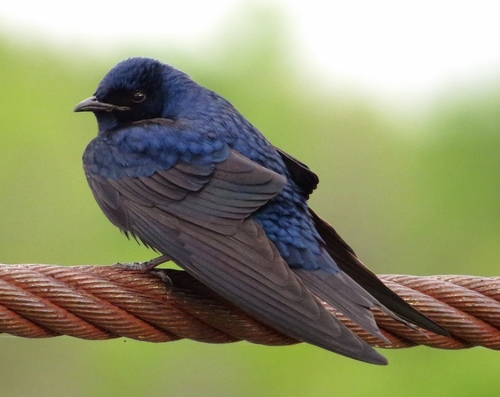
California, US
Hier kann man sehen Purple Martin, Acorn Woodpecker und Dunkelaugenjunko.
Führer anzeigen →
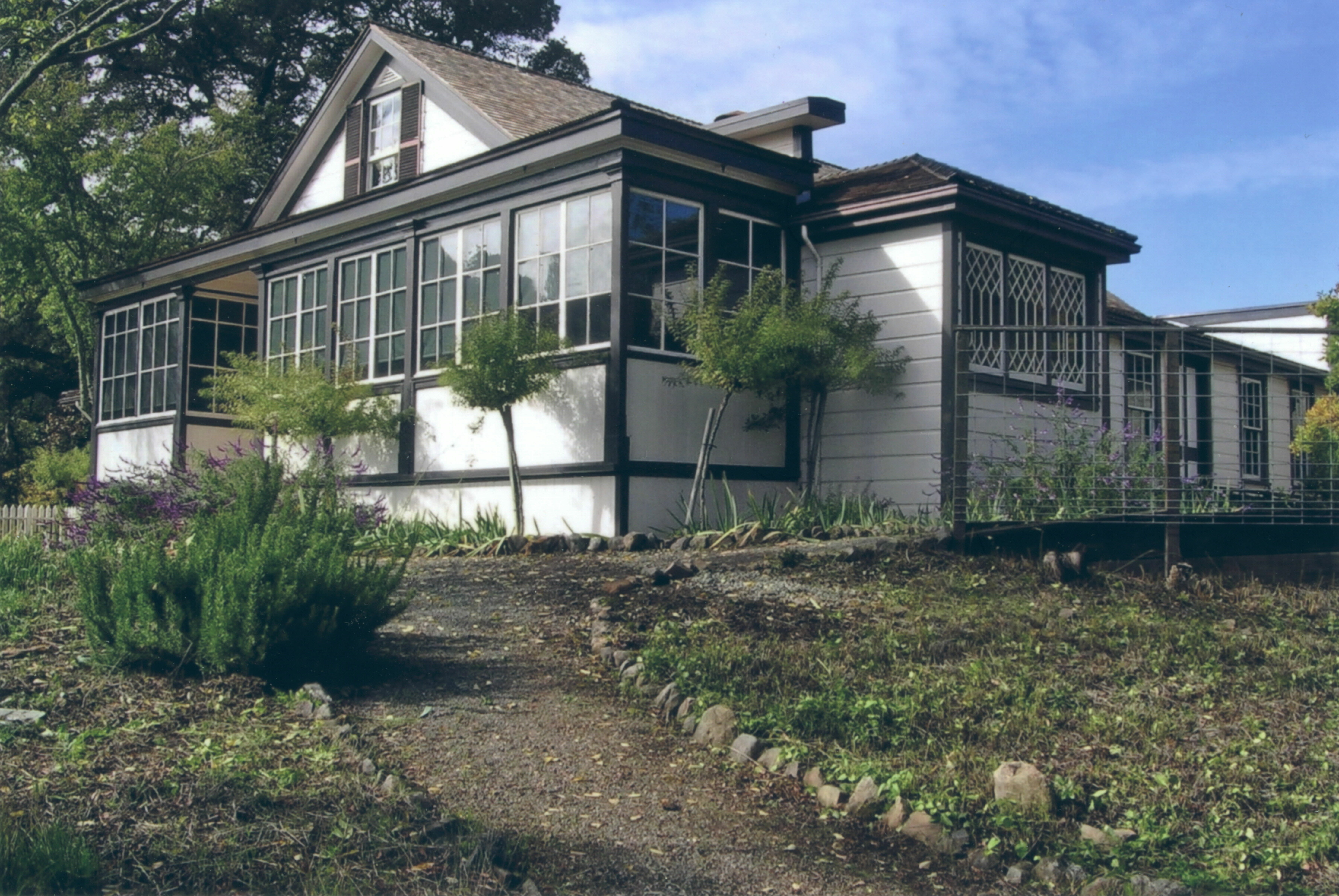
California, US
Hier kann man sehen Pacific Hound's Tongue und Pacific Trillium.
Führer anzeigen →














.jpg&width=800)