






Milkweed Tussock Moth
Euchaetes egle
The Milkweed Tussock Moth is a fuzzy caterpillar that loves to munch on milkweed plants. It turns into a beautiful moth with orange and black colors, making it easy to spot in gardens and fields.
Lebensraum: Fields and gardens
The Milkweed Tussock Moth has creamy white forewings and a vibrant orange-yellow body with small black spots on its thorax. Its striking caterpillar is covered in dense tufts of black, white, and orange hair, with a bright orange head and matching legs. This unique color combination makes it easily distinguishable.
Kategorie
InsektenSeltenheit
Common
Gefahr
2/5 · Gering
Snaps
Mach den ersten Snap!
Adult moths live only about a week, focusing entirely on laying eggs.
Birds quickly learn to avoid these colorful caterpillars because they taste absolutely awful!
These caterpillars are super picky, eating only milkweed leaves for all their meals!
Young Milkweed Tussock Moth caterpillars march together in huge, fuzzy groups!
Milkweed Tussock Moths can absorb toxins from milkweed plants, making them unappetizing or harmful to predators that try to eat them.
The moth's bright orange body and the caterpillar's flashy colors actively warn predators to stay away.
Milkweed Tussock Moth caterpillars possess stiff, dense hairs that provide physical defense against attackers.
As caterpillars, they eat milkweed leaves, which makes them taste yucky to predators.
Altersunterschiede: Adult moths rarely feed, focusing on reproduction; only the caterpillar stage eats host plants.

Asclepias syriaca
Caterpillars feed on its leaves.
Cyanocitta cristata
Jays quickly learn to avoid them.

Vespula maculifrons
Wasps can prey on small caterpillars.
Pelzig beschreibt Tiere, die eine dichte Schicht aus weichen Haaren oder Fell besitzen.
Einzelgänger leben den größten Teil ihres Lebens allein und interagieren mit Artgenossen nur zur Paarung oder zur Aufzucht der Jungen.
Beschreibt Pflanzen, die für eine Vielzahl von bestäubenden Organismen besonders attraktiv und nützlich sind.
Farbenfroh beschreibt Organismen oder Objekte, die eine große Vielfalt an leuchtenden und deutlich erkennbaren Farben aufweisen.

Grasland-Lebensräume sind terrestrische Biome, die von Gräsern und krautigen Pflanzen dominiert werden und einer Vielzahl von Weidetieren als Lebensraum dienen.

Dieses Merkmal kennzeichnet Lebewesen, deren Ernährung vollständig oder hauptsächlich aus pflanzlichem Material besteht.

Tagaktive Tiere sind hauptsächlich bei Tageslicht aktiv und ruhen oder schlafen in der Regel nachts.

Giftige Organismen enthalten Substanzen, die toxisch sind und bei Kontakt schädliche Auswirkungen haben können.

Dieses Lebensraummerkmal weist auf Arten hin, die in städtischen und vorstädtischen Umgebungen mit Menschen zusammenleben können und von Menschen geschaffene Strukturen sowie Grünflächen nutzen.

Beschreibt Organismen, die Pollen übertragen und so die Befruchtung und Fortpflanzung von Pflanzen ermöglichen.
Gefahr
2/5 · Gering
Don't touch the caterpillars, as their hairs can irritate your skin.
35-45 mm
15-20 mm
5-10 Tage
As caterpillars, they eat milkweed leaves, which makes them taste yucky to predators.
Fields and gardens
Foraging
6
Zoome hinein, um Cluster aufzulösen und zu sehen, wo dieses Objekt fotografiert wurde.
Neueste Snaps erscheinen hier, wenn neue Beobachtungen hinzukommen.
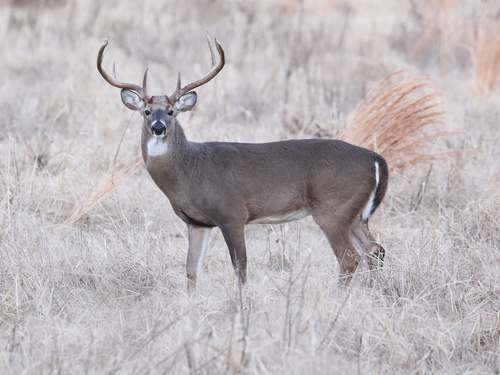
Michigan, US
Hier kann man sehen Weißwedelhirsch, Wild Bergamot und Truthuhn.
Führer anzeigen →

Michigan, US
Hier kann man sehen Large Maple Spanworm Moth und Truthuhn.
Führer anzeigen →
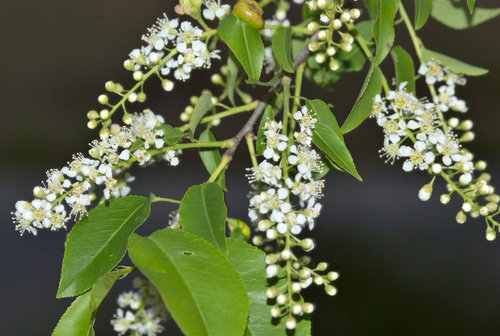
New York, US
Hier kann man sehen Späte Traubenkirsche.
Führer anzeigen →







.jpg&width=800)




