






Mining Bees
Andrena
Mining bees are small, fuzzy insects that love to dig in the ground. They are great pollinators and help flowers grow by spreading pollen.
Lebensraum: Urban areas
The Mining Bees are fuzzy, medium-sized bees often colored black, brown, or reddish, sometimes with pale striped abdomens. They have noticeable pollen-collecting hairs (scopae) on their hind legs or underside, distinguishing them from wasps. Their bodies are typically stout, making them look stockier than honey bees.
Kategorie
InsektenSeltenheit
Common
Gefahr
1/5 · Sehr gering
Snaps
Mach den ersten Snap!
Each female mining bee is a superhero single mom, building an entire nest all by herself.
Mining bees are incredible pollinators for many plants, even though they don't make honey.
Mining bees dig intricate tunnels underground, sometimes creating 'bee cities' in your lawn!
They are among the first bees to buzz around in spring, sometimes when it's still chilly!
Mining Bees can excavate complex burrows in the soil because of strong jaws and specialized legs that help them create nests.
Mining Bees have dense, branched hairs (scopae) that helps them collect and transport large amounts of pollen for their young.
Mining Bees are solitary and each female builds her own individual nest, because they don't live in a large colony.
Mining Bees can emerge very early in spring, because they are well-adapted to cooler temperatures, helping to pollinate early blooms.
Mining bees sip nectar for energy and gather pollen to feed their growing babies.
Malus domestica
Helps apple trees produce fruit in spring.
Salix caprea
Crucial early spring pollinator for willows.
Nomada goodeniana
Lays eggs in mining bee nests, stealing food.

Vespa crabro
Hornets may prey on adult mining bees.
Pelzig beschreibt Tiere, die eine dichte Schicht aus weichen Haaren oder Fell besitzen.
Einzelgänger leben den größten Teil ihres Lebens allein und interagieren mit Artgenossen nur zur Paarung oder zur Aufzucht der Jungen.
Beschreibt Pflanzen, die für eine Vielzahl von bestäubenden Organismen besonders attraktiv und nützlich sind.
Dieses Merkmal kennzeichnet Lebewesen, deren Ernährung vollständig oder hauptsächlich aus pflanzlichem Material besteht.

Beschreibt eine Art, deren Anwesenheit und Rolle einen unverhältnismäßig großen Einfluss auf ihre Umwelt haben.

Tagaktive Tiere sind hauptsächlich bei Tageslicht aktiv und ruhen oder schlafen in der Regel nachts.

Dieses Lebensraummerkmal weist auf Arten hin, die in städtischen und vorstädtischen Umgebungen mit Menschen zusammenleben können und von Menschen geschaffene Strukturen sowie Grünflächen nutzen.

Beschreibt Organismen, die Pollen übertragen und so die Befruchtung und Fortpflanzung von Pflanzen ermöglichen.
Noch keine Alternativnamen vorhanden.
Gefahr
1/5 · Sehr gering
Mining bees are usually safe, but it's best to watch them from a distance.
15-30 mm
8-17 mm
20-40 Tage
12 km/h
Mining bees sip nectar for energy and gather pollen to feed their growing babies.
Urban areas
Foraging
6
Zoome hinein, um Cluster aufzulösen und zu sehen, wo dieses Objekt fotografiert wurde.
Neueste Snaps erscheinen hier, wenn neue Beobachtungen hinzukommen.

British Columbia, CA
Hier kann man sehen Douglasie, Oregon Oak und Purple Foxglove.
Führer anzeigen →

Grand Est, FR
Hier kann man sehen Bachstelze, Haussperling und Hausmaus.
Führer anzeigen →

British Columbia, CA
Hier kann man sehen Common Bracken, Vanilla Leaf und Western Sword Fern.
Führer anzeigen →
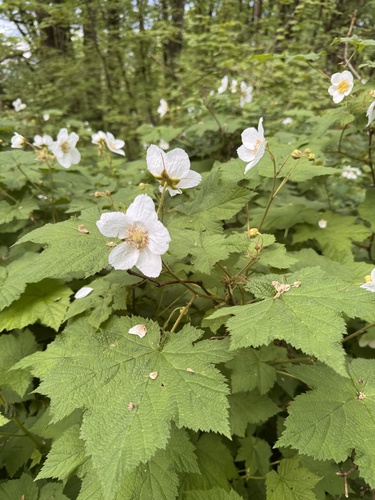
British Columbia, CA
Hier kann man sehen Thimbleberry, Western Redcedar und Red Osier Dogwood.
Führer anzeigen →

British Columbia, CA
Hier kann man sehen Western Toad, Nettles und Lady Fern.
Führer anzeigen →









_-_Gatineau_Park%2C_Quebec_2016-09-22_(02).jpg&width=800)




