multiflora rose
Rosa multiflora
Multiflora rose is a pretty plant with lots of small, colorful flowers. It grows in bushes and can be found in many places, making it a favorite for gardens and nature walks.
Lebensraum: Urban areas, fields, and gardens
The multiflora rose is a dense, arching shrub with thorny stems and clusters of small, five-petaled white or pale pink flowers. Unlike many garden roses, its flowers are abundant and grow in dense groups along the branches, followed by tiny, bright red hips.
Kategorie
PflanzenSeltenheit
Common
Gefahr
2/5 · Gering
Snaps
Mach den ersten Snap!
A single multiflora rose bush can produce millions of tiny seeds, spreading easily!
It was brought to North America to help control erosion and create 'living fences'!
Its bright red fruit, called hips, are a superfood for birds in winter!
Some people make tasty jams and teas from its rose hips!
Multiflora rose has sharp, hooked thorns that protect its stems and leaves from hungry animals.
This rose can grow incredibly fast, quickly covering open ground and outcompeting other plants for space.
Its small, bright red hips contain many seeds that birds eat and then scatter far and wide.
Turdus migratorius
Hips provide vital winter food for many bird species.
Apis mellifera
Bees and other insects gather nectar, aiding the plant's reproduction.
Cardinalis cardinalis
Dense, thorny thickets offer safe nesting and hiding places.
Odocoileus virginianus
Deer browse on the leaves, especially new growth.
Blütenpflanzen sind alle Pflanzen, die als Teil ihres Fortpflanzungszyklus Blüten bilden.
Laubabwerfende Pflanzen werfen regelmäßig all ihre Blätter ab, typischerweise im Herbst oder in Trockenzeiten.
Sommerblühende Pflanzen bringen ihre Blüten während der Sommersaison hervor und sorgen oft für leuchtende Farben, wenn viele andere Pflanzen bereits verblüht sind.
Ein Strauch ist eine verholzende Pflanze, die kleiner als ein Baum ist und typischerweise mehrere Stämme hat, die sich ab oder nahe dem Boden verzweigen.

Duftende Blüten verströmen ein angenehmes Aroma, oft um Bestäuber anzulocken oder zur Abwehr.

Beschreibt Pflanzen, die für eine Vielzahl von bestäubenden Organismen besonders attraktiv und nützlich sind.

Farbenfroh beschreibt Organismen oder Objekte, die eine große Vielfalt an leuchtenden und deutlich erkennbaren Farben aufweisen.

Schnellwachsende Pflanzen weisen eine beschleunigte Wachstumsrate auf und nehmen innerhalb kurzer Zeit schnell an Größe und Biomasse zu.

Dieses Lebensraummerkmal weist auf Arten hin, die in städtischen und vorstädtischen Umgebungen mit Menschen zusammenleben können und von Menschen geschaffene Strukturen sowie Grünflächen nutzen.

Invasive Arten sind gebietsfremde Organismen, die der Umwelt, der Wirtschaft oder der menschlichen Gesundheit schaden.
Gefahr
2/5 · Gering
Be careful when touching the plant, as it has thorns that can prick your skin.
300-500 cm
300-600 cm
1.5-4 cm
Late spring to early summer
Ja
Keine
Mehrjährig
Insekten
Zoome hinein, um Cluster aufzulösen und zu sehen, wo dieses Objekt fotografiert wurde.
Neueste Snaps erscheinen hier, wenn neue Beobachtungen hinzukommen.
.jpg)
Maryland, US
Hier kann man sehen Weißwedelhirsch und Japanese Knotweed.
Führer anzeigen →
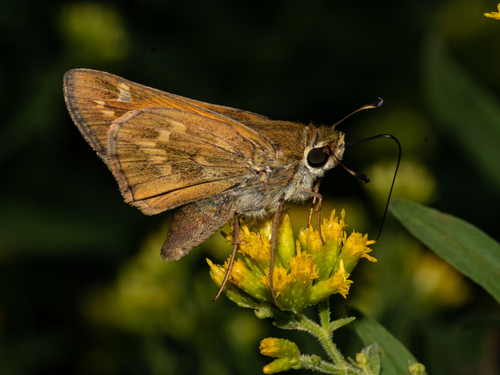
New Jersey, US
Hier kann man sehen Huron Skipper, Kanadareiher und Wanderdrossel.
Führer anzeigen →
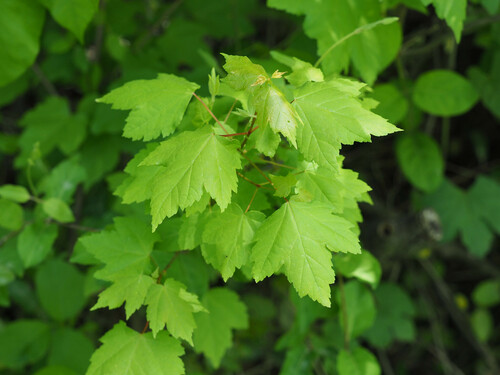
Virginia, US
Hier kann man sehen Rot-Ahorn, Spotted Lanternfly und Rotkardinal.
Führer anzeigen →

New York, US
Hier kann man sehen Common Dandelion, Red Deadnettle und Broad-Leaved Dock.
Führer anzeigen →

Virginia, US
Hier kann man sehen Summer Snowflake, Lesser Celandine und Mapleleaf Viburnum.
Führer anzeigen →
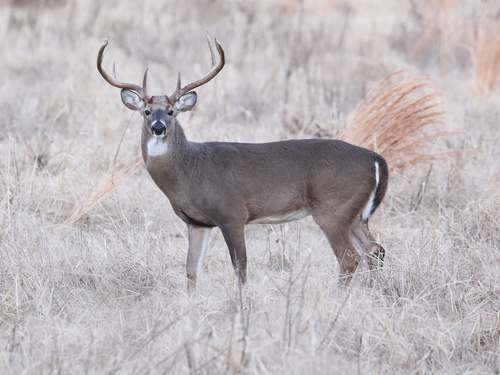
Pennsylvania, US
Hier kann man sehen Weißwedelhirsch, Kanadagans und Kanadareiher.
Führer anzeigen →