






Northern Crescent
Phyciodes cocyta
The Northern Crescent is a small butterfly with beautiful orange and black patterns on its wings. It loves to flutter around flowers and is often seen in sunny places during warm months.
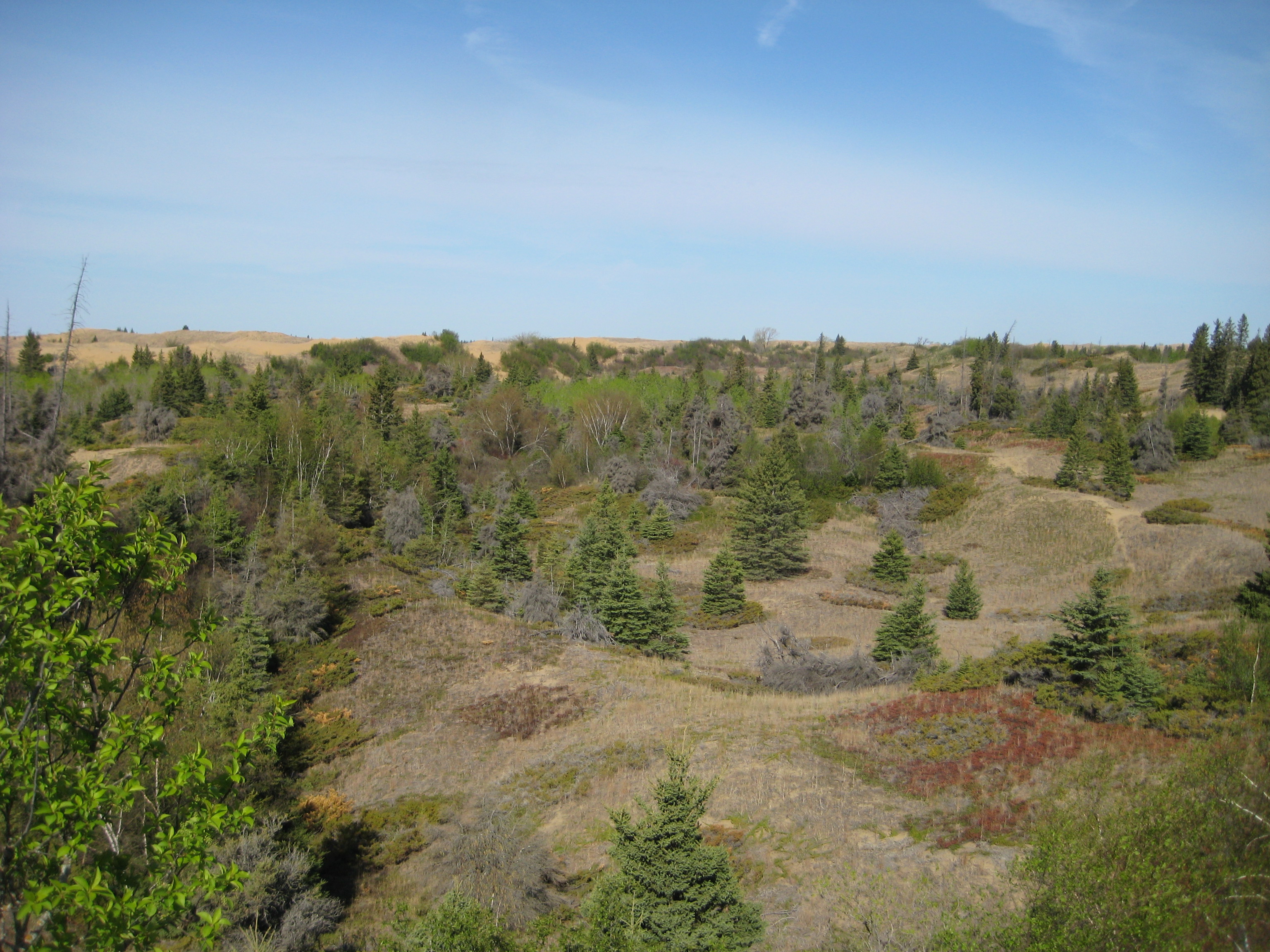
Lebensraum: Grasslands
The Northern Crescent has vibrant orange wings intricately patterned with black markings. A key feature is the dark, crescent-shaped spot on its hindwing underside. This butterfly's mottled orange and brown undersides allow it to blend seamlessly with its floral environment.
Kategorie
InsektenSeltenheit
Common
Gefahr
1/5 · Sehr gering
Snaps
Mach den ersten Snap!
Its wings are covered in tiny, overlapping scales, like a mosaic!
Northern Crescents taste their food using special sensors on their feet!
The caterpillar stage of this butterfly loves to munch on aster leaves.
They undergo a complete change from egg to caterpillar to adult butterfly.
Northern Crescent can quickly dart through meadows because of its light body and large wings, helping them escape predators.
Northern Crescent has a long, straw-like proboscis that helps them drink sweet nectar deeply from flowers.
Northern Crescent can blend into surroundings because of its mottled underside, which helps them hide from hungry birds.
Northern Crescent has special sensors on its feet that help them 'taste' plants for laying eggs.
Adults sip flower nectar for energy, while caterpillars feast on plant leaves.
Altersunterschiede: Caterpillars eat plant leaves, but adult butterflies drink flower nectar.
Cyanocitta cristata
often preys on adult butterflies.
.jpg&width=800)
Symphyotrichum novae-angliae
Caterpillars feed on its leaves.
Argiope aurantia
weaves webs to catch flying butterflies.
Echinacea purpurea
visits flowers to collect nectar.
Einzelgänger leben den größten Teil ihres Lebens allein und interagieren mit Artgenossen nur zur Paarung oder zur Aufzucht der Jungen.
Beschreibt Pflanzen, die für eine Vielzahl von bestäubenden Organismen besonders attraktiv und nützlich sind.
Farbenfroh beschreibt Organismen oder Objekte, die eine große Vielfalt an leuchtenden und deutlich erkennbaren Farben aufweisen.
Grasland-Lebensräume sind terrestrische Biome, die von Gräsern und krautigen Pflanzen dominiert werden und einer Vielzahl von Weidetieren als Lebensraum dienen.

Dieses Merkmal kennzeichnet Lebewesen, deren Ernährung vollständig oder hauptsächlich aus pflanzlichem Material besteht.

Tagaktive Tiere sind hauptsächlich bei Tageslicht aktiv und ruhen oder schlafen in der Regel nachts.

Beschreibt Organismen, die Pollen übertragen und so die Befruchtung und Fortpflanzung von Pflanzen ermöglichen.
Noch keine Alternativnamen vorhanden.
Gefahr
1/5 · Sehr gering
Butterflies are gentle creatures; watch them from a distance and don't touch.
32-45 mm
15-25 mm
7-14 Tage
Adults sip flower nectar for energy, while caterpillars feast on plant leaves.
Grasslands
Foraging
6
Zoome hinein, um Cluster aufzulösen und zu sehen, wo dieses Objekt fotografiert wurde.
Neueste Snaps erscheinen hier, wenn neue Beobachtungen hinzukommen.












.jpg&width=800)
