
.jpg&width=800)





Northern House Wren
Troglodytes aedon
The Northern House Wren is a small, cheerful bird that loves to sing! They build their nests in cozy places like birdhouses and tree holes, making them fun to watch.
Lebensraum: Urban areas
The Northern House Wren is a tiny, active bird with dull brown plumage over most of its body, often appearing grayish on the underside. It has faint barring on its wings and tail, a short, slightly upturned tail, and a slender, dark bill. This plain appearance helps it blend into its natural environment.
Kategorie
VögelSeltenheit
Common
Gefahr
1/5 · Sehr gering
Snaps
Mach den ersten Snap!
A male wren might build several 'dummy' nests for a female to choose her favorite from!
Despite their small size, these wrens often chase away much bigger birds from their territory.
House Wrens often reuse birdhouses or abandoned nests from other species to raise their families.
Their scientific name, 'Troglodytes', means 'cave-dweller,' referring to their love for cavities.
Northern House Wrens have a complex, bubbly song that helps them defend territory and attract mates.
Northern House Wrens can fill cavities with twigs, sometimes preventing other birds from nesting there.
Northern House Wrens can deftly forage for insects in dense vegetation, helping control pest populations.
These small birds are amazing insect hunters, snatching up tiny bugs to eat!
Felis catus
House wrens are common prey for cats.
Thamnophis sirtalis
Snakes can raid nests, eating eggs or chicks.
Araneus diadematus
Wrens actively hunt various spider species.
Manduca sexta
Caterpillars are a main food source, especially for young.
Gefiedert beschreibt Tiere, hauptsächlich Vögel, die ein Federkleid besitzen.
Soziale Tiere leben in organisierten Gruppen und kooperieren, um ihr Überleben zu sichern, beispielsweise bei der Nahrungssuche, Verteidigung und Aufzucht der Jungen.
Singende Tiere erzeugen komplexe Lautäußerungen, oft um Partner anzulocken, ihr Revier zu verteidigen oder innerhalb ihrer Art zu kommunizieren.
Dieses Merkmal kennzeichnet Organismen, deren Nahrung hauptsächlich aus Insekten und anderen kleinen Wirbellosen besteht.

Tagaktive Tiere sind hauptsächlich bei Tageslicht aktiv und ruhen oder schlafen in der Regel nachts.

Dieses Lebensraummerkmal weist auf Arten hin, die in städtischen und vorstädtischen Umgebungen mit Menschen zusammenleben können und von Menschen geschaffene Strukturen sowie Grünflächen nutzen.
Noch keine Alternativnamen vorhanden.
Gefahr
1/5 · Sehr gering
Enjoy watching birds from a distance and don't disturb their nests.
11-13 cm
12-18 cm
0.01-0.012 kg
2-7 Jahre
35 km/h
These small birds are amazing insect hunters, snatching up tiny bugs to eat!
Urban areas
Foraging
Zoome hinein, um Cluster aufzulösen und zu sehen, wo dieses Objekt fotografiert wurde.
Neueste Snaps erscheinen hier, wenn neue Beobachtungen hinzukommen.
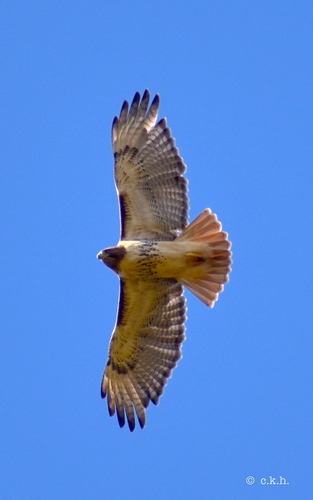
New Hampshire, US
Hier kann man sehen Rotschwanzbussard, Rotkardinal und Chipping Sparrow.
Führer anzeigen →

Minnesota, US
Hier kann man sehen Rue Anemone, Eastern Skunk Cabbage und Bloodroot.
Führer anzeigen →
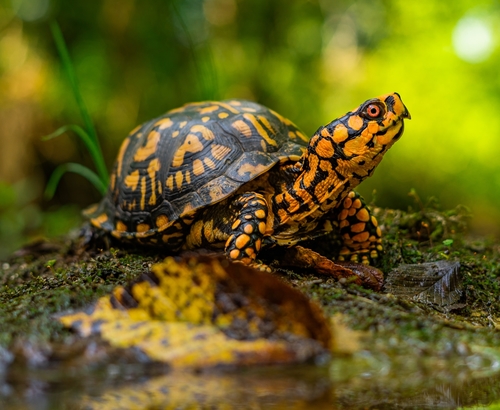
Virginia, US
Hier kann man sehen östliche Dosenschildkröte und Amerikanische Platane.
Führer anzeigen →
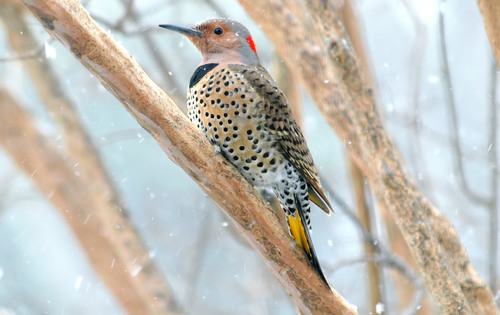
British Columbia, CA
Hier kann man sehen Goldspecht, Blauer Pfau und Red-Breasted Sapsucker.
Führer anzeigen →
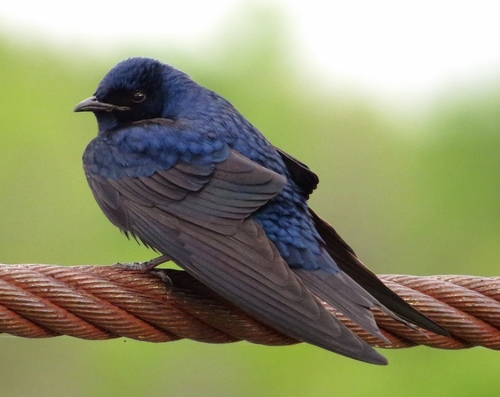
California, US
Hier kann man sehen Purple Martin, Acorn Woodpecker und Dunkelaugenjunko.
Führer anzeigen →
Michigan, US
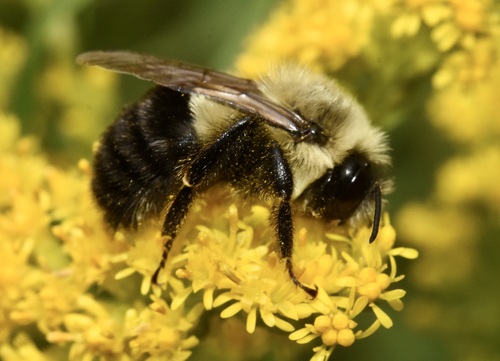
Hier kann man sehen Common Eastern Bumble Bee und Brown-Belted Bumble Bee.
Führer anzeigen →














