






Northern Pearly-eye
Lethe anthedon
The Northern Pearly-eye is a beautiful butterfly with big, round eyes on its wings. It loves to flutter around in sunny spots and can be found resting on tree trunks.
Lebensraum: Forests
The Northern Pearly-eye has dull brownish-orange wings, with males slightly darker than females. Its defining feature is a row of 3-4 prominent, black, white-ringed eyespots on each hindwing, resembling small pearls. These spots distinguish it from most other woodland butterflies.
Kategorie
InsektenSeltenheit
Common
Gefahr
1/5 · Sehr gering
Snaps
Mach den ersten Snap!
It loves to sip tree sap and juice from rotting fruit more than flower nectar!
Its caterpillar cleverly hides by rolling up the edges of grass blades.
Only found in North America, often seen fluttering through shady forests.
They are part of the "brush-footed" butterfly family, with tiny front legs!
Northern Pearly-eye has bold eyespots on its wings that help them startle predators, making them hesitate and giving the butterfly time to escape.
Northern Pearly-eye can blend seamlessly into its woodland home because its dull brown wings perfectly mimic dead leaves or tree bark.
Northern Pearly-eye can fly with quick, unpredictable zig-zags that make it very difficult for birds and other predators to catch them mid-air.
Adults sip tree sap and nectar, while caterpillars munch on various leafy grasses.
Altersunterschiede: Caterpillars eat grasses, while adults primarily feed on tree sap and rotting fruit.
Cyanocitta cristata
Birds prey on adult butterflies and caterpillars.

Peromyscus leucopus
Rodents may eat caterpillars and pupae found on the ground.
Poa pratensis
Caterpillars feed on leaves of various grasses, including this common species.
Acer saccharum
Adults often feed on fermenting sap from wounds in maple trees.
Mit Flecken oder farblich abgesetzten Bereichen gezeichnet.
Einzelgänger leben den größten Teil ihres Lebens allein und interagieren mit Artgenossen nur zur Paarung oder zur Aufzucht der Jungen.
Beschreibt Pflanzen, die für eine Vielzahl von bestäubenden Organismen besonders attraktiv und nützlich sind.
Farbenfroh beschreibt Organismen oder Objekte, die eine große Vielfalt an leuchtenden und deutlich erkennbaren Farben aufweisen.

Dieses Merkmal kennzeichnet Lebewesen, deren Ernährung vollständig oder hauptsächlich aus pflanzlichem Material besteht.

Waldlebensräume sind terrestrische Lebensräume, die von dichtem Baumbestand dominiert werden und eine große Vielfalt an Pflanzen- und Tierarten beherbergen.

Tagaktive Tiere sind hauptsächlich bei Tageslicht aktiv und ruhen oder schlafen in der Regel nachts.

Beschreibt Organismen, die Pollen übertragen und so die Befruchtung und Fortpflanzung von Pflanzen ermöglichen.
Noch keine Alternativnamen vorhanden.
Gefahr
1/5 · Sehr gering
Always watch butterflies from a distance and don't try to catch them.
45-60 mm
20-30 mm
7-21 Tage
8-20 km/h
Adults sip tree sap and nectar, while caterpillars munch on various leafy grasses.
Forests
Foraging
6
Zoome hinein, um Cluster aufzulösen und zu sehen, wo dieses Objekt fotografiert wurde.
Neueste Snaps erscheinen hier, wenn neue Beobachtungen hinzukommen.

Pennsylvania, US
Hier kann man sehen Weißwedelhirsch und Mile-A-Minute Weed.
Führer anzeigen →
Maryland, US
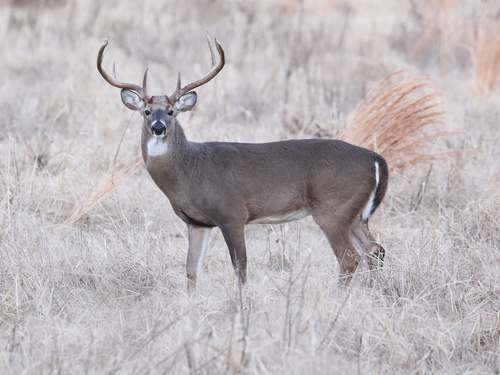
Hier kann man sehen Weißwedelhirsch, Oriental Bittersweet und Multiflora Rose.
Führer anzeigen →
.jpg)
Maryland, US
Hier kann man sehen Common Pawpaw, Huron Skipper und Orchard Orbweaver.
Führer anzeigen →











.jpg&width=800)


_Tipula_paludosa_on_Iris_leave.jpg&width=800)
