






Northern Rubber Boa
Charina bottae
The Northern Rubber Boa is a gentle snake that loves to hide under rocks and logs. It has smooth, rubbery skin and can be found slithering around in the wild, making it a special friend of nature.
Lebensraum: Forests
The Northern Rubber Boa is a small, stout snake with smooth, shiny scales that feel rubbery to the touch, ranging in color from olive green, tan, to various shades of brown. It has a distinctive small, blunt head and an equally blunt tail, often leading predators to confuse its tail for its head.
Kategorie
ReptilienSeltenheit
Common
Gefahr
1/5 · Sehr gering
Snaps
Mach den ersten Snap!
They are one of the most northern-ranging boas, able to live in surprisingly cool forest habitats!
This gentle snake gives birth to live babies instead of laying eggs, making them unique among many snakes!
Unlike most snakes that hiss, this boa sometimes makes a tiny clicking sound when startled!
When scared, it can release a smelly musky liquid to warn off predators and feel safe!
Northern Rubber Boa has a blunt tail that looks like its head, which helps them distract predators and escape danger.
Northern Rubber Boa can tightly constrict small prey with its strong body, which helps them capture and eat tiny animals.
Northern Rubber Boa can burrow easily underground because of its smooth scales, helping it hide from danger or ambush prey.
This gentle snake hunts small mammals and other creatures, using its strong body to squeeze them!
Peromyscus maniculatus
Main food source for the boa.
Buteo jamaicensis
A common aerial predator of boas.

Mustela frenata
An opportunistic mammalian predator.
Einzelgänger leben den größten Teil ihres Lebens allein und interagieren mit Artgenossen nur zur Paarung oder zur Aufzucht der Jungen.
Grabende Tiere heben Tunnel und Kammern im Erdboden aus und nutzen diese unterirdischen Strukturen als Unterschlupf, zur Jagd oder zur Fortpflanzung.
Dieses Merkmal kennzeichnet Organismen mit einer außergewöhnlich langen Lebensspanne im Vergleich zu anderen ihrer Art.
Waldlebensräume sind terrestrische Lebensräume, die von dichtem Baumbestand dominiert werden und eine große Vielfalt an Pflanzen- und Tierarten beherbergen.

Dieses Merkmal kennzeichnet Organismen, deren Ernährung vollständig oder hauptsächlich aus tierischem Gewebe besteht.

Nachtaktive Tiere sind hauptsächlich in den Nachtstunden aktiv und ruhen oder schlafen normalerweise tagsüber.
Noch keine Alternativnamen vorhanden.
Gefahr
1/5 · Sehr gering
If you see a snake, it's best to admire it from a distance and not touch it.
30-85 cm
0.08-0.25 kg
15-25 Jahre
0.6 km/h
This gentle snake hunts small mammals and other creatures, using its strong body to squeeze them!
0.5 km/h
Forests
Ambush
Zoome hinein, um Cluster aufzulösen und zu sehen, wo dieses Objekt fotografiert wurde.
Neueste Snaps erscheinen hier, wenn neue Beobachtungen hinzukommen.

British Columbia, CA
Hier kann man sehen American Dipper, Rotlachs und Ente.
Führer anzeigen →

British Columbia, CA
Hier kann man sehen Vine Maple, Orange Honeysuckle und Licorice Fern.
Führer anzeigen →
British Columbia, CA
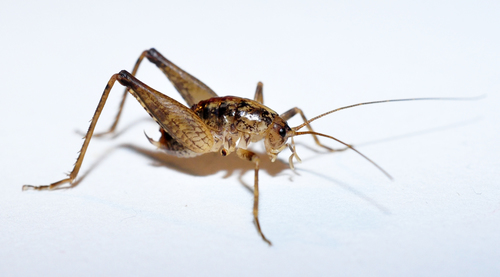
Hier kann man sehen Pristoceuthophilus Celatus und Western Rattlesnake Plantain.
Führer anzeigen →
















