






Orange-tipped Oakworm Moth
Anisota senatoria
The Orange-tipped Oakworm Moth is a colorful moth with bright orange tips on its wings. It loves to flutter around oak trees and is a fun sight to see in gardens and forests.
Lebensraum: Forests
The Orange-tipped Oakworm Moth has striking yellow-orange forewings with reddish-brown markings, including a distinct white spot near the center. Its hindwings are typically a plainer reddish-orange. The moth's head and fuzzy body are yellowish, making it visually distinct from many other moths.
Kategorie
InsektenSeltenheit
Common
Gefahr
1/5 · Sehr gering
Snaps
Mach den ersten Snap!
Adult moths do not have mouths to eat, living only on energy saved as caterpillars!
The spiky caterpillars often stand together in large, organized groups!
Their cocoons sometimes overwinter for two years before hatching!
This moth is part of the 'royal moth' family, known for bright colors and big sizes!
Orange-tipped Oakworm Moth caterpillars can eat tough oak leaves because of their strong mandibles that help them grow rapidly.
Orange-tipped Oakworm Moth pupae can stay underground for over a year, helping them survive harsh conditions.
Orange-tipped Oakworm Moths can smell chemicals released by female moths from far away, helping them find a mate.
Young caterpillars munch on oak leaves to grow; adult moths do not eat at all.
Altersunterschiede: Caterpillars are voracious leaf-eaters, but adult moths do not feed at all.
Quercus rubra
Its caterpillars feast on its leaves.
Sialia sialis
Birds eat the caterpillars and moths.
Apanteles anisotae
Lays eggs inside the caterpillar hosts.
Einzelgänger leben den größten Teil ihres Lebens allein und interagieren mit Artgenossen nur zur Paarung oder zur Aufzucht der Jungen.
Beschreibt Pflanzen, die für eine Vielzahl von bestäubenden Organismen besonders attraktiv und nützlich sind.
Farbenfroh beschreibt Organismen oder Objekte, die eine große Vielfalt an leuchtenden und deutlich erkennbaren Farben aufweisen.
Dieses Merkmal kennzeichnet Lebewesen, deren Ernährung vollständig oder hauptsächlich aus pflanzlichem Material besteht.

Waldlebensräume sind terrestrische Lebensräume, die von dichtem Baumbestand dominiert werden und eine große Vielfalt an Pflanzen- und Tierarten beherbergen.

Nachtaktive Tiere sind hauptsächlich in den Nachtstunden aktiv und ruhen oder schlafen normalerweise tagsüber.

Beschreibt Organismen, die Pollen übertragen und so die Befruchtung und Fortpflanzung von Pflanzen ermöglichen.
Noch keine Alternativnamen vorhanden.
Gefahr
1/5 · Sehr gering
Moths are generally safe, but it's best to watch them from a distance.
40-70 mm
20-30 mm
7-14 Tage
Young caterpillars munch on oak leaves to grow; adult moths do not eat at all.
Forests
Foraging
6
Zoome hinein, um Cluster aufzulösen und zu sehen, wo dieses Objekt fotografiert wurde.
Neueste Snaps erscheinen hier, wenn neue Beobachtungen hinzukommen.
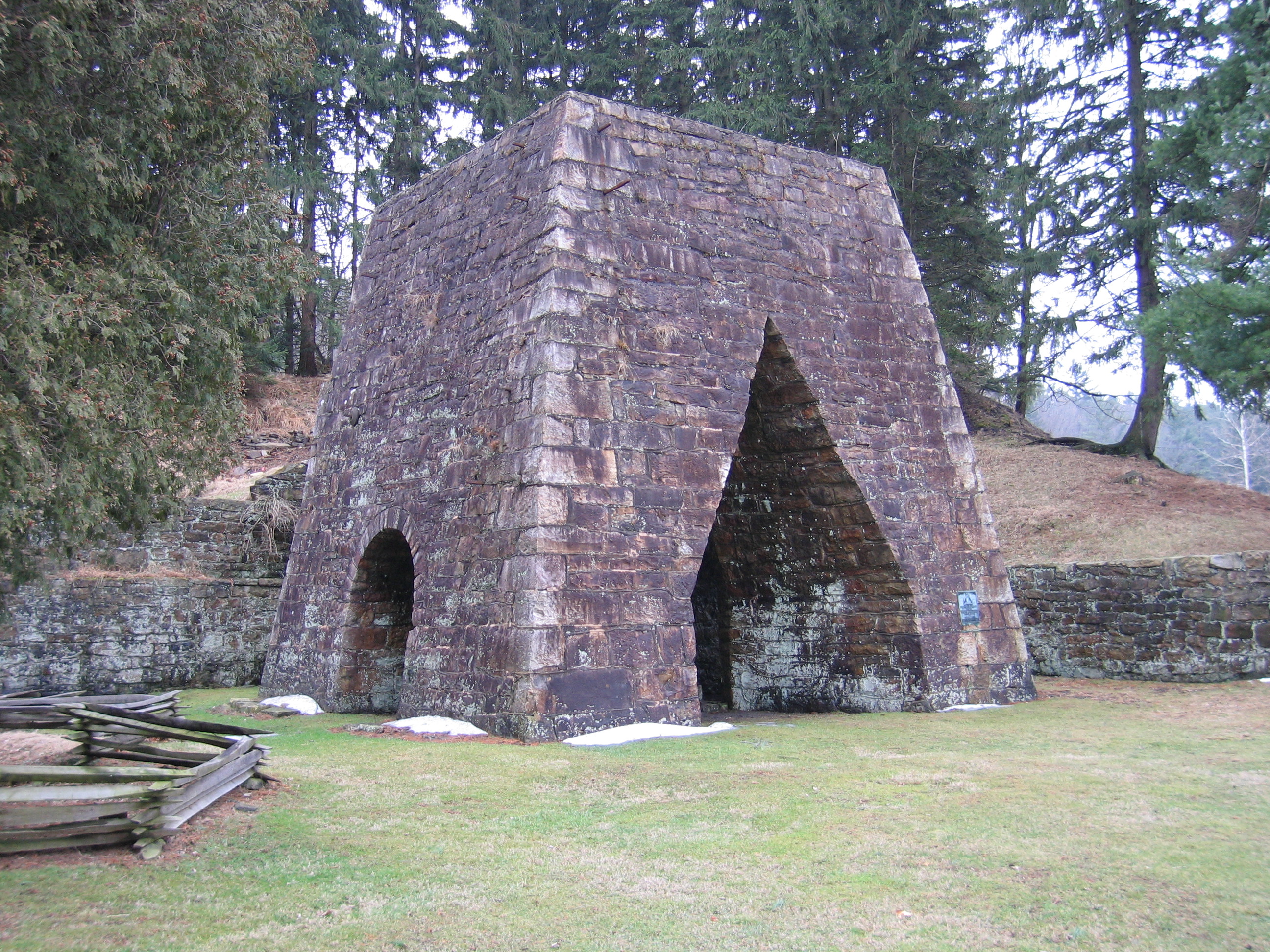
Pennsylvania, US
Hier kann man sehen Nordamerikanischer Ochsenfrosch und Allegheny Monkeyflower.
Führer anzeigen →
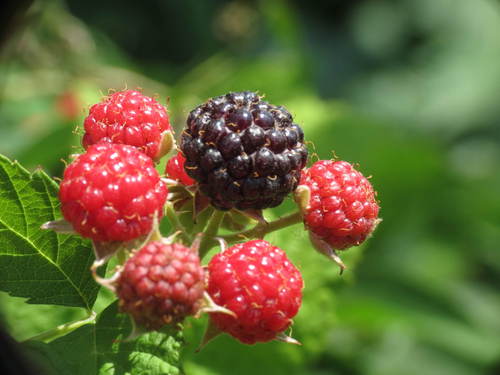
Virginia, US
Hier kann man sehen Brambles, Kanadischer Judasbaum und American Pokeweed.
Führer anzeigen →













_(9061417837).jpg&width=800)
