






Pacific Dampwood Termite
Zootermopsis angusticollis
The Pacific Dampwood Termite is a small insect that helps break down wood and recycle nutrients in the forest. They live in damp, decaying wood and are important for keeping the environment healthy.
Lebensraum: Forests
The Pacific Dampwood Termite is one of North America's largest termites, ranging from yellowish-brown to reddish-brown. Its body is robust, and soldiers have large, dark heads with strong mandibles. Winged reproductives are darker brown with prominent, clear wings.
Kategorie
InsektenSeltenheit
Common
Gefahr
1/5 · Sehr gering
Snaps
Mach den ersten Snap!
Termite queens can live for over a decade, laying thousands of eggs! Wow!
Termites use their own droppings to seal up tunnels and fix their homes! Wow!
They don't build nests in the soil, only inside damp wood! Wow!
This termite is the largest dampwood species in North America! Wow!
Pacific Dampwood Termite can digest tough wood because of special microbes in its gut that helps them break down cellulose.
Pacific Dampwood Termite has a special ability to live only in very damp wood that helps them find and create their nests.
Pacific Dampwood Termite soldiers have massive, dark mandibles that help them defend the colony from invaders like ants.
These termites eat decaying wood and plant fibers, thanks to tiny helpers in their gut!
Picoides pubescens
Drills into wood to find and eat termites.
Sceloporus occidentalis
Preys on swarming termite alates during flights.
Trichonympha campanula
Lives in the termite's gut, helping digest wood cellulose.
Soziale Tiere leben in organisierten Gruppen und kooperieren, um ihr Überleben zu sichern, beispielsweise bei der Nahrungssuche, Verteidigung und Aufzucht der Jungen.
Dieses Merkmal kennzeichnet Lebewesen, deren Ernährung vollständig oder hauptsächlich aus pflanzlichem Material besteht.
Waldlebensräume sind terrestrische Lebensräume, die von dichtem Baumbestand dominiert werden und eine große Vielfalt an Pflanzen- und Tierarten beherbergen.
Beschreibt Organismen, die totes organisches Material abbauen und Nährstoffe in das Ökosystem zurückführen.

Bezieht sich auf Arten, die deutlich kleiner sind als der Durchschnitt oder das Typische ihrer Art.

Beschreibt eine Art, deren Anwesenheit und Rolle einen unverhältnismäßig großen Einfluss auf ihre Umwelt haben.
Noch keine Alternativnamen vorhanden.
Gefahr
1/5 · Sehr gering
Termites are not harmful to people, but it's best to leave them in their homes.
30-40 mm
10-25 mm
365-1095 Tage
0.5-2 km/h
These termites eat decaying wood and plant fibers, thanks to tiny helpers in their gut!
Forests
Foraging
6
Zoome hinein, um Cluster aufzulösen und zu sehen, wo dieses Objekt fotografiert wurde.
Neueste Snaps erscheinen hier, wenn neue Beobachtungen hinzukommen.
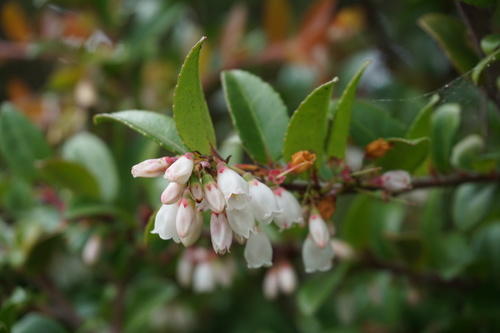
British Columbia, CA
Hier kann man sehen Evergreen Huckleberry, Salal und Pacific Madrone.
Führer anzeigen →
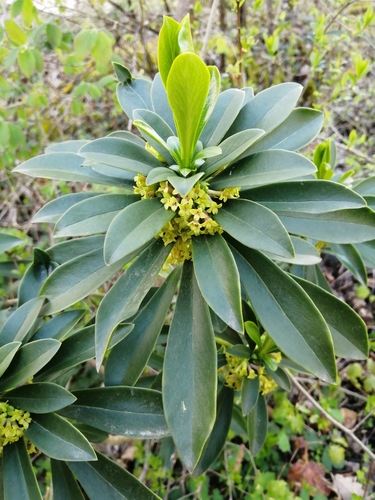
British Columbia, CA
Hier kann man sehen Spurge-Laurel, Mauereidechse und Western Skunk Cabbage.
Führer anzeigen →












.jpg&width=800)


