






Pacific ninebark
Physocarpus capitatus
The Pacific ninebark is a fun shrub with beautiful, peeling bark and lovely white flowers. It grows in clusters and is great for attracting butterflies and bees!
Lebensraum: Wetlands
The Pacific ninebark is a deciduous shrub with striking reddish-brown bark that peels away in papery layers. It features clusters of small, five-petaled white to pinkish flowers, often appearing fuzzy from numerous stamens. Its leaves are lobed, bright green, and turn yellow or bronze in autumn.
Kategorie
PflanzenSeltenheit
Common
Gefahr
1/5 · Sehr gering
Snaps
Mach den ersten Snap!
"Ninebark" refers to its amazing bark constantly peeling away in many thin, papery layers.
Even after its leaves fall, its beautiful exfoliating bark makes it interesting to look at all winter!
Its tough bark was traditionally woven into strong ropes and fishing nets by indigenous peoples!
This hardy shrub can thrive in both very wet soil and drier conditions once established.
Pacific ninebark has unique peeling bark that helps it shed moss and lichens, keeping its woody stems healthy and strong.
Its extensive root system allows Pacific ninebark to anchor soil firmly, helping it prevent erosion along stream banks.
The clusters of tiny white flowers on Pacific ninebark attract a wide variety of busy bees and other helpful pollinating insects.
Bombus bifarius
collects nectar and pollen
Apis mellifera
gathers nectar from its flowers
Odocoileus hemionus
browses its leaves and twigs
Troglodytes pacificus
nests in its dense branches
Blütenpflanzen sind alle Pflanzen, die als Teil ihres Fortpflanzungszyklus Blüten bilden.
Laubabwerfende Pflanzen werfen regelmäßig all ihre Blätter ab, typischerweise im Herbst oder in Trockenzeiten.
Blütenbüschel sind Blütenstände, bei denen einzelne Blüten dicht beieinander an einem gemeinsamen Stängel angeordnet sind.
Ein Strauch ist eine verholzende Pflanze, die kleiner als ein Baum ist und typischerweise mehrere Stämme hat, die sich ab oder nahe dem Boden verzweigen.

Duftende Blüten verströmen ein angenehmes Aroma, oft um Bestäuber anzulocken oder zur Abwehr.

Beschreibt Pflanzen, die für eine Vielzahl von bestäubenden Organismen besonders attraktiv und nützlich sind.

Dieses Lebensraummerkmal kennzeichnet Arten, die in Feuchtgebieten vorkommen. Dies sind Landflächen, die dauerhaft oder saisonal mit Wasser gesättigt sind, darunter Marschland, Sümpfe und Moore.
Noch keine Alternativnamen vorhanden.
Gefahr
1/5 · Sehr gering
Always stay on paths when exploring nature and don't touch plants without asking an adult.
100-600 cm
100-500 cm
0.5-1.5 cm
Late spring to early summer
Nein
Keine
Mehrjährig
Insekten
Zoome hinein, um Cluster aufzulösen und zu sehen, wo dieses Objekt fotografiert wurde.
Neueste Snaps erscheinen hier, wenn neue Beobachtungen hinzukommen.

British Columbia, CA
Hier kann man sehen Western Skunk Cabbage, Devil's Club und Pacific Ninebark.
Führer anzeigen →
British Columbia, CA
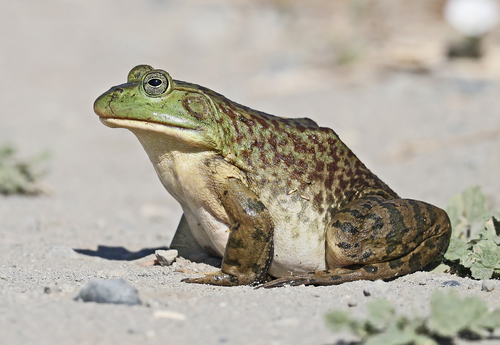
Hier kann man sehen Nordamerikanischer Ochsenfrosch und Salal.
Führer anzeigen →


















