






Pacific Sideband
Monadenia fidelis
The Pacific Sideband is a colorful snail that lives in damp places. It has a beautiful shell with stripes and loves to munch on leaves and plants.
Lebensraum: Forests
The Pacific Sideband is a large, colorful land snail with a shell typically ranging from yellow to dark brown, often featuring a distinct reddish-brown band along its outer edge. Its soft body is usually dark grey to black, contrasting with the vibrant, often glossy shell. Unlike many common snails, its shell is particularly striking in its varied coloration.
Kategorie
InvertebrateSeltenheit
Common
Gefahr
1/5 · Sehr gering
Snaps
Mach den ersten Snap!
It builds its shell from calcium it finds in the dirt and rocks!
Its incredible slime trail helps it stick to surfaces, even upside down!
The Pacific Sideband's shell color and band can change based on its diet!
This snail can live for several years, slowly exploring its forest home.
Pacific Sideband can glide across rough surfaces because it secretes a slimy mucus trail that helps it move and stay hydrated.
Pacific Sideband has a sturdy, spiral shell that helps it hide from predators and protect its soft body from damage.
Pacific Sideband can survive dry periods by retreating into its shell and sealing the opening, waiting for wetter conditions.
Pacific Sideband can build and repair its strong shell because it extracts calcium from the soil and its diet.
This snail enjoys munching on decaying plants and fungi, helping to recycle nutrients!
Peromyscus maniculatus
Rodents crack open snail shells for a meal.
Turdus migratorius
Birds often smash snail shells on rocks to eat them.
Thamnophis sirtalis
Snakes are known to prey on slow-moving snails.
Gekennzeichnet durch parallele Farbstreifen oder -linien.
Einzelgänger leben den größten Teil ihres Lebens allein und interagieren mit Artgenossen nur zur Paarung oder zur Aufzucht der Jungen.
Farbenfroh beschreibt Organismen oder Objekte, die eine große Vielfalt an leuchtenden und deutlich erkennbaren Farben aufweisen.
Dieses Merkmal kennzeichnet Lebewesen, deren Ernährung vollständig oder hauptsächlich aus pflanzlichem Material besteht.

Waldlebensräume sind terrestrische Lebensräume, die von dichtem Baumbestand dominiert werden und eine große Vielfalt an Pflanzen- und Tierarten beherbergen.

Beschreibt Organismen, die totes organisches Material abbauen und Nährstoffe in das Ökosystem zurückführen.

Nachtaktive Tiere sind hauptsächlich in den Nachtstunden aktiv und ruhen oder schlafen normalerweise tagsüber.
Noch keine Alternativnamen vorhanden.
Gefahr
1/5 · Sehr gering
Be gentle if you see a snail, and don't pick it up unless you have permission!
25-45 mm
1095-1825 Tage
This snail enjoys munching on decaying plants and fungi, helping to recycle nutrients!
Forests
Foraging
0
Zoome hinein, um Cluster aufzulösen und zu sehen, wo dieses Objekt fotografiert wurde.
Neueste Snaps erscheinen hier, wenn neue Beobachtungen hinzukommen.

British Columbia, CA
Hier kann man sehen Herb Robert, Western Redcedar und Thimbleberry.
Führer anzeigen →
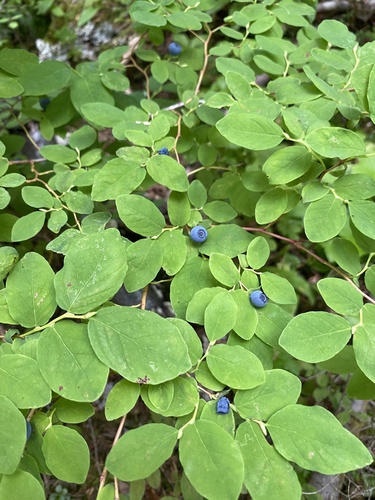
British Columbia, CA
Hier kann man sehen Oval-Leaf Blueberry und Columbia Lily.
Führer anzeigen →
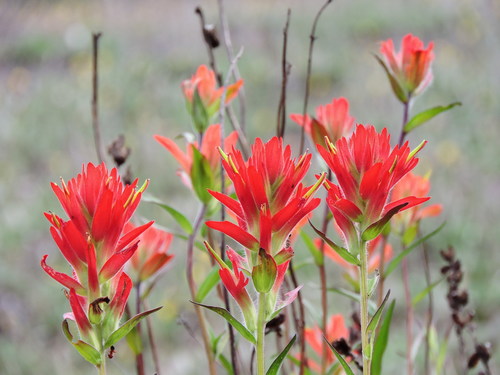
British Columbia, CA
Hier kann man sehen Giant Red Paintbrush, Lupines und Broadleaf Arnica.
Führer anzeigen →





.JPG&width=800)








