Pacific Stubby Rose Anemone
urtibrina clandestina
The Pacific Stubby Rose Anemone is a colorful sea creature that loves to dance with the waves! Its soft tentacles sway gracefully underwater, making it a beautiful sight to see.
Lebensraum: Pacific Ocean, typically found in rocky crevices and coral reefs.
The Pacific Stubby Rose Anemone has a stout, column-like body with a wide oral disc, typically appearing in shades of reddish-brown or pink. Its many short, stubby tentacles are arranged in dense rings, giving it a compact, rose-like or cauliflower-like texture, distinct from other long-tentacled anemones.
Kategorie
InvertebrateSeltenheit
Common
Gefahr
1/5 · Sehr gering
Snaps
Mach den ersten Snap!
Anemones are animals, but they look like colorful, soft underwater flowers!
If cut in half, some anemones can grow into two separate animals!
Some anemones can actually slide along rocks very slowly to find a better spot.
They don't have a brain or heart, yet they can still eat, grow, and react.
Pacific Stubby Rose Anemone has a strong, disc-shaped foot that helps them anchor firmly to rocks, resisting powerful waves and currents.
Pacific Stubby Rose Anemone can sting prey using special cells on its tentacles to catch small organisms swimming too close.
Pacific Stubby Rose Anemone can regrow lost parts because of its simple body structure, helping it survive injuries from predators.
They snatch small critters swimming by using their tentacles, stinging and pulling them into their mouths!
Dermasterias imbricata
A sea star that feeds on various invertebrates, including anemones.
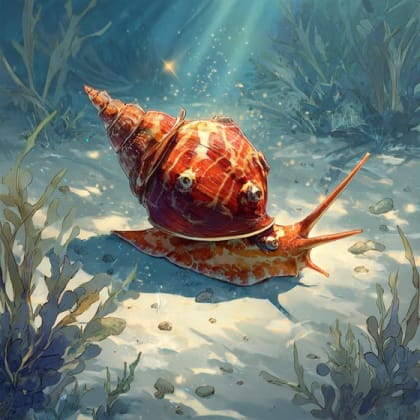
Aeolidia papillosa
A sea slug specialized in preying on sea anemones, including this one.
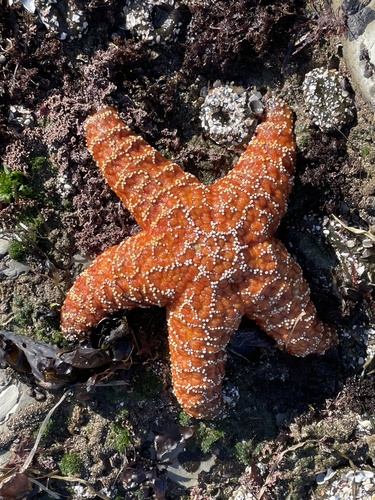
Pisaster ochraceus
A common sea star that consumes anemones and other sessile organisms.
Einzelgänger leben den größten Teil ihres Lebens allein und interagieren mit Artgenossen nur zur Paarung oder zur Aufzucht der Jungen.
Farbenfroh beschreibt Organismen oder Objekte, die eine große Vielfalt an leuchtenden und deutlich erkennbaren Farben aufweisen.
Filtrierer nehmen Nährstoffe auf, indem sie schwebende Nahrungspartikel und kleine Organismen aus dem Wasser filtern.
Aquatische Lebensräume umfassen Umgebungen, in denen Organismen überwiegend im Wasser leben, darunter Ozeane, Flüsse, Seen und Feuchtgebiete.

Marine Lebensräume umfassen alle Salzwasserumgebungen der Ozeane der Erde und beherbergen eine immense Vielfalt an Wasserlebewesen.
Gefahr
1/5 · Sehr gering
Noch keine besonderen Sicherheitshinweise.
2-5 cm
1-4 cm
5-20 Jahre
They snatch small critters swimming by using their tentacles, stinging and pulling them into their mouths!
Pacific Ocean, typically found in rocky crevices and coral reefs.
Ambush
50-100
Zoome hinein, um Cluster aufzulösen und zu sehen, wo dieses Objekt fotografiert wurde.
Neueste Snaps erscheinen hier, wenn neue Beobachtungen hinzukommen.