






Pale Swallowtail
Papilio eurymedon
The Pale Swallowtail is a beautiful butterfly with yellow and black wings. It loves to flutter around flowers and can be seen in gardens and meadows during warm days.
Lebensraum: Gardens and meadows
The Pale Swallowtail has creamy white to pale yellow wings strikingly marked with bold black stripes. Its hindwings feature distinctive, short black 'tails' and often a small, blue and orange eyespot, differentiating it from similar, yellower swallowtails.
Kategorie
InsektenSeltenheit
Common
Gefahr
1/5 · Sehr gering
Snaps
Mach den ersten Snap!
Male Pale Swallowtails often fly to the very top of hills to find a mate!
The 'swallowtail' name comes from the little tail-like shapes on their hindwings!
They are one of the most common swallowtail butterflies found in western North America!
When threatened, their caterpillar shoots out a stinky, orange 'fork' from its head!
The Pale Swallowtail has a long proboscis (a straw-like tongue) that helps them reach sweet nectar deep inside flowers.
Pale Swallowtails can fly quickly and erratically because of their large, powerful wings, that helps them escape from danger.
Pale Swallowtails can taste plants with their feet because they have chemoreceptors there, which helps them find the perfect spot to lay eggs.
Adult butterflies drink flower nectar, while caterpillars munch on leaves from special plants.
Altersunterschiede: Larvae (caterpillars) eat leaves, while adults exclusively feed on liquid nectar from flowers.
Frangula californica
Caterpillars feed on its leaves.
Ceanothus integerrimus
A primary host plant for its caterpillars.
Achillea millefolium
Adults visit its flowers for nectar.

Pica pica
Birds can prey on adult butterflies.
Soziale Tiere leben in organisierten Gruppen und kooperieren, um ihr Überleben zu sichern, beispielsweise bei der Nahrungssuche, Verteidigung und Aufzucht der Jungen.
Beschreibt Pflanzen, die für eine Vielzahl von bestäubenden Organismen besonders attraktiv und nützlich sind.
Farbenfroh beschreibt Organismen oder Objekte, die eine große Vielfalt an leuchtenden und deutlich erkennbaren Farben aufweisen.
Dieses Merkmal kennzeichnet Lebewesen, deren Ernährung vollständig oder hauptsächlich aus pflanzlichem Material besteht.

Dieses Merkmal kennzeichnet Lebewesen, die bei der Jagd, Flucht oder Fortbewegung eine außergewöhnliche Schnelligkeit aufweisen.

Tagaktive Tiere sind hauptsächlich bei Tageslicht aktiv und ruhen oder schlafen in der Regel nachts.

Beschreibt Organismen, die Pollen übertragen und so die Befruchtung und Fortpflanzung von Pflanzen ermöglichen.
Noch keine Alternativnamen vorhanden.
Gefahr
1/5 · Sehr gering
Always watch butterflies from a distance so they feel safe and happy.
70-100 mm
30-40 mm
10-20 Tage
20 km/h
Adult butterflies drink flower nectar, while caterpillars munch on leaves from special plants.
Gardens and meadows
Foraging
6
Zoome hinein, um Cluster aufzulösen und zu sehen, wo dieses Objekt fotografiert wurde.
Neueste Snaps erscheinen hier, wenn neue Beobachtungen hinzukommen.

Washington, US
Hier kann man sehen Westlicher Zaunleguan und Maultierhirsch.
Führer anzeigen →

British Columbia, CA
Hier kann man sehen Weißkopfseeadler, Harlequin Duck und Barrow's Goldeneye.
Führer anzeigen →

Washington, US
Hier kann man sehen Oregon Oak, Pacific Madrone und Fairy-Slipper.
Führer anzeigen →

British Columbia, CA
Hier kann man sehen Western Sword Fern, Cascade Oregon-Grape und Ocean Spray.
Führer anzeigen →

British Columbia, CA
Hier kann man sehen Thimbleberry, Canadian Buffalo-Berry und Oregon Grape.
Führer anzeigen →
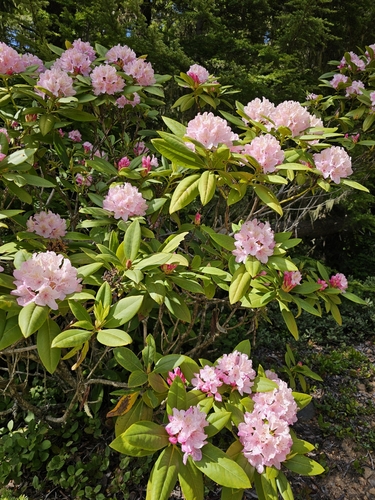
British Columbia, CA
Hier kann man sehen Pacific Rhododendron, Vanilla Leaf und Pacific Trillium.
Führer anzeigen →











