.jpg&width=800)





Palm Warbler
Setophaga palmarum
The Palm Warbler is a small, cheerful bird that loves to hop around on the ground. With its bright yellow belly and cute little tail, it’s a fun sight to see in gardens and parks!
Lebensraum: Wetlands
The Palm Warbler is a small songbird with brownish-olive upperparts and pale yellow underparts streaked with brown. Its most distinguishing features are its bright yellow undertail coverts and a rich chestnut cap on breeding males, making it stand out visually.
Kategorie
VögelSeltenheit
Common
Gefahr
1/5 · Sehr gering
Snaps
Mach den ersten Snap!
Palm Warblers are champion tail-waggers, constantly bobbing their tails up and down!
Some Palm Warblers travel over 3,000 miles from chilly Canada to warm Caribbean beaches!
They often nest directly on the ground, cleverly hidden among moss and grass!
This warbler got its name because it was first spotted in a palm grove!
Palm Warbler can travel thousands of kilometers because of its strong wings and efficient flight, helping it find food in different climates.
Palm Warbler has a slender, pointed bill that helps it skillfully pluck insects from leaves and air, ensuring a rich diet.
Palm Warbler can switch its diet from insects to berries because of its flexible foraging strategy, helping it survive seasonal food changes.
This energetic bird enjoys a meal of insects, especially during breeding, and tasty berries in winter.

Accipiter striatus
A small raptor that preys on songbirds like the warbler.
Thamnophis sirtalis
Ground-nesting birds and their young can be vulnerable.
Culex pipiens
Eats various insect species, including mosquitoes, for protein.
Vaccinium corymbosum
Consumes berries, especially during migration and winter.
Gefiedert beschreibt Tiere, hauptsächlich Vögel, die ein Federkleid besitzen.
Soziale Tiere leben in organisierten Gruppen und kooperieren, um ihr Überleben zu sichern, beispielsweise bei der Nahrungssuche, Verteidigung und Aufzucht der Jungen.
Singende Tiere erzeugen komplexe Lautäußerungen, oft um Partner anzulocken, ihr Revier zu verteidigen oder innerhalb ihrer Art zu kommunizieren.
Farbenfroh beschreibt Organismen oder Objekte, die eine große Vielfalt an leuchtenden und deutlich erkennbaren Farben aufweisen.

Dieses Merkmal kennzeichnet Organismen, deren Nahrung hauptsächlich aus Insekten und anderen kleinen Wirbellosen besteht.

Dieses Lebensraummerkmal kennzeichnet Arten, die in Feuchtgebieten vorkommen. Dies sind Landflächen, die dauerhaft oder saisonal mit Wasser gesättigt sind, darunter Marschland, Sümpfe und Moore.

Tagaktive Tiere sind hauptsächlich bei Tageslicht aktiv und ruhen oder schlafen in der Regel nachts.

Wandertiere unternehmen saisonale Wanderungen von einer Region in eine andere, meist als Reaktion auf Klimaänderungen oder Nahrungsverfügbarkeit.
Noch keine Alternativnamen vorhanden.
Gefahr
1/5 · Sehr gering
Always watch birds from a distance and don’t try to touch them.
12-14 cm
20-23 cm
0.009-0.015 kg
2-5 Jahre
35 km/h
This energetic bird enjoys a meal of insects, especially during breeding, and tasty berries in winter.
Wetlands
Foraging
Zoome hinein, um Cluster aufzulösen und zu sehen, wo dieses Objekt fotografiert wurde.
Neueste Snaps erscheinen hier, wenn neue Beobachtungen hinzukommen.

Illinois, US
Hier kann man sehen Brautente, Rotschulterstärling und Ente.
Führer anzeigen →
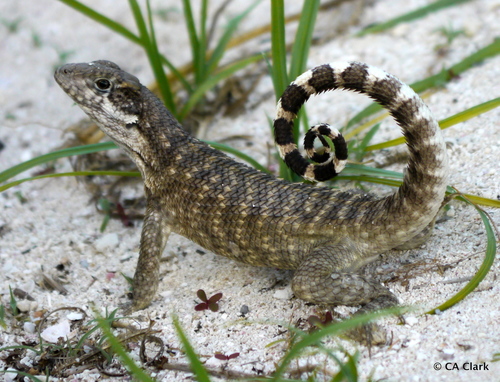
Florida, US
Hier kann man sehen Northern Curly-Tailed Lizard und Grüner Leguan.
Führer anzeigen →
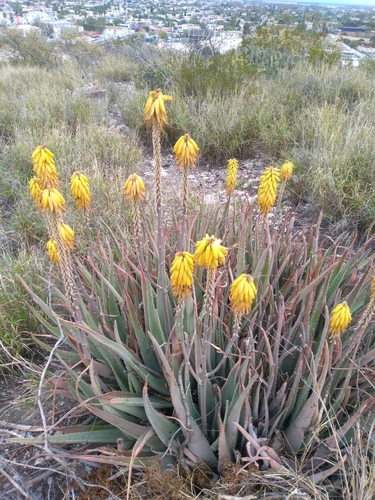
Florida, US
Hier kann man sehen Aloe Vera, Taiwanese Rain Tree und Spineless Yucca.
Führer anzeigen →

New York, US
Hier kann man sehen Common Mugwort und White Snakeroot.
Führer anzeigen →
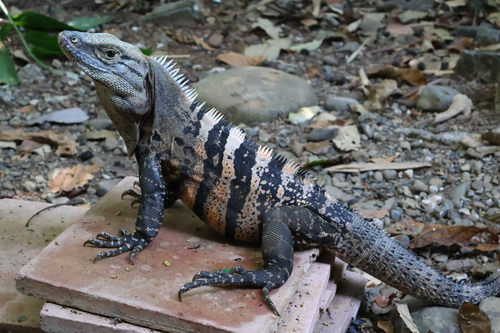
Florida, US
Hier kann man sehen Black Spiny-Tailed Iguana, Brauner Anolis und Sea Grape.
Führer anzeigen →
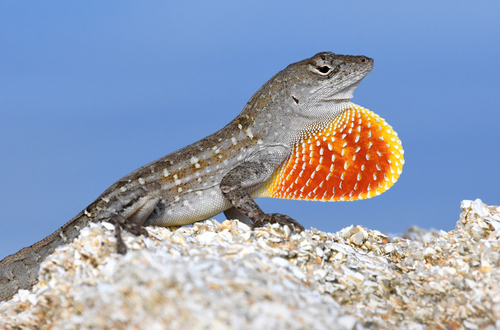
Florida, US
Hier kann man sehen Brauner Anolis, Southern Live Oak und Resurrection Fern.
Führer anzeigen →