Paper mulberry
Broussonetia papyrifera
The paper mulberry tree is a tall tree with big, heart-shaped leaves. It's known for its soft bark that can be used to make paper and other crafts. This tree is fun to explore and can grow in many places!
Lebensraum: Urban areas
The Paper mulberry has large, variable leaves, often lobed or heart-shaped, with a fuzzy texture and bright green color. Its bark is smooth, pale gray-brown, developing shallow fissures with age. In summer, it produces distinctive red-orange, spherical fruits that resemble spiky gumdrops.
Kategorie
PflanzenSeltenheit
Common
Gefahr
1/5 · Sehr gering
Snaps
Mach den ersten Snap!
Before paper, ancient people used its bark to make super strong clothes and even currency!
Its leaves can come in many different shapes on the *same* tree, like a magic shapeshifter!
The Paper mulberry makes a sweet, juicy fruit that looks like a spiky red lollipop!
This tough tree is one of the fastest growing in the world, sometimes over 3 meters in a year!
Paper mulberry can quickly grow and spread, colonizing new areas rapidly thanks to its aggressive root system and ability to sprout easily from cuttings.
Paper mulberry has a remarkable ability to thrive in poor soils and disturbed sites, acting as a pioneer species that helps other plants grow later.
Paper mulberry can produce strong, fibrous bark that humans have used for millennia to make durable paper and textiles.
Bombyx mori
Larvae feed on the leaves.
Sturnus vulgaris
Disperses seeds after eating the fruit.
Macaca mulatta
Macaques consume the fruits.
Blütenpflanzen sind alle Pflanzen, die als Teil ihres Fortpflanzungszyklus Blüten bilden.
Laubabwerfende Pflanzen werfen regelmäßig all ihre Blätter ab, typischerweise im Herbst oder in Trockenzeiten.
Schattenverträgliche Pflanzen sind an das Wachstum und Gedeihen in Bereichen mit wenig Licht angepasst und benötigen weniger direkte Sonneneinstrahlung.
Laubbäume sind Bedecktsamer, die sich durch flache, breite Blätter auszeichnen, welche in gemäßigten Klimazonen typischerweise jährlich abgeworfen werden.

Dieses Merkmal der menschlichen Nutzung kennzeichnet Arten, die Naturfasern liefern, welche vom Menschen für Textilien, Seile, Papier und andere hergestellte Güter verwendet werden.

Schnellwachsende Pflanzen weisen eine beschleunigte Wachstumsrate auf und nehmen innerhalb kurzer Zeit schnell an Größe und Biomasse zu.

Dieses Lebensraummerkmal weist auf Arten hin, die in städtischen und vorstädtischen Umgebungen mit Menschen zusammenleben können und von Menschen geschaffene Strukturen sowie Grünflächen nutzen.
Noch keine Alternativnamen vorhanden.
Gefahr
1/5 · Sehr gering
Be careful not to climb too high in trees, and always ask an adult for help.
500-2000 cm
300-1000 cm
1-8 cm
Spring to early Summer
Ja
Keine
Mehrjährig
Wind
Zoome hinein, um Cluster aufzulösen und zu sehen, wo dieses Objekt fotografiert wurde.
Neueste Snaps erscheinen hier, wenn neue Beobachtungen hinzukommen.
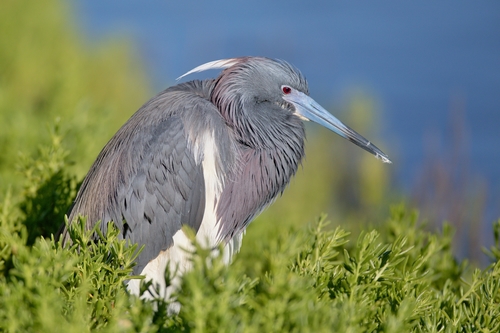
Florida, US
Hier kann man sehen Tricolored Heron, Roseate Spoonbill und Wood Stork.
Führer anzeigen →

Mississippi, US
Hier kann man sehen Prairie Nymph, Slender Vervain und Whitemouth Dayflower.
Führer anzeigen →