






parsnipflower buckwheat
Eriogonum heracleoides
Parsnipflower buckwheat is a lovely flower that grows in the wild. It has small, white flowers that look like tiny stars and can be found in sunny places.
Lebensraum: Grasslands
The parsnipflower buckwheat is a low-growing plant with woolly, grey-green leaves often clustered at the base. Its creamy to yellow flowers grow in dense, umbrella-shaped clusters atop upright stems, making it quite distinctive in dry, open habitats.
Kategorie
PflanzenSeltenheit
Common
Gefahr
1/5 · Sehr gering
Snaps
Mach den ersten Snap!
Indigenous peoples sometimes used parts of related buckwheat plants for traditional medicines.
It's a favorite snack for deer, who munch on its leaves and stems in the wild!
Its scientific name, *Eriogonum*, means 'woolly knee,' referring to the fuzzy joints on some species.
Many tiny flowers gather together to form one big, showy bloom, attracting lots of bees!
Parsnipflower buckwheat has fuzzy leaves and a deep taproot that help it store water and survive in very dry, rocky places.
This plant can grow directly in bright sunlight, even reflecting some rays with its light-colored, woolly leaves to stay cool.
Apis mellifera
Gathers nectar and pollen from its tiny flowers.
Bombus bifarius
An important native pollinator in its range.
Odocoileus hemionus
Grazes on its leaves, especially when other food is scarce.
Blütenpflanzen sind alle Pflanzen, die als Teil ihres Fortpflanzungszyklus Blüten bilden.
Blütenbüschel sind Blütenstände, bei denen einzelne Blüten dicht beieinander an einem gemeinsamen Stängel angeordnet sind.
Sommerblühende Pflanzen bringen ihre Blüten während der Sommersaison hervor und sorgen oft für leuchtende Farben, wenn viele andere Pflanzen bereits verblüht sind.
Trockenheitstolerante Pflanzen können unter Bedingungen mit begrenzter Wasserverfügbarkeit überleben und gedeihen.

Beschreibt Pflanzen, die für eine Vielzahl von bestäubenden Organismen besonders attraktiv und nützlich sind.

Essbare Pflanzen sind diejenigen Pflanzenteile, die für den menschlichen Verzehr als unbedenklich gelten.

Grasland-Lebensräume sind terrestrische Biome, die von Gräsern und krautigen Pflanzen dominiert werden und einer Vielzahl von Weidetieren als Lebensraum dienen.
Noch keine Alternativnamen vorhanden.
Gefahr
1/5 · Sehr gering
Always look but don't touch wild flowers, as some can be harmful.
15-60 cm
30-90 cm
0.2-0.5 cm
Late spring to late summer
Nein
Keine
Mehrjährig
Insekten
Zoome hinein, um Cluster aufzulösen und zu sehen, wo dieses Objekt fotografiert wurde.
Neueste Snaps erscheinen hier, wenn neue Beobachtungen hinzukommen.

British Columbia, CA
Hier kann man sehen Yellow-Bellied Marmot, Rubber Rabbitbrush und Siberian Elm.
Führer anzeigen →
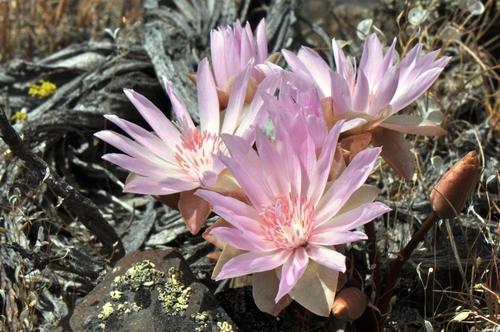
British Columbia, CA
Hier kann man sehen Bitterroot, Arrowleaf Balsamroot und Western Stoneseed.
Führer anzeigen →
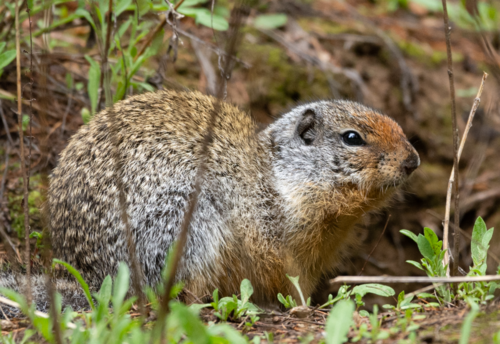
British Columbia, CA
Hier kann man sehen Columbian Ground Squirrel und Spotted Knapweed.
Führer anzeigen →
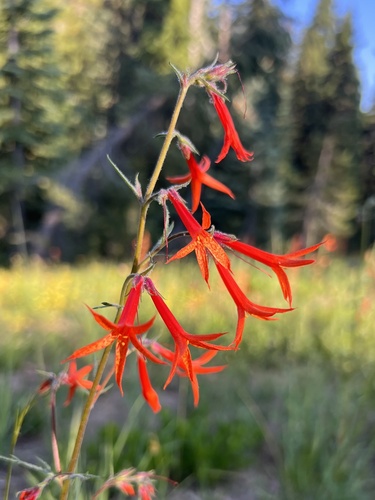
British Columbia, CA
Hier kann man sehen Scarlet Gilia, Great Blanketflower und Solomon's Plume.
Führer anzeigen →




.jpg&width=800)









