


Plains Hognose Snake
Heterodon nasicus
The Plains Hognose Snake is a fun and friendly snake that loves to dig in the sand. It has a special upturned nose that helps it burrow and find food. When scared, it can puff up and play dead to trick its enemies!
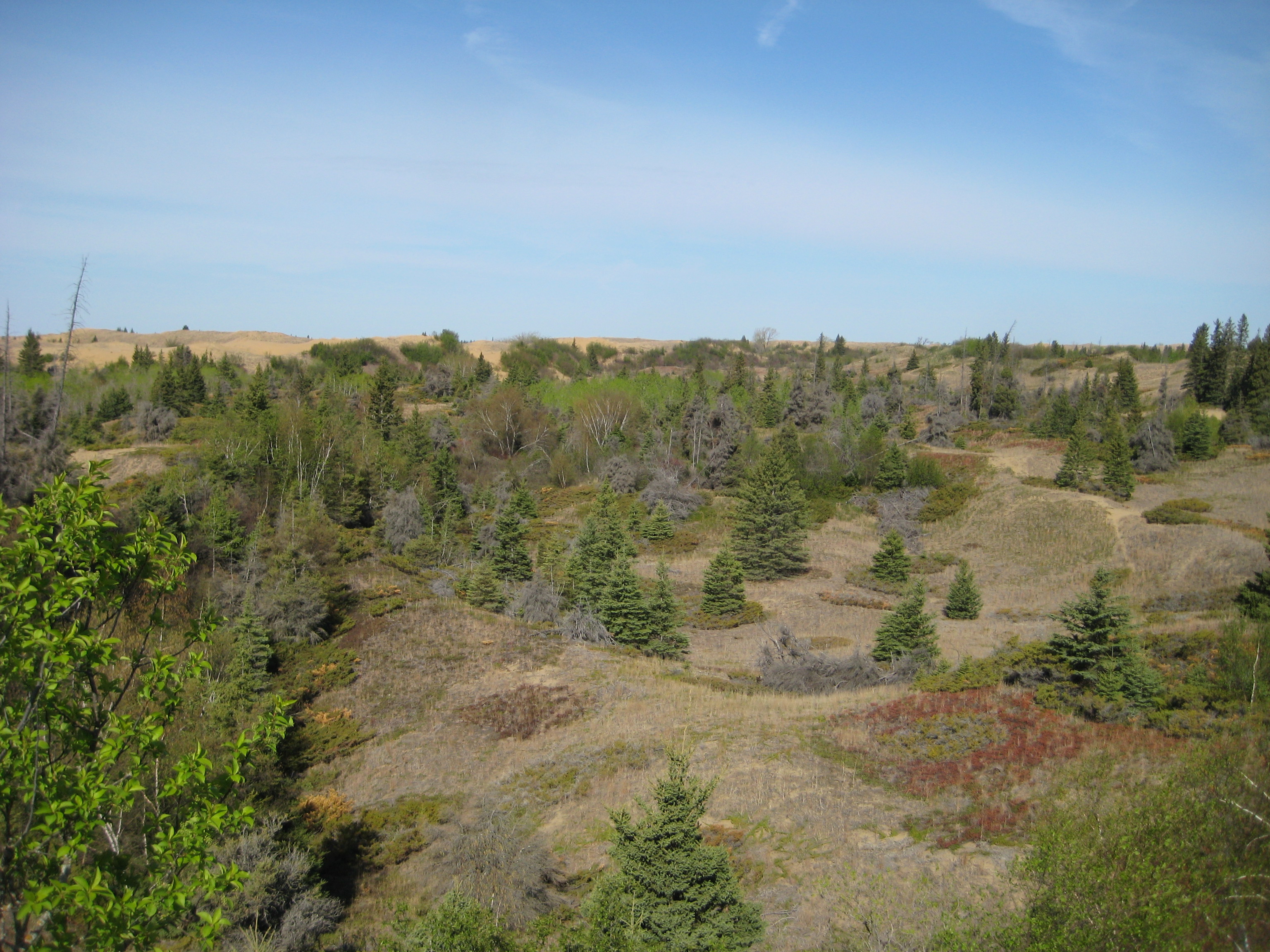
Lebensraum: Grasslands
The Plains Hognose Snake has a stout body, typically light brown, tan, or gray, with dark, rounded blotches down its back. Its most distinct feature is an upturned, shovel-like snout that aids in digging. Its underside is usually lighter, often speckled.
Kategorie
ReptilienSeltenheit
Common
Gefahr
1/5 · Sehr gering
Snaps
Mach den ersten Snap!
Their scales are keeled, meaning they feel rough, not smooth!
They can burrow backwards into soft sand using strong muscles in seconds!
They expertly eat toxic toads that most other animals avoid!
When playing dead, they release a musky smell to convince predators!
Plains Hognose Snake can burrow quickly because of its specialized, upturned nose that acts like a tiny shovel.
Plains Hognose Snake can fool predators by rolling over and playing dead, making them seem less appealing.
Plains Hognose Snake can flatten its neck like a cobra, appearing bigger and more threatening.
Plains Hognose Snake can subdue toxic toads using mild, rear-fanged venom that aids digestion.
This snake mainly eats amphibians like toads and frogs, often digging them out of their hiding spots.

Anaxyrus woodhousii
A primary food source for the snake.
Buteo jamaicensis
A common avian predator of these snakes.

Taxidea taxus
Preys on snakes it unearths while digging.
Canis latrans
Opportunistically preys on snakes.
Einzelgänger leben den größten Teil ihres Lebens allein und interagieren mit Artgenossen nur zur Paarung oder zur Aufzucht der Jungen.
Aasfresser ernähren sich von toter organischer Substanz und helfen dabei, Kadaver und andere Abfälle im Ökosystem abzubauen.
Getarnt beschreibt Organismen, die über eine Färbung oder Musterung verfügen, durch die sie mit ihrer Umgebung verschmelzen.
Grabende Tiere heben Tunnel und Kammern im Erdboden aus und nutzen diese unterirdischen Strukturen als Unterschlupf, zur Jagd oder zur Fortpflanzung.

Grasland-Lebensräume sind terrestrische Biome, die von Gräsern und krautigen Pflanzen dominiert werden und einer Vielzahl von Weidetieren als Lebensraum dienen.

Dieses Merkmal kennzeichnet Organismen, deren Ernährung vollständig oder hauptsächlich aus tierischem Gewebe besteht.
Noch keine Alternativnamen vorhanden.
Gefahr
1/5 · Sehr gering
If you see a snake, it's best to watch from a distance and not touch it.
38-75 cm
0.05-0.2 kg
8-12 Jahre
5 km/h
This snake mainly eats amphibians like toads and frogs, often digging them out of their hiding spots.
Grasslands
Foraging
4-23
Zoome hinein, um Cluster aufzulösen und zu sehen, wo dieses Objekt fotografiert wurde.
Neueste Snaps erscheinen hier, wenn neue Beobachtungen hinzukommen.