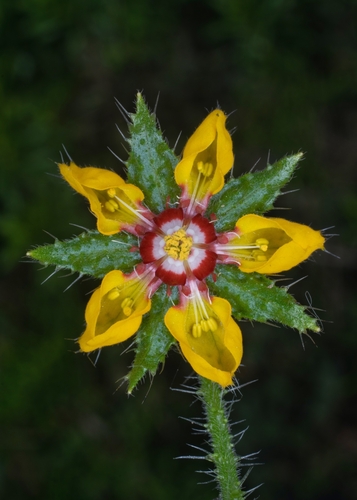


Plants
plantae
Plants are the silent, green architects of our planet, forming the vital foundation of almost all terrestrial life. Through the incredible process of photosynthesis, they capture energy from the sun to convert water and carbon dioxide into oxygen and life-sustaining carbohydrates. From towering redwood trees that pierce the clouds to humble mosses hugging damp stone, plants exhibit an astonishing diversity of forms, colors, and survival strategies, adapting to almost every environment on Earth.
Lebensraum: Found across almost all global environments, including lush rainforests, arid deserts, alpine peaks, and shallow aquatic systems.
Plants display an immense variety of shapes and sizes, usually distinguished by their green coloration from chlorophyll, though they can exhibit vibrant displays of reds, yellows, and purples in their leaves, flowers, and fruits. They range from tiny, low-growing herbs and mosses to massive woody trees with complex branching systems. Identifying features include roots anchored below ground, sturdy stems or trunks, broad or needle-like leaves, and uniquely shaped reproductive flowers or cones.
Kategorie
PflanzenSeltenheit
Common
Gefahr
1/5 · Sehr gering
Snaps
Mach den ersten Snap!
Plants can detect vibrations from chewing pests and respond by increasing the production of toxic or foul-tasting chemical defenses.
Some plants are carnivorous, having evolved traps to capture and digest insects in order to survive in nutrient-poor soils.
The world's largest organism is a single clonal colony of Quaking Aspen trees in Utah, known as Pando, which weighs over 6,000 tons.
Utilizing chlorophyll to absorb sunlight, converting solar energy, water, and carbon dioxide into vital sugars and releasing oxygen.
Releasing airborne volatile organic compounds to warn neighboring plants of herbivore attacks or attract beneficial predatory insects.
Forming underground symbiotic relationships with fungi to exchange carbohydrates for essential soil nutrients and moisture.
Plants primarily produce their own food using sunlight, water, and carbon dioxide through photosynthesis, supplemented by minerals absorbed from the soil.
Altersunterschiede: Seedlings initially rely on stored nutrients in their seeds before developing leaves to generate their own food via photosynthesis.
Apis mellifera
Provides nectar and pollen for nourishment while relying on the insect for pollination and genetic reproduction.
Glomus intraradices
Secures water and essential minerals from the fungus in exchange for plant-synthesized sugars.
Odocoileus virginianus
Acts as a primary food source, with foliage and stems being grazed by herbivores.
Für dieses Objekt sind noch keine Merkmal-Badges vergeben.
Noch keine Alternativnamen vorhanden.
Sammlungen für dieses Objekt erscheinen hier, wenn weitere Themen hinzugefügt werden.
Gefahr
1/5 · Sehr gering
Noch keine besonderen Sicherheitshinweise.
Der einfachste Weg, Plants zu bestimmen, ist die Verwendung der Naturführer-App Snappit.
1-11500 cm
0.0001-2000000 kg
1-5000 Jahre
Plants primarily produce their own food using sunlight, water, and carbon dioxide through photosynthesis, supplemented by minerals absorbed from the soil.
Found across almost all global environments, including lush rainforests, arid deserts, alpine peaks, and shallow aquatic systems.
Zoome hinein, um Cluster aufzulösen und zu sehen, wo dieses Objekt fotografiert wurde.
Neueste Snaps erscheinen hier, wenn neue Beobachtungen hinzukommen.



_Euphorbia_seguieriana_-_inflorecences_-_Jardin_Botanique_Henri_GAUSSEN.jpg&width=800)




_Echeveria_secunda.jpg&width=800)



.JPG&width=800)

