






plums, cherries, and allies
Prunus
Plums and cherries are delicious fruits that grow on trees. They come in many colors, like red, purple, and yellow, and are sweet and juicy, perfect for snacks!
Lebensraum: Forests
The plums, cherries, and allies are typically trees or shrubs with smooth bark, often exfoliating in strips. They have simple, serrated leaves and produce beautiful white or pink five-petaled flowers, usually in clusters. Their distinct fruits are fleshy drupes, appearing in vibrant reds, purples, yellows, or oranges.
Kategorie
PflanzenSeltenheit
Common
Gefahr
1/5 · Sehr gering
Snaps
Mach den ersten Snap!
Ancient Romans cultivated cherries and plums, spreading them across their empire!
Cherry wood is highly prized for making beautiful furniture and musical instruments.
Many cherry and plum pits contain a small amount of a cyanide compound.
The Prunus genus includes over 400 different kinds of trees and shrubs worldwide!
Plums, cherries, and allies produce delicious, sugary fruits that attract animals to eat them, spreading seeds far and wide.
Plums, cherries, and allies have leaves and seeds containing cyanide compounds, protecting them from hungry herbivores.
Plums, cherries, and allies often bloom very early in spring, giving them a head start on pollination before other plants.
Apis mellifera
Collects nectar and pollen, aiding reproduction.
Turdus migratorius
Feasts on ripe cherries, helping disperse seeds.
Rhagoletis indifferens
Larvae develop inside cherry fruits.
Ursus americanus
Enjoys sweet plums and cherries in season.
Blütenpflanzen sind alle Pflanzen, die als Teil ihres Fortpflanzungszyklus Blüten bilden.
Laubabwerfende Pflanzen werfen regelmäßig all ihre Blätter ab, typischerweise im Herbst oder in Trockenzeiten.
Frühlingsblüher bilden ihre Blüten im Frühjahr und kündigen oft das Ende des Winters und den Beginn neuen Wachstums an.
Fruchttragende Pflanzen produzieren Früchte, also die reifen Fruchtknoten von Blütenpflanzen, die Samen enthalten.

Heilpflanzen besitzen chemische Verbindungen, die für therapeutische Zwecke zur Behandlung von Krankheiten oder zur Erhaltung der Gesundheit eingesetzt werden können.
Ein Obstbaum ist ein mehrjähriger Baum, der Früchte trägt, die für Menschen oder Tiere essbar sind.

Essbare Pflanzen sind diejenigen Pflanzenteile, die für den menschlichen Verzehr als unbedenklich gelten.

Waldlebensräume sind terrestrische Lebensräume, die von dichtem Baumbestand dominiert werden und eine große Vielfalt an Pflanzen- und Tierarten beherbergen.
Gefahr
1/5 · Sehr gering
Always wash fruits before eating them to keep them clean and safe.
100-1500 cm
50-1000 cm
1-3 cm
Frühling
Ja
Leicht
Mehrjährig
Insekten
Zoome hinein, um Cluster aufzulösen und zu sehen, wo dieses Objekt fotografiert wurde.
Neueste Snaps erscheinen hier, wenn neue Beobachtungen hinzukommen.
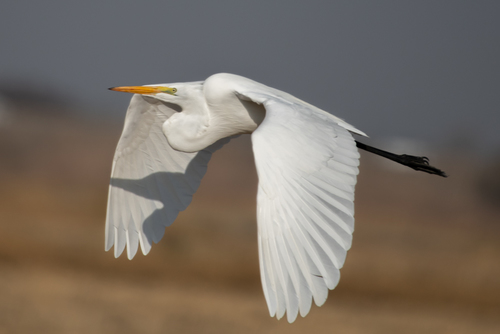
New Jersey, US
Hier kann man sehen Great Egret, Weymouth-Kiefer und Haircap Moss.
Führer anzeigen →
.jpg)
Ústí nad Labem Region, CZ
Hier kann man sehen Buntspecht und Red-Crested Pochard.
Führer anzeigen →
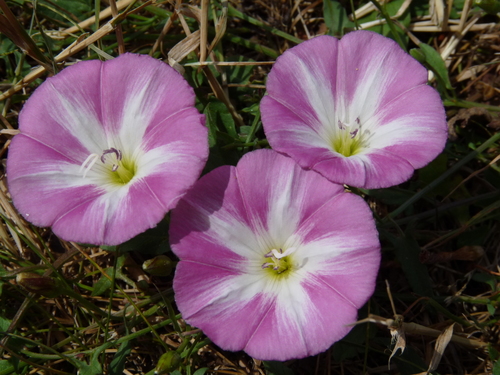
California, US
Hier kann man sehen Field Bindweed, White Clover und Lesser Goldfinch.
Führer anzeigen →
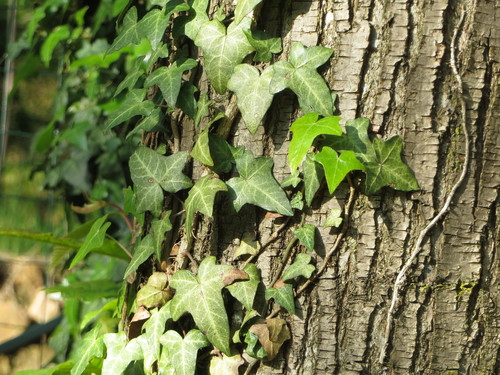
Oregon, US
Hier kann man sehen Ivy, Plums, Cherries, and Allies und Tree-Of-Heaven.
Führer anzeigen →












