






Porcelain Gray
protoboarmia porcelaria
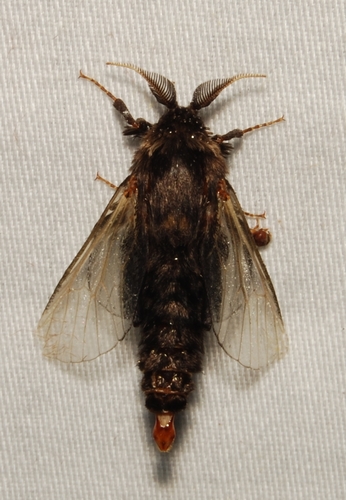
The Porcelain Gray is a tiny, delicate insect that flutters gracefully among the flowers. Its beautiful gray wings look like fine porcelain, making it a special sight in gardens!
Lebensraum: Porcelain Grays live in gardens, meadows, and open fields where flowers bloom.
The Porcelain Gray is a small moth, typically pale to dark gray with subtle wavy lines across its wings. Its name comes from the smooth, almost porcelain-like texture, helping it blend perfectly with tree bark. This cryptic coloration makes it hard to spot.
Kategorie
InsektenSeltenheit
Common
Gefahr
0/5 · Keine bekannte Gefahr
Snaps
Mach den ersten Snap!
Adult Porcelain Grays can only sip liquids like nectar, they can't chew solid food!
Its caterpillars are called inchworms because they loop their bodies to walk, like measuring!
Some close relatives of this moth have bright green wings, not gray at all!
This moth can fly and be spotted even on chilly nights, unlike many other insects!
Porcelain Gray can disappear against tree bark because its mottled gray wings perfectly mimic lichen, helping them hide from predators.
Porcelain Gray larvae can pretend to be a twig by stiffening their bodies and standing upright, making them nearly invisible to hungry birds.
Porcelain Gray can find mates in the dark using powerful scent receptors on its feathery antennae, guiding it through the night.
Adult moths drink flower nectar, while their caterpillar young munch on tree leaves.
Altersunterschiede: Yes, caterpillars eat leaves, but adult moths only sip nectar.
Cyanocitta cristata
Blue Jays prey on adult moths.
Myotis lucifugus
Bats hunt flying moths at night.
Quercus alba
Caterpillars feed on its leaves.
Betula papyrifera
A host plant for its caterpillars.
Soziale Tiere leben in organisierten Gruppen und kooperieren, um ihr Überleben zu sichern, beispielsweise bei der Nahrungssuche, Verteidigung und Aufzucht der Jungen.
Farbenfroh beschreibt Organismen oder Objekte, die eine große Vielfalt an leuchtenden und deutlich erkennbaren Farben aufweisen.
Dieses Merkmal kennzeichnet Lebewesen, deren Ernährung vollständig oder hauptsächlich aus pflanzlichem Material besteht.
Tagaktive Tiere sind hauptsächlich bei Tageslicht aktiv und ruhen oder schlafen in der Regel nachts.

Beschreibt Organismen, die Pollen übertragen und so die Befruchtung und Fortpflanzung von Pflanzen ermöglichen.
Gefahr
0/5 · Keine bekannte Gefahr
Noch keine besonderen Sicherheitshinweise.
25-35 mm
10-15 mm
7-14 Tage
5-10 km/h
Adult moths drink flower nectar, while their caterpillar young munch on tree leaves.
Porcelain Grays live in gardens, meadows, and open fields where flowers bloom.
Foraging
6
Zoome hinein, um Cluster aufzulösen und zu sehen, wo dieses Objekt fotografiert wurde.
Neueste Snaps erscheinen hier, wenn neue Beobachtungen hinzukommen.








_Tipula_paludosa_on_Iris_leave.jpg&width=800)



_(21834526600).jpg&width=800)
