_Sabine_Woods_TX_2018-04-21_08-32-57_(28100602238).jpg&width=800)





Prothonotary Warbler
Protonotaria citrea
The Prothonotary Warbler is a small, bright yellow bird that loves to sing! It builds its nest in tree holes and can often be found near water. These cheerful birds are known for their beautiful songs.
Lebensraum: Wetlands
The Prothonotary Warbler is a small, striking songbird with a brilliant golden-orange head and underparts contrasting sharply with olive-gray wings and a short, dark tail. Males are brighter, while females have slightly duller yellow plumage. It is often the only warbler with such intense golden color.
Kategorie
VögelSeltenheit
Common
Gefahr
1/5 · Sehr gering
Snaps
Mach den ersten Snap!
It gets its name from bright golden robes worn by medieval church officials. Wow!
Males sometimes build 'dummy' nests to impress females during courtship. Wow!
Their loud, ringing song is like a repetitive 'sweet-sweet-sweet-sweet' sound. Wow!
These tiny birds migrate thousands of miles each year to warmer climates. Wow!
Prothonotary Warbler can build nests inside old woodpecker holes or natural tree crevices because they are one of the few warblers to do so.
Prothonotary Warbler has strong feet that help them hop and climb through dense, watery vegetation to find food in swamps and flooded forests.
Prothonotary Warbler can dart and weave through trees with agility, using its sharp eyesight to snatch insects from leaves and bark.
These small birds primarily eat insects and spiders, helping control bug populations in wetlands.
Dryobates pubescens
Often uses abandoned cavities for nesting.
Pantherophis obsoletus
Predates on eggs and nestlings.
Accipiter cooperii
Hunts adult warblers in their habitat.
Malacosoma americanum
Preys on caterpillars found on leaves.
Gefiedert beschreibt Tiere, hauptsächlich Vögel, die ein Federkleid besitzen.
Soziale Tiere leben in organisierten Gruppen und kooperieren, um ihr Überleben zu sichern, beispielsweise bei der Nahrungssuche, Verteidigung und Aufzucht der Jungen.
Singende Tiere erzeugen komplexe Lautäußerungen, oft um Partner anzulocken, ihr Revier zu verteidigen oder innerhalb ihrer Art zu kommunizieren.
Farbenfroh beschreibt Organismen oder Objekte, die eine große Vielfalt an leuchtenden und deutlich erkennbaren Farben aufweisen.

Dieses Merkmal kennzeichnet Organismen, deren Nahrung hauptsächlich aus Insekten und anderen kleinen Wirbellosen besteht.

Dieses Lebensraummerkmal kennzeichnet Arten, die in Feuchtgebieten vorkommen. Dies sind Landflächen, die dauerhaft oder saisonal mit Wasser gesättigt sind, darunter Marschland, Sümpfe und Moore.

Waldlebensräume sind terrestrische Lebensräume, die von dichtem Baumbestand dominiert werden und eine große Vielfalt an Pflanzen- und Tierarten beherbergen.

Tagaktive Tiere sind hauptsächlich bei Tageslicht aktiv und ruhen oder schlafen in der Regel nachts.
Noch keine Alternativnamen vorhanden.
Gefahr
1/5 · Sehr gering
Always watch birds from a distance and do not disturb their nests.
13-14 cm
21-23 cm
0.01-0.014 kg
2-5 Jahre
40 km/h
These small birds primarily eat insects and spiders, helping control bug populations in wetlands.
Wetlands
Foraging
Zoome hinein, um Cluster aufzulösen und zu sehen, wo dieses Objekt fotografiert wurde.
Neueste Snaps erscheinen hier, wenn neue Beobachtungen hinzukommen.
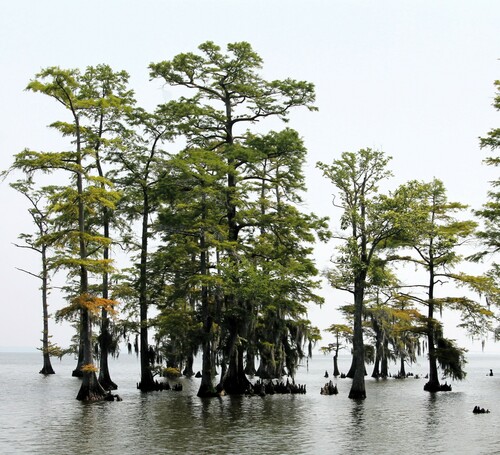
Tennessee, US
Hier kann man sehen Sumpfzypressen, Plain-Bellied Watersnake und Water Tupelo.
Führer anzeigen →

North Carolina, US
Hier kann man sehen Sumpfzypressen, Southern Cricket Frog und Green Treefrog.
Führer anzeigen →

Ontario, CA
Hier kann man sehen Rauchschwalbe und Northern Yellow Warbler.
Führer anzeigen →




%2C_Parc_de_Woluw%C3%A9%2C_Brussels_(13042792905).jpg&width=800)