
.jpg&width=800)





Prunus Miner Bee
Andrena prunorum
The Prunus Miner Bee is a small, friendly bee that loves to visit flowers. They are great pollinators and help plants grow by spreading pollen from one flower to another.
Lebensraum: Urban areas, Gardens
The Prunus Miner Bee is a medium-sized bee, covered in dense, light brown to reddish-brown fuzz on its thorax and a black abdomen. It has prominent yellow-orange hairs on its hind legs for carrying pollen, and a slightly iridescent sheen on its wings distinguishing it from common house flies.
Kategorie
InsektenSeltenheit
Common
Gefahr
1/5 · Sehr gering
Snaps
Mach den ersten Snap!
Did you know Prunus Miner Bees don't make honey like honeybees do?
Look closely for their sparkly, golden fuzz on their hind legs!
They are called "miner bees" because they dig their own tunnels!
Wow, these amazing bees build tiny apartment-like homes underground for their babies!
Prunus Miner Bee can dig intricate underground tunnels because of its strong front legs that help them create safe nurseries for their young.
Prunus Miner Bee has special fuzzy hairs called scopa on its hind legs that help them collect and transport large amounts of pollen.
Prunus Miner Bee can efficiently pollinate early-blooming fruit trees because of its activity during the precise flowering window.
Prunus Miner Bee has a very calm temperament that helps them safely visit flowers without being aggressive, rarely stinging.
This bee sips nectar for energy and collects pollen to feed its growing babies underground.
Altersunterschiede: Larvae consume pollen provisions left by the mother, while adult bees feed on nectar and pollen.
Prunus domestica
Vital for fruit production of this tree.
Prunus avium
Helps fertilize flowers of wild cherry.
Nomada succincta
Lays eggs in the nests of Prunus Miner Bees.
%2C_Parc_de_Woluw%C3%A9%2C_Brussels_(13042792905).jpg&width=800)
Parus major
Birds may prey on adult bees in flight.
Pelzig beschreibt Tiere, die eine dichte Schicht aus weichen Haaren oder Fell besitzen.
Soziale Tiere leben in organisierten Gruppen und kooperieren, um ihr Überleben zu sichern, beispielsweise bei der Nahrungssuche, Verteidigung und Aufzucht der Jungen.
Beschreibt Pflanzen, die für eine Vielzahl von bestäubenden Organismen besonders attraktiv und nützlich sind.
Dieses Merkmal kennzeichnet Lebewesen, deren Ernährung vollständig oder hauptsächlich aus pflanzlichem Material besteht.

Beschreibt eine Art, deren Anwesenheit und Rolle einen unverhältnismäßig großen Einfluss auf ihre Umwelt haben.

Tagaktive Tiere sind hauptsächlich bei Tageslicht aktiv und ruhen oder schlafen in der Regel nachts.

Dieses Lebensraummerkmal weist auf Arten hin, die in städtischen und vorstädtischen Umgebungen mit Menschen zusammenleben können und von Menschen geschaffene Strukturen sowie Grünflächen nutzen.

Beschreibt Organismen, die Pollen übertragen und so die Befruchtung und Fortpflanzung von Pflanzen ermöglichen.
Noch keine Alternativnamen vorhanden.
Gefahr
1/5 · Sehr gering
These bees are friendly, but it's best to watch them from a distance.
12-18 mm
8-12 mm
20-40 Tage
20 km/h
This bee sips nectar for energy and collects pollen to feed its growing babies underground.
Urban areas, Gardens
Foraging
6
Zoome hinein, um Cluster aufzulösen und zu sehen, wo dieses Objekt fotografiert wurde.
Neueste Snaps erscheinen hier, wenn neue Beobachtungen hinzukommen.
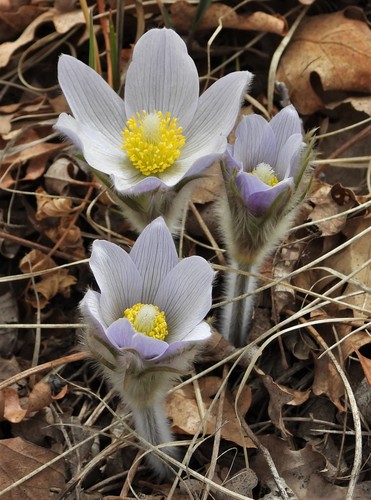
South Dakota, US
Hier kann man sehen Prairie Pasqueflower und Common Buckthorn.
Führer anzeigen →

Washington, US
Hier kann man sehen California Bumble Bee und Yellow-Faced Bumble Bee.
Führer anzeigen →

British Columbia, CA
Hier kann man sehen Vine Maple, Orange Honeysuckle und Licorice Fern.
Führer anzeigen →















