






Red-Banded Hairstreak
calycopis cecrops
The Red-Banded Hairstreak is a beautiful butterfly with striking red stripes on its wings. It loves to flutter around flowers, sipping sweet nectar during sunny days!
Lebensraum: Gardens, meadows, and open woodlands
The Red-Banded Hairstreak is a small butterfly with dark, often brownish-gray upperwings and a striking dark gray underside. Its hindwings feature a vibrant reddish-orange band and delicate, hair-like tails that help distinguish it from other butterflies.
Kategorie
InsektenSeltenheit
Common
Gefahr
0/5 · Keine bekannte Gefahr
Snaps
Mach den ersten Snap!
Adults sip nectar using a long, straw-like tongue called a proboscis!
Its caterpillars wear tiny "head-caps" that they shed and sometimes eat!
Sometimes these tiny butterflies will perch upside down to hide from birds.
The red band on its wings warns some predators that it might taste bad.
Red-Banded Hairstreak has dull undersides with intricate patterns that help them blend seamlessly into their surroundings when resting.
Red-Banded Hairstreak can fly with quick, erratic movements that make it incredibly hard for predators to catch them.
Adults drink flower nectar, while caterpillars munch on specific plant leaves.
Altersunterschiede: Larvae eat plant leaves, while adults drink nectar from flowers.
Rhus copallina
Caterpillars feed on its leaves for growth and development.
Cyanocitta cristata
A common bird predator that preys on butterflies.

Asclepias syriaca
Adults visit flowers to drink nectar, aiding in pollination.
Soziale Tiere leben in organisierten Gruppen und kooperieren, um ihr Überleben zu sichern, beispielsweise bei der Nahrungssuche, Verteidigung und Aufzucht der Jungen.
Baumbewohnende Tiere leben hauptsächlich in Bäumen und nutzen diese als Unterschlupf, Nahrungsquelle und zum Schutz vor Raubtieren.
Farbenfroh beschreibt Organismen oder Objekte, die eine große Vielfalt an leuchtenden und deutlich erkennbaren Farben aufweisen.
Tagaktive Tiere sind hauptsächlich bei Tageslicht aktiv und ruhen oder schlafen in der Regel nachts.

Beschreibt Organismen, die Pollen übertragen und so die Befruchtung und Fortpflanzung von Pflanzen ermöglichen.
Gefahr
0/5 · Keine bekannte Gefahr
Noch keine besonderen Sicherheitshinweise.
25-38 mm
10-15 mm
7-14 Tage
10-15 km/h
Adults drink flower nectar, while caterpillars munch on specific plant leaves.
Gardens, meadows, and open woodlands
Foraging
6
Zoome hinein, um Cluster aufzulösen und zu sehen, wo dieses Objekt fotografiert wurde.
Neueste Snaps erscheinen hier, wenn neue Beobachtungen hinzukommen.
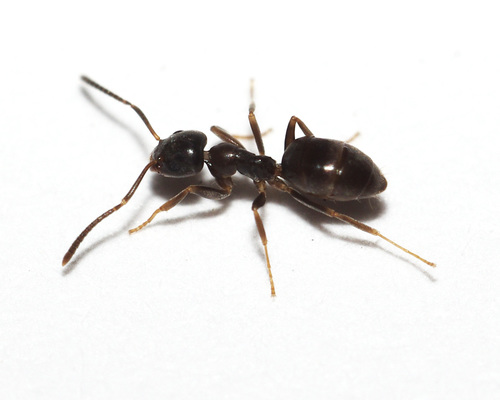
Virginia, US
Hier kann man sehen Duftende Hausameise und Willow Leaf Beetle.
Führer anzeigen →

Connecticut, US
Hier kann man sehen Monarch, Common Milkweed und Common Blue Violet.
Führer anzeigen →
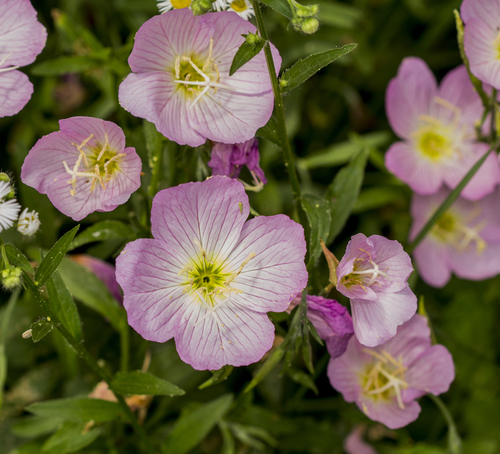
Virginia, US
Hier kann man sehen Pinkladies, Hickories und Japanese Aucuba.
Führer anzeigen →

















