






Red-Seeded Dandelion
taraxacum erythrospermum
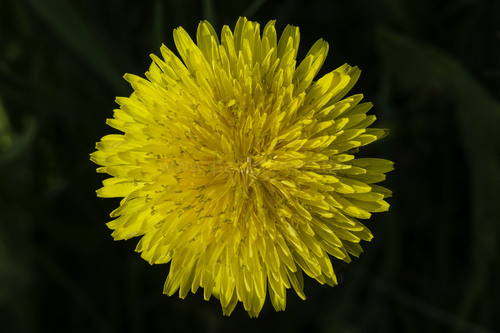
The Red-Seeded Dandelion is a cheerful flower that loves to grow in sunny places! Its bright yellow petals turn into fluffy white seeds that float away in the wind.
Lebensraum: You can find Red-Seeded Dandelions in gardens, parks, and fields.
The Red-Seeded Dandelion is a small plant with deeply lobed, often reddish-tinged leaves in a basal rosette. Its bright yellow flower heads resemble common dandelions but are notable for their brick-red or reddish-brown seeds, distinguishing them visually.
Kategorie
PflanzenSeltenheit
Common
Gefahr
0/5 · Keine bekannte Gefahr
Snaps
Mach den ersten Snap!
Did you know dandelion flowers follow the sun's path across the sky each day?
Its bright red seeds look like tiny jewels ready for an amazing journey!
Its flowers open in the morning and close at night, like a tiny plant alarm clock!
The milky sap from its stem can be used to remove warts – it's a natural remedy!
Red-Seeded Dandelion has feathery parachutes on its seeds that help it fly far and wide on the wind, spreading its offspring.
It has a deep, strong taproot that helps it find water and nutrients far underground, surviving dry spells and tough soils.
Red-Seeded Dandelion can make perfect copies of itself without needing pollen from another plant, ensuring it can always reproduce.
Apis mellifera
collects nectar and pollen
Bombus impatiens
gathers pollen and nectar
.JPG&width=800)
Sylvilagus floridanus
grazes on its tender leaves
Farbenfroh beschreibt Organismen oder Objekte, die eine große Vielfalt an leuchtenden und deutlich erkennbaren Farben aufweisen.
Grasland-Lebensräume sind terrestrische Biome, die von Gräsern und krautigen Pflanzen dominiert werden und einer Vielzahl von Weidetieren als Lebensraum dienen.
Dieses Merkmal kennzeichnet Lebewesen, deren Ernährung vollständig oder hauptsächlich aus pflanzlichem Material besteht.
Beschreibt Organismen, die totes organisches Material abbauen und Nährstoffe in das Ökosystem zurückführen.

Beschreibt Organismen, die Pollen übertragen und so die Befruchtung und Fortpflanzung von Pflanzen ermöglichen.
Gefahr
0/5 · Keine bekannte Gefahr
Always wash hands after touching plants!
5-30 cm
10-20 cm
2-3 cm
Spring to fall
Ja
Keine
Mehrjährig
Insekten
Zoome hinein, um Cluster aufzulösen und zu sehen, wo dieses Objekt fotografiert wurde.
Neueste Snaps erscheinen hier, wenn neue Beobachtungen hinzukommen.









_(12743506864).jpg&width=800)








