






rhododendrons and azaleas
Rhododendron
Rhododendrons and azaleas are beautiful flowering shrubs that come in many colors like pink, purple, and white. They bloom in spring and are loved for their big, showy flowers that attract butterflies and bees.
Lebensraum: Forests
The rhododendrons and azaleas display striking clusters of bell- or trumpet-shaped flowers, often in vibrant pinks, purples, reds, whites, and yellows. Their glossy, oval leaves can be evergreen or deciduous, distinguishing varieties. They form dense shrubs or small trees, creating a lush, colorful spectacle.
Kategorie
PflanzenSeltenheit
Common
Gefahr
2/5 · Gering
Snaps
Mach den ersten Snap!
One rhododendron species can even grow on other plants, living high in the canopy!
Some rhododendrons can grow over 100 feet tall, like giant flowering trees!
The national flower of Nepal is a type of rhododendron, showing its global importance.
Their nectar can be toxic to humans, sometimes called 'mad honey'!
Rhododendrons can roll their leaves tightly in cold weather to protect against freezing and water loss.
Rhododendrons produce grayanotoxins in their leaves, nectar, and pollen to deter hungry herbivores.
Rhododendrons have special fungi in their roots (mycorrhizae) that help them absorb nutrients from poor soil.
Apis mellifera
Collects nectar and pollen from vibrant blooms.
Odocoileus virginianus
Deer browse leaves and buds, especially in winter.
Phytophthora ramorum
Causes stem and leaf blight in infected plants.
Blütenpflanzen sind alle Pflanzen, die als Teil ihres Fortpflanzungszyklus Blüten bilden.
Frühlingsblüher bilden ihre Blüten im Frühjahr und kündigen oft das Ende des Winters und den Beginn neuen Wachstums an.
Ein Strauch ist eine verholzende Pflanze, die kleiner als ein Baum ist und typischerweise mehrere Stämme hat, die sich ab oder nahe dem Boden verzweigen.
Duftende Blüten verströmen ein angenehmes Aroma, oft um Bestäuber anzulocken oder zur Abwehr.

Immergrüne Pflanzen behalten ihr Laub das ganze Jahr über und werfen nie alle Blätter auf einmal ab.

Beschreibt Pflanzen, die für eine Vielzahl von bestäubenden Organismen besonders attraktiv und nützlich sind.

Farbenfroh beschreibt Organismen oder Objekte, die eine große Vielfalt an leuchtenden und deutlich erkennbaren Farben aufweisen.

Dieses Merkmal kennzeichnet Organismen mit einer außergewöhnlich langen Lebensspanne im Vergleich zu anderen ihrer Art.

Waldlebensräume sind terrestrische Lebensräume, die von dichtem Baumbestand dominiert werden und eine große Vielfalt an Pflanzen- und Tierarten beherbergen.
Noch keine Alternativnamen vorhanden.
Gefahr
2/5 · Gering
Do not eat any part of the rhododendron or azalea, as they can be harmful.
10-3000 cm
20-500 cm
2-15 cm
Spring_to_early_summer
Nein
Hoch
Mehrjährig
Insekten
Zoome hinein, um Cluster aufzulösen und zu sehen, wo dieses Objekt fotografiert wurde.
Neueste Snaps erscheinen hier, wenn neue Beobachtungen hinzukommen.
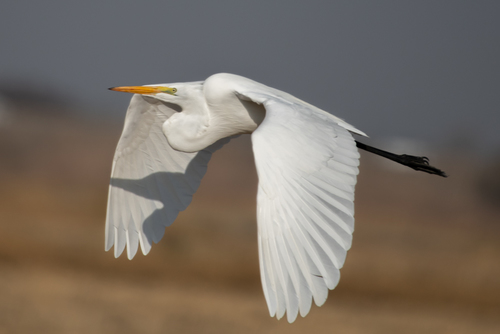
New Jersey, US
Hier kann man sehen Great Egret, Weymouth-Kiefer und Haircap Moss.
Führer anzeigen →

Massachusetts, US
Hier kann man sehen Grey Cross Spider, Common Milkweed und Rosen.
Führer anzeigen →

Pennsylvania, US
Hier kann man sehen Wanderdrossel und Kentucky Yellowwood.
Führer anzeigen →













