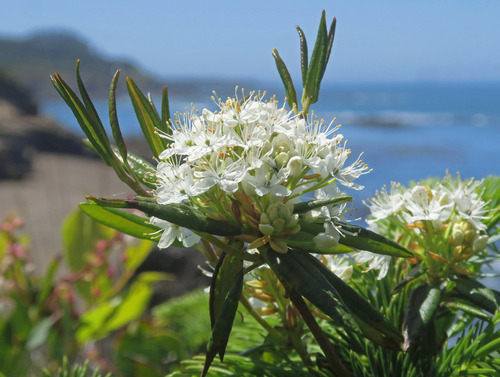
Ribbed Bog Moss
aulacomnium palustre
Ribbed Bog Moss is a soft green plant that loves to grow in wet, boggy areas. It helps keep the soil moist and provides a cozy home for tiny creatures!
Lebensraum: Wetlands, bogs, and marshy areas.
The Ribbed Bog Moss is a vibrant green to yellowish-brown moss, often forming dense cushions or mats. Its distinguishing feature is its ribbed stems and leaves, which have visible pleats, giving it a corrugated appearance unlike many smoother mosses.
Kategorie
PflanzenSeltenheit
Common
Gefahr
0/5 · Keine bekannte Gefahr
Snaps
Mach den ersten Snap!
It reproduces using super tiny spores, like invisible dust, carried by the wind!
Ribbed Bog Moss helps clean wetland water by filtering out tiny particles. Wow!
Some mosses, like this one, can dry out completely and then come back to life when wet!
This moss doesn't have true roots, it uses tiny threads to anchor itself!
Ribbed Bog Moss can absorb huge amounts of water, up to 20 times its dry weight, helping it thrive in soggy, boggy environments.
This moss forms dense, water-retentive mats that help create and stabilize peat bogs, providing a unique habitat for many creatures.
Its sturdy, ribbed leaves help it resist damage from heavy rains or strong winds, allowing it to grow successfully in exposed wetlands.
Sphagnum fallax
Often grows alongside, forming the base of bog ecosystems.
Rana temporaria
Provides moist hiding places for amphibians and invertebrates.
Oxycoccus palustris
Cranberries thrive in the acidic, waterlogged conditions this moss creates.
Farbenfroh beschreibt Organismen oder Objekte, die eine große Vielfalt an leuchtenden und deutlich erkennbaren Farben aufweisen.
Dieses Merkmal kennzeichnet Lebewesen, deren Ernährung vollständig oder hauptsächlich aus pflanzlichem Material besteht.
Waldlebensräume sind terrestrische Lebensräume, die von dichtem Baumbestand dominiert werden und eine große Vielfalt an Pflanzen- und Tierarten beherbergen.
Beschreibt Organismen, die totes organisches Material abbauen und Nährstoffe in das Ökosystem zurückführen.

Aquatische Lebensräume umfassen Umgebungen, in denen Organismen überwiegend im Wasser leben, darunter Ozeane, Flüsse, Seen und Feuchtgebiete.
Gefahr
0/5 · Keine bekannte Gefahr
Noch keine besonderen Sicherheitshinweise.
5-15 cm
Nein
Keine
Mehrjährig
Wetlands, bogs, and marshy areas.
Zoome hinein, um Cluster aufzulösen und zu sehen, wo dieses Objekt fotografiert wurde.
Neueste Snaps erscheinen hier, wenn neue Beobachtungen hinzukommen.