rough cocklebur
Xanthium strumarium
The rough cocklebur is a plant with big, spiky seed pods. It grows in sunny places and can be found in fields and along roadsides. Its unique look makes it easy to spot!
Lebensraum: Fields and roadsides
The rough cocklebur is a sturdy plant with thick, reddish-green stems and broad, heart-shaped leaves that feel rough to the touch. Its most striking feature is the numerous oval-shaped burrs, covered in stiff, hooked spines, which mature from green to brown.
Kategorie
PflanzenSeltenheit
Common
Gefahr
2/5 · Gering
Snaps
Mach den ersten Snap!
It is one of the top causes of hay fever due to its abundant wind-blown pollen!
Its buried seeds can survive for over 10 years, just waiting for a chance to grow!
The cocklebur's amazing hooked burrs inspired the invention of super-sticky Velcro!
This plant is often one of the first to grow in disturbed soil, like a pioneer!
Rough cocklebur has tough, spiky burrs that cling to fur or clothes, helping its seeds travel far and wide to new growing spots.
Rough cocklebur can grow in poor soils and disturbed areas, quickly establishing itself where other plants struggle.
The rough cocklebur produces toxic compounds, especially in its young plants, to deter hungry animals from eating it.

Bos taurus
Young seedlings are highly toxic to grazing livestock.
Odocoileus virginianus
Deer help spread seeds by carrying burrs on their fur.
Phytomyza xanthii
Its larvae feed by tunneling inside the leaves of the plant.
Blütenpflanzen sind alle Pflanzen, die als Teil ihres Fortpflanzungszyklus Blüten bilden.
Beschreibt Pflanzen, die für eine Vielzahl von bestäubenden Organismen besonders attraktiv und nützlich sind.
Essbare Pflanzen sind diejenigen Pflanzenteile, die für den menschlichen Verzehr als unbedenklich gelten.
Grasland-Lebensräume sind terrestrische Biome, die von Gräsern und krautigen Pflanzen dominiert werden und einer Vielzahl von Weidetieren als Lebensraum dienen.

Schnellwachsende Pflanzen weisen eine beschleunigte Wachstumsrate auf und nehmen innerhalb kurzer Zeit schnell an Größe und Biomasse zu.

Besitzt scharfe, spitze Vorsprünge oder Stacheln auf dem Körper oder der Oberfläche.

Invasive Arten sind gebietsfremde Organismen, die der Umwelt, der Wirtschaft oder der menschlichen Gesundheit schaden.
Noch keine Alternativnamen vorhanden.
Gefahr
2/5 · Gering
Be careful not to touch the spiky seed pods, as they can be sharp.
30-150 cm
30-90 cm
0.5-1 cm
Late summer to fall
Nein
Hoch
Einjährig
Wind
Zoome hinein, um Cluster aufzulösen und zu sehen, wo dieses Objekt fotografiert wurde.
Neueste Snaps erscheinen hier, wenn neue Beobachtungen hinzukommen.

New York, US
Hier kann man sehen Ringschnabelmöwe, Kanadagans und Rough Cocklebur.
Führer anzeigen →

Illinois, US
Hier kann man sehen Kanadagans, Ringschnabelmöwe und Rotschulterstärling.
Führer anzeigen →
Michigan, US
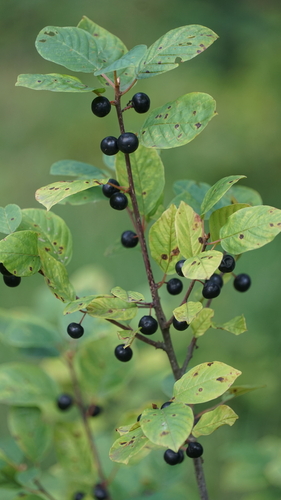
Hier kann man sehen Alder Buckthorn, Bulblet Fern und Western Poison Ivy.
Führer anzeigen →