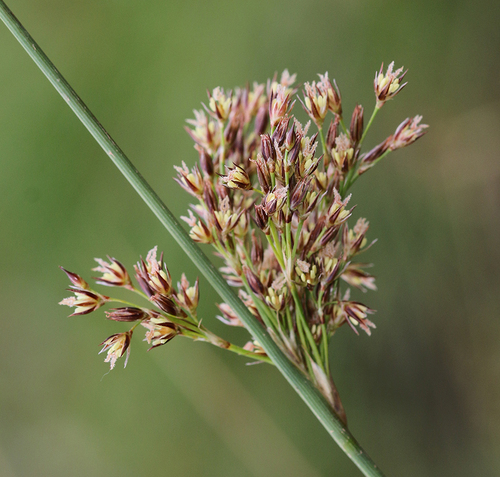
Rushes
juncus
Rushes are tall, grass-like plants that love to grow in wet places. They provide a cozy home for many small animals and help keep the water clean!
Lebensraum: Wetlands, marshes, and along riverbanks.
The Rushes has long, slender, upright stems that are typically round and solid, unlike hollow grasses. Its leaves are often reduced or appear as sheaths at the stem's base. Tiny, green or brown, inconspicuous flowers cluster near the stem's tip, blending into its grassy appearance.
Kategorie
PflanzenSeltenheit
Common
Gefahr
0/5 · Keine bekannte Gefahr
Snaps
Mach den ersten Snap!
Ancient people used the pithy center of rush stems as wicks for simple candles and oil lamps!
Rushes are "monocots," like grasses and lilies, but belong to their own special plant family called Juncaceae.
Rushes are wind-pollinated, meaning they don't need bright flowers or sweet nectar to attract buzzing insects.
The strong, solid stems of rushes were traditionally woven into sturdy mats, baskets, and even chair seats!
Rushes can absorb excess nutrients and pollutants from wet soil, helping to clean the water around them.
Rushes have tough, spreading root systems that hold soil together, stopping it from washing away during floods.
Rushes can thrive in waterlogged soil with low oxygen, where most other plants would struggle to grow.
Ondatra zibethicus
eats the roots and stems of rushes
Anas platyrhynchos
nests and hides within dense rush clumps
Branta canadensis
grazes on the tender shoots of rushes
Aphis juncus
sucks sap from rush stems and leaves
Soziale Tiere leben in organisierten Gruppen und kooperieren, um ihr Überleben zu sichern, beispielsweise bei der Nahrungssuche, Verteidigung und Aufzucht der Jungen.
Dieses Merkmal kennzeichnet Lebewesen, deren Ernährung vollständig oder hauptsächlich aus pflanzlichem Material besteht.
Beschreibt Organismen, die totes organisches Material abbauen und Nährstoffe in das Ökosystem zurückführen.
Aquatische Lebensräume umfassen Umgebungen, in denen Organismen überwiegend im Wasser leben, darunter Ozeane, Flüsse, Seen und Feuchtgebiete.

Der Status 'Stark gefährdet' bedeutet, dass eine Art in naher Zukunft einem sehr hohen Risiko ausgesetzt ist, in freier Wildbahn auszusterben.
Gefahr
0/5 · Keine bekannte Gefahr
Noch keine besonderen Sicherheitshinweise.
10-150 cm
10-50 cm
Late Spring - Summer
Nein
Keine
Mehrjährig
Wind
Wetlands, marshes, and along riverbanks.
Zoome hinein, um Cluster aufzulösen und zu sehen, wo dieses Objekt fotografiert wurde.
Neueste Snaps erscheinen hier, wenn neue Beobachtungen hinzukommen.