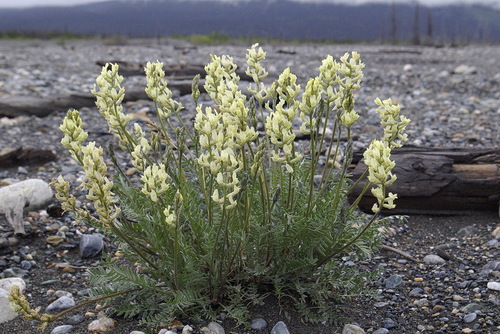
sagebrush buttercup
Ranunculus glaberrimus
The sagebrush buttercup is a bright yellow flower that loves to grow in sunny places. Its cheerful petals can make anyone smile and are often found in meadows and grasslands.
Lebensraum: Grasslands
The sagebrush buttercup has bright, waxy, lemon-yellow petals, usually 5 to 10 per flower, that are famously glossy. It grows on short stems from basal leaves, often appearing as one of the first splashes of color in spring.
Kategorie
PflanzenSeltenheit
Common
Gefahr
1/5 · Sehr gering
Snaps
Mach den ersten Snap!
Chewing this plant releases a bitter juice, making animals spit it out quickly!
It often blooms so early, it pushes its way through melting snow!
Its shiny, waxy petals are like tiny mirrors, reflecting sunlight to warm the flower.
The 'buttercup' name comes from the way its bright yellow color matches fresh butter!
Sagebrush buttercup can flower extremely early, often pushing through melting snow to be one of the first spring blooms.
Its glossy, cup-shaped petals reflect sunlight, helping to warm the flower and attract early-season pollinators.
Sagebrush buttercup has a bitter, mildly toxic sap that deters most hungry herbivores from taking a bite.
Apis mellifera
collects nectar and pollen from early blooms
Bombus occidentalis
one of the earliest native bee visitors
Andrena placida
a native bee species specialized in early spring flowers
Blütenpflanzen sind alle Pflanzen, die als Teil ihres Fortpflanzungszyklus Blüten bilden.
Frühlingsblüher bilden ihre Blüten im Frühjahr und kündigen oft das Ende des Winters und den Beginn neuen Wachstums an.
Beschreibt Pflanzen, die für eine Vielzahl von bestäubenden Organismen besonders attraktiv und nützlich sind.
Essbare Pflanzen sind diejenigen Pflanzenteile, die für den menschlichen Verzehr als unbedenklich gelten.

Farbenfroh beschreibt Organismen oder Objekte, die eine große Vielfalt an leuchtenden und deutlich erkennbaren Farben aufweisen.

Grasland-Lebensräume sind terrestrische Biome, die von Gräsern und krautigen Pflanzen dominiert werden und einer Vielzahl von Weidetieren als Lebensraum dienen.
Noch keine Alternativnamen vorhanden.
Gefahr
1/5 · Sehr gering
Don't eat any flowers you find, even if they look pretty!
5-20 cm
10-30 cm
1-2.5 cm
Early spring
Nein
Leicht
Mehrjährig
Insekten
Zoome hinein, um Cluster aufzulösen und zu sehen, wo dieses Objekt fotografiert wurde.
Neueste Snaps erscheinen hier, wenn neue Beobachtungen hinzukommen.