






Scarabs
Scarabaeidae
Scarabs are shiny beetles that are often found in gardens and fields. They are known for their unique shapes and colors, and they play an important role in nature by helping to clean up waste.
Lebensraum: Grasslands
The Scarabs has a distinctive stout, often rounded body, and can display a wide array of colors, from iridescent greens and blues to dull browns and blacks. They are characterized by their unique lamellate antennae, which can fan out, differentiating them from other beetle families.
Kategorie
InsektenSeltenheit
Common
Gefahr
1/5 · Sehr gering
Snaps
Mach den ersten Snap!
A few types of scarab beetles can glow in the dark, lighting up their forest homes!
Some scarab larvae live underground for years before becoming beetles!
Some scarabs can make loud squeaking sounds by rubbing body parts together!
The largest scarab beetle can be bigger than a human hand!
Scarabs can push and pull objects many times their own weight because of their powerful legs, which helps them dig tunnels and roll dung.
Scarabs has specialized lamellate antennae that helps them detect faint chemical signals, useful for finding mates or food.
Scarabs has an extremely hard exoskeleton that helps them protect their soft bodies from predators and impacts.
Scarabs mostly eat decaying plants, dung, or sometimes fresh leaves and flowers.
Altersunterschiede: Larvae often feed on decaying wood or roots, while adults consume dung, fungi, or plant matter.
Turdus migratorius
Robins frequently forage for scarab larvae and adults.
Quercus robur
Some scarab larvae consume the roots and decaying wood of oak trees.
Bos taurus
Many dung beetles rely on cattle dung for food and for housing their larvae.
Tiphia vernalis
Female wasps lay eggs on scarab grubs, which their larvae then consume.
Aasfresser ernähren sich von toter organischer Substanz und helfen dabei, Kadaver und andere Abfälle im Ökosystem abzubauen.
Farbenfroh beschreibt Organismen oder Objekte, die eine große Vielfalt an leuchtenden und deutlich erkennbaren Farben aufweisen.
Grasland-Lebensräume sind terrestrische Biome, die von Gräsern und krautigen Pflanzen dominiert werden und einer Vielzahl von Weidetieren als Lebensraum dienen.
Dieses Merkmal kennzeichnet Lebewesen, deren Ernährung vollständig oder hauptsächlich aus pflanzlichem Material besteht.

Beschreibt Organismen, die totes organisches Material abbauen und Nährstoffe in das Ökosystem zurückführen.

Beschreibt eine Art, deren Anwesenheit und Rolle einen unverhältnismäßig großen Einfluss auf ihre Umwelt haben.

Tagaktive Tiere sind hauptsächlich bei Tageslicht aktiv und ruhen oder schlafen in der Regel nachts.

Beschreibt Organismen, die Pollen übertragen und so die Befruchtung und Fortpflanzung von Pflanzen ermöglichen.
Noch keine Alternativnamen vorhanden.
Gefahr
1/5 · Sehr gering
Scarabs are harmless and fun to watch, but it's best to leave them alone.
5-300 mm
2-170 mm
365-1095 Tage
15 km/h
Scarabs mostly eat decaying plants, dung, or sometimes fresh leaves and flowers.
Grasslands
Foraging
6
Zoome hinein, um Cluster aufzulösen und zu sehen, wo dieses Objekt fotografiert wurde.
Neueste Snaps erscheinen hier, wenn neue Beobachtungen hinzukommen.
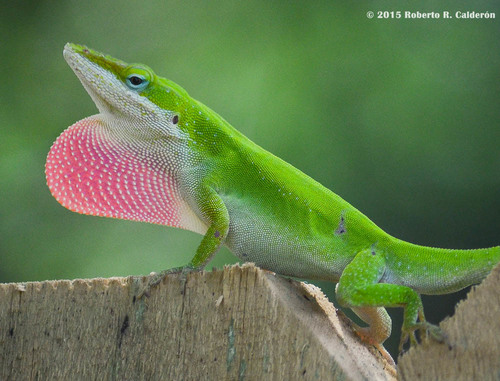
Florida, US
Hier kann man sehen Anolis, Common Gallinule und White Beggarticks.
Führer anzeigen →
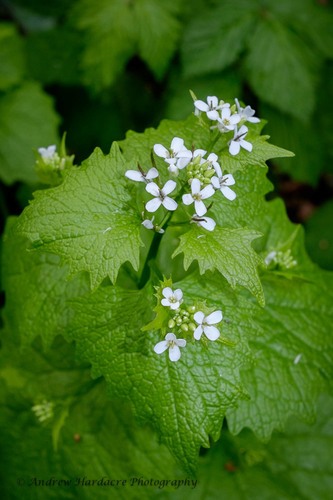
Virginia, US
Hier kann man sehen Garlic Mustard, Veilchen und Wineberry.
Führer anzeigen →

British Columbia, CA
Hier kann man sehen Douglasie, Silverleaf Phacelia und Rocky Mountain Maple.
Führer anzeigen →




_(7437712788).jpg&width=800)


.jpg&width=800)




