Semnopithecus entellus
Semnopithecus entellus
The Hanuman langur is a playful monkey with long arms and a beautiful gray coat. They love to swing through trees and are often seen in groups, making them fun to watch!
Lebensraum: Forests
The Semnopithecus entellus has a light gray to brownish-gray fur coat, a distinctive dark black face, and prominent brows. Its long, slender tail is often held in a graceful arch, typically longer than its body.
Kategorie
SäugetiereSeltenheit
Common
Gefahr
2/5 · Gering
Snaps
Mach den ersten Snap!
Hanuman langurs are considered sacred animals in some parts of India!
These monkeys often share babysitting duties, called 'alloparenting,' within their groups!
They spend much of their day resting and digesting their leafy meals.
Young langurs are born with dark brown fur that lightens to gray as they grow.
Semnopithecus entellus has a multi-chambered stomach that helps them digest tough leaves, allowing them to eat plants others can't.
Semnopithecus entellus can leap impressive distances between branches because their strong leg muscles and long tail help them balance mid-air.
Semnopithecus entellus can use varied alarm calls to warn others about different predators, helping the whole group stay safe.
Mostly eats leaves, but also enjoys fruits, flowers, buds, and even some insects.
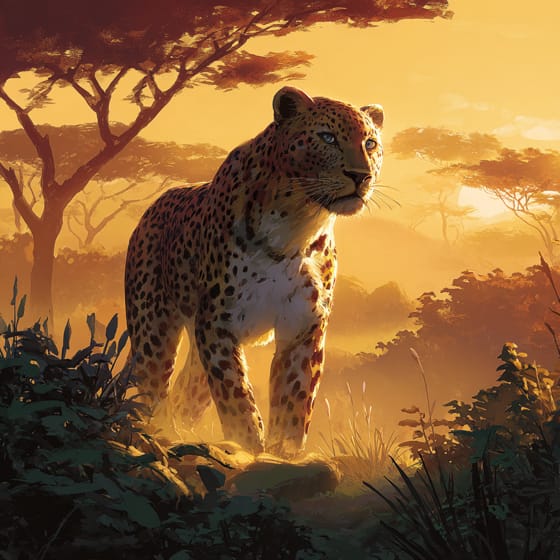
Panthera pardus
A major predator, leopards ambush langurs in their forest habitats.
Canis aureus
Jackals prey on smaller or young langurs, especially on the ground.
Ficus religiosa
Langurs frequently forage on the leaves and fruits of this sacred fig tree.
Acacia nilotica
Provides leaves, pods, and flowers, which are important parts of their diet.
Pelzig beschreibt Tiere, die eine dichte Schicht aus weichen Haaren oder Fell besitzen.
Soziale Tiere leben in organisierten Gruppen und kooperieren, um ihr Überleben zu sichern, beispielsweise bei der Nahrungssuche, Verteidigung und Aufzucht der Jungen.
Baumbewohnende Tiere leben hauptsächlich in Bäumen und nutzen diese als Unterschlupf, Nahrungsquelle und zum Schutz vor Raubtieren.
Dieses Merkmal kennzeichnet Lebewesen, deren Ernährung vollständig oder hauptsächlich aus pflanzlichem Material besteht.

Dieses Merkmal beschreibt Organismen, die externe Objekte manipulieren, um ein bestimmtes Ziel zu erreichen.

Waldlebensräume sind terrestrische Lebensräume, die von dichtem Baumbestand dominiert werden und eine große Vielfalt an Pflanzen- und Tierarten beherbergen.

Tagaktive Tiere sind hauptsächlich bei Tageslicht aktiv und ruhen oder schlafen in der Regel nachts.

Der Status 'Stark gefährdet' bedeutet, dass eine Art in naher Zukunft einem sehr hohen Risiko ausgesetzt ist, in freier Wildbahn auszusterben.
Gefahr
2/5 · Gering
Always watch monkeys from a distance and never try to feed them.
45-75 cm
8-20 kg
18-25 Jahre
35 km/h
Mostly eats leaves, but also enjoys fruits, flowers, buds, and even some insects.
Forests
Foraging
1
Zoome hinein, um Cluster aufzulösen und zu sehen, wo dieses Objekt fotografiert wurde.
Neueste Snaps erscheinen hier, wenn neue Beobachtungen hinzukommen.