






Siberian elm
Ulmus pumila
The Siberian elm is a strong tree that can grow tall and wide. It has beautiful green leaves that turn yellow in the fall. This tree is great for providing shade on hot days!
Lebensraum: Urban areas
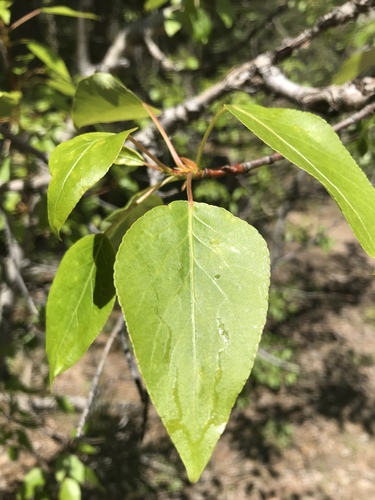
The Siberian elm is a medium-sized deciduous tree with an open, spreading crown and thin, rough, gray-brown bark. Its small, serrated, dark green leaves are distinctively asymmetrical at the base, and it produces numerous flat, round, papery seeds.
Kategorie
PflanzenSeltenheit
Common
Gefahr
1/5 · Sehr gering
Snaps
Mach den ersten Snap!
Even when branches break, this tough tree often grows back stronger!
Its wood is so strong, it's used for making sturdy furniture and tools!
This tree grows so fast, it's often used to quickly provide shade!
Tiny, round 'wafers' are actually its seeds, which flutter like confetti!
Siberian elm can survive with very little water, thanks to its deep root system that helps it find moisture.
Siberian elm produces thousands of winged seeds that can be carried far by the wind, helping it spread quickly.
Siberian elm can grow in poor soils and harsh climates, making it one of the first trees to colonize disturbed areas.
Lymantria dispar
Larvae feed voraciously on its leaves.
Sciurus carolinensis
Feeds on the abundant seeds produced by the tree.
Turdus migratorius
Often builds nests in its sturdy branches.
Odocoileus virginianus
Browses on young twigs and foliage.
Laubabwerfende Pflanzen werfen regelmäßig all ihre Blätter ab, typischerweise im Herbst oder in Trockenzeiten.
Schattenverträgliche Pflanzen sind an das Wachstum und Gedeihen in Bereichen mit wenig Licht angepasst und benötigen weniger direkte Sonneneinstrahlung.
Laubbäume sind Bedecktsamer, die sich durch flache, breite Blätter auszeichnen, welche in gemäßigten Klimazonen typischerweise jährlich abgeworfen werden.
Trockenheitstolerante Pflanzen können unter Bedingungen mit begrenzter Wasserverfügbarkeit überleben und gedeihen.

Herbstfärbung bezeichnet den jahreszeitlichen Wechsel der Blattpigmentierung, der vor allem bei Laubpflanzen leuchtende Farbtöne hervorbringt.

Nutzholz bezeichnet Holz, das für die Verwendung im Bauwesen und in der Zimmerei aufbereitet wurde.

Dieses Merkmal kennzeichnet Organismen mit einer außergewöhnlich langen Lebensspanne im Vergleich zu anderen ihrer Art.

Dieses Lebensraummerkmal weist auf Arten hin, die in städtischen und vorstädtischen Umgebungen mit Menschen zusammenleben können und von Menschen geschaffene Strukturen sowie Grünflächen nutzen.
Noch keine Alternativnamen vorhanden.
Gefahr
1/5 · Sehr gering
Be careful around trees; don't climb too high and watch for falling branches.
1000-2000 cm
800-1500 cm
0.2-0.4 cm
Frühling
Ja
Keine
Mehrjährig
Wind
Zoome hinein, um Cluster aufzulösen und zu sehen, wo dieses Objekt fotografiert wurde.
Neueste Snaps erscheinen hier, wenn neue Beobachtungen hinzukommen.
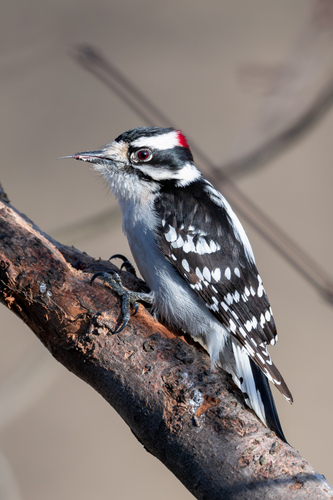
Illinois, US
Hier kann man sehen Dunsenspecht, Wanderdrossel und Amerikanische Krähe.
Führer anzeigen →

British Columbia, CA
Hier kann man sehen Yellow-Bellied Marmot, Rubber Rabbitbrush und Siberian Elm.
Führer anzeigen →
British Columbia, CA
Hier kann man sehen Black Cottonwood, Oregon Grape und Showy Milkweed.
Führer anzeigen →




.jpg&width=800)












