Silky Dogwood
cornus amomum
The Silky Dogwood is a beautiful plant with soft, silky leaves that look like they are glowing in the sun. Its branches are perfect for birds to perch on and enjoy the view!
Lebensraum: Wetlands, swamps, and along riverbanks.
The Silky Dogwood has distinctive reddish-purple stems, especially vibrant in winter, and produces clusters of small, creamy-white flowers in late spring. Its lance-shaped leaves are dark green, often turning dull reddish-purple in autumn, complementing its striking blue berries.
Kategorie
PflanzenSeltenheit
Common
Gefahr
0/5 · Keine bekannte Gefahr
Snaps
Mach den ersten Snap!
If you gently break a Silky Dogwood leaf, you might see tiny, silky threads connecting the halves!
Native Americans historically used parts of this plant for medicinal purposes, like treating fevers.
Silky Dogwood berries are a favorite snack for at least 90 different bird species!
The name "dogwood" might come from "dag," meaning skewer, for its hard wood!
Silky Dogwood can stabilize stream banks with its extensive root system, helping prevent erosion and protect delicate habitats.
This plant grows vibrant blue berries in late summer, providing a crucial food source for many bird species and small mammals.
Silky Dogwood has a special tolerance for wet soils, allowing it to thrive in boggy areas where other plants struggle.
Its bright, reddish-purple stems stand out in winter, adding a splash of color to drab landscapes and helping it get noticed.
Turdus migratorius
Eats the blue berries
Bombycilla cedrorum
Feasts on abundant fruit clusters
Odocoileus virginianus
Browses its young stems and leaves
Apis mellifera
Gathers nectar from its small flowers

Syrphus ribesii
Visits flowers for nectar and pollen
Soziale Tiere leben in organisierten Gruppen und kooperieren, um ihr Überleben zu sichern, beispielsweise bei der Nahrungssuche, Verteidigung und Aufzucht der Jungen.
Farbenfroh beschreibt Organismen oder Objekte, die eine große Vielfalt an leuchtenden und deutlich erkennbaren Farben aufweisen.
Dieses Merkmal kennzeichnet Lebewesen, deren Ernährung vollständig oder hauptsächlich aus pflanzlichem Material besteht.
Waldlebensräume sind terrestrische Lebensräume, die von dichtem Baumbestand dominiert werden und eine große Vielfalt an Pflanzen- und Tierarten beherbergen.

Beschreibt Organismen, die Pollen übertragen und so die Befruchtung und Fortpflanzung von Pflanzen ermöglichen.
Gefahr
0/5 · Keine bekannte Gefahr
Noch keine besonderen Sicherheitshinweise.
150-450 cm
150-300 cm
0.5-1 cm
Late spring to early summer
Nein
Leicht
Mehrjährig
Insekten
Zoome hinein, um Cluster aufzulösen und zu sehen, wo dieses Objekt fotografiert wurde.
Neueste Snaps erscheinen hier, wenn neue Beobachtungen hinzukommen.
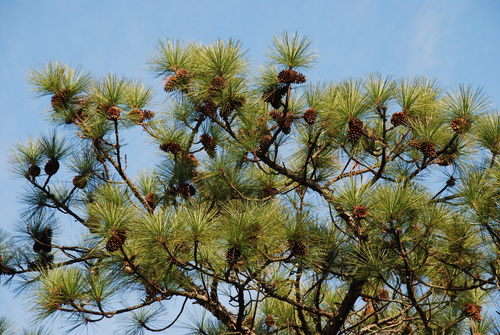
Virginia, US
Hier kann man sehen Pines, Common Milkweed und Sweetbay Magnolia.
Führer anzeigen →

Louisiana, US
Hier kann man sehen Sharp-Lobed Hepatica und Purple-Flowered Raspberry.
Führer anzeigen →
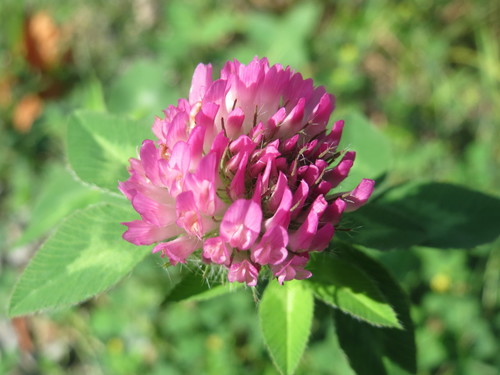
Virginia, US
Hier kann man sehen Red Clover und American Tuliptree.
Führer anzeigen →
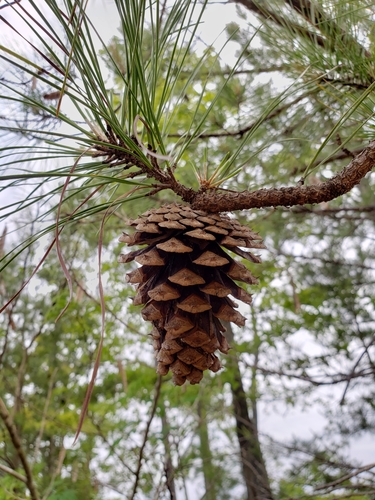
Virginia, US
Hier kann man sehen Loblolly Pine, Fox Grape und Sensitive Fern.
Führer anzeigen →